

Community celebrates mass release as families reunited following sustained intermediary negotiations
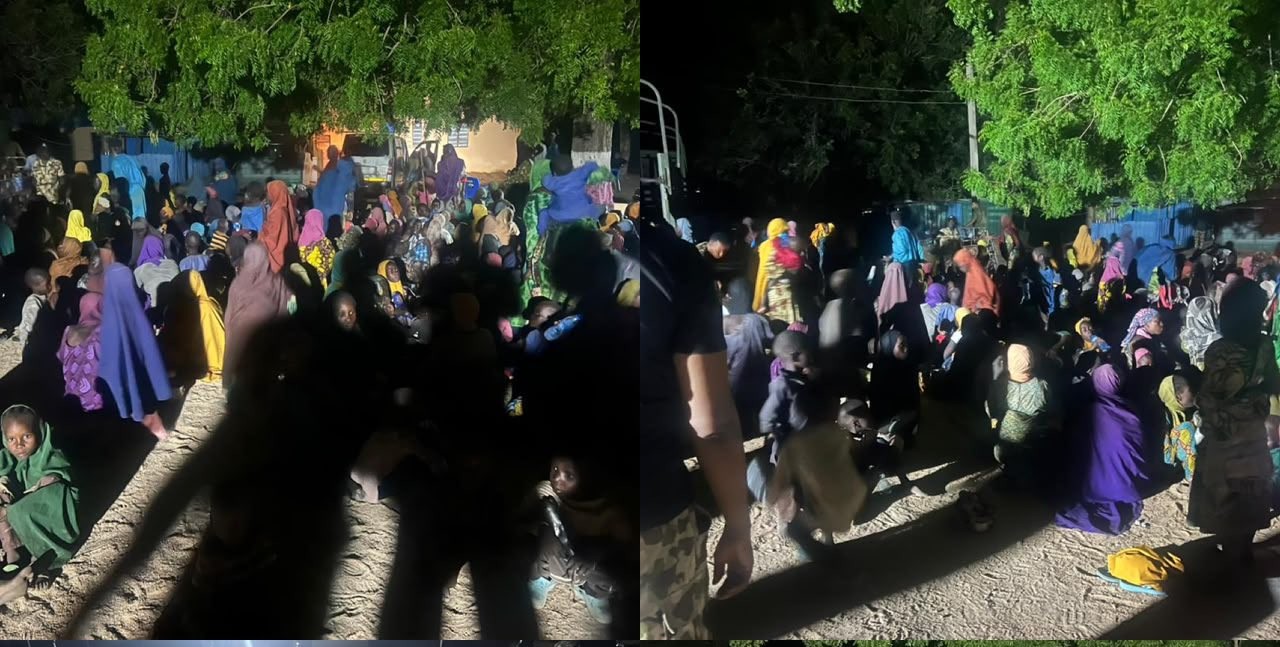
Suspected Boko Haram terrorists have freed 416 women and children abducted from Ngoshe, a community in Gwoza Local Government Area of Borno State, marking one of the largest mass releases of captives in recent times.
The victims regained their freedom on Saturday, 6 June 2026, ending approximately three months of captivity following their abduction on 4 March.
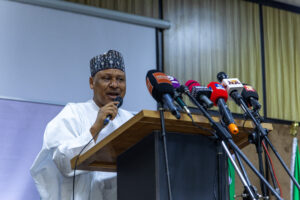
The Borno South Youth Alliance (BOSYA) confirmed the release on Sunday. Samaila Kaigama, President of BOSYA, disclosed that the captives were freed following sustained engagement and humanitarian discussions facilitated by the youth organisation.
“BOSYA has secured the release of all the Ngoshe 416 women and children. They were released on the 6th of June,” Kaigama told journalists.
“We are happy and grateful that through our efforts, our persistent cries, and long discussions, the results are now being seen.
The development brings significant relief to families and communities that had endured months of uncertainty and anguish over the fate of the abducted residents.
Senator Mohammed Ali Ndume, who represents Borno South in Nigeria’s Senate, also confirmed the release. However, neither BOSYA nor the senator disclosed the specific circumstances that led to the captives’ freedom, including whether negotiations or conditions were involved in securing their release.
Borno South Youth Alliance’s role
BOSYA played a crucial role in facilitating communication between the abductors and affected families throughout the captivity period. The organisation had been in consistent contact with media outlets and served as an intermediary between the terrorist group and the victims’ families since the abductees were first displayed by Boko Haram on 10 April 2026.
“We are happy and grateful that through our efforts, our persistent cries, and long discussions, the results are now being seen,” Kaigama said, expressing relief over the successful outcome of sustained advocacy and engagement efforts.
The intermediary approach adopted by BOSYA appears to have contributed to securing the freedom of all captives without reported casualties or violence. Community representatives involved in the negotiations said that indications of the release were received before the captives actually regained their freedom, allowing families to prepare for their reunification.
Kaigama called on the Federal Government, the Borno State Government, and relevant local government authorities to ensure proper screening and rehabilitation of the released captives. The youth leader stressed the importance of medical assessment and psychological support for victims who have endured prolonged trauma and captivity.
“The Federal Government, the Borno State Government, and the relevant local government authorities should ensure proper screening of the released captives,” Kaigama urged.
Background to the abduction

The 416 women and children were abducted during a coordinated terrorist attack on Ngoshe on 4 March 2026. During the assault, suspected Boko Haram fighters attacked a military base in the community, burning operational vehicles, dispersing security forces, killing an unspecified number of people, and abducting residents.
The attack represented a significant breach of security in the area and prompted widespread concerns about the vulnerability of communities in Gwoza Local Government Area. The prolonged captivity of the residents highlighted the challenges faced by security agencies in rescuing abductees held by terrorist groups operating in Nigeria’s north-east.
Ngoshe, located near the Mandara Mountains along Nigeria’s border with Cameroon, has remained one of the communities heavily impacted by insurgency in the North-East. Over recent years, residents have faced repeated attacks, abductions and displacement as Boko Haram and other armed groups continue operations in the region.
The mass release of the 416 captives represents a significant development in Nigeria’s ongoing struggle against terrorism and organised kidnappings. The successful freedom of all captives without reported violence is a rare positive outcome in the broader security crisis affecting north-eastern Nigeria.