


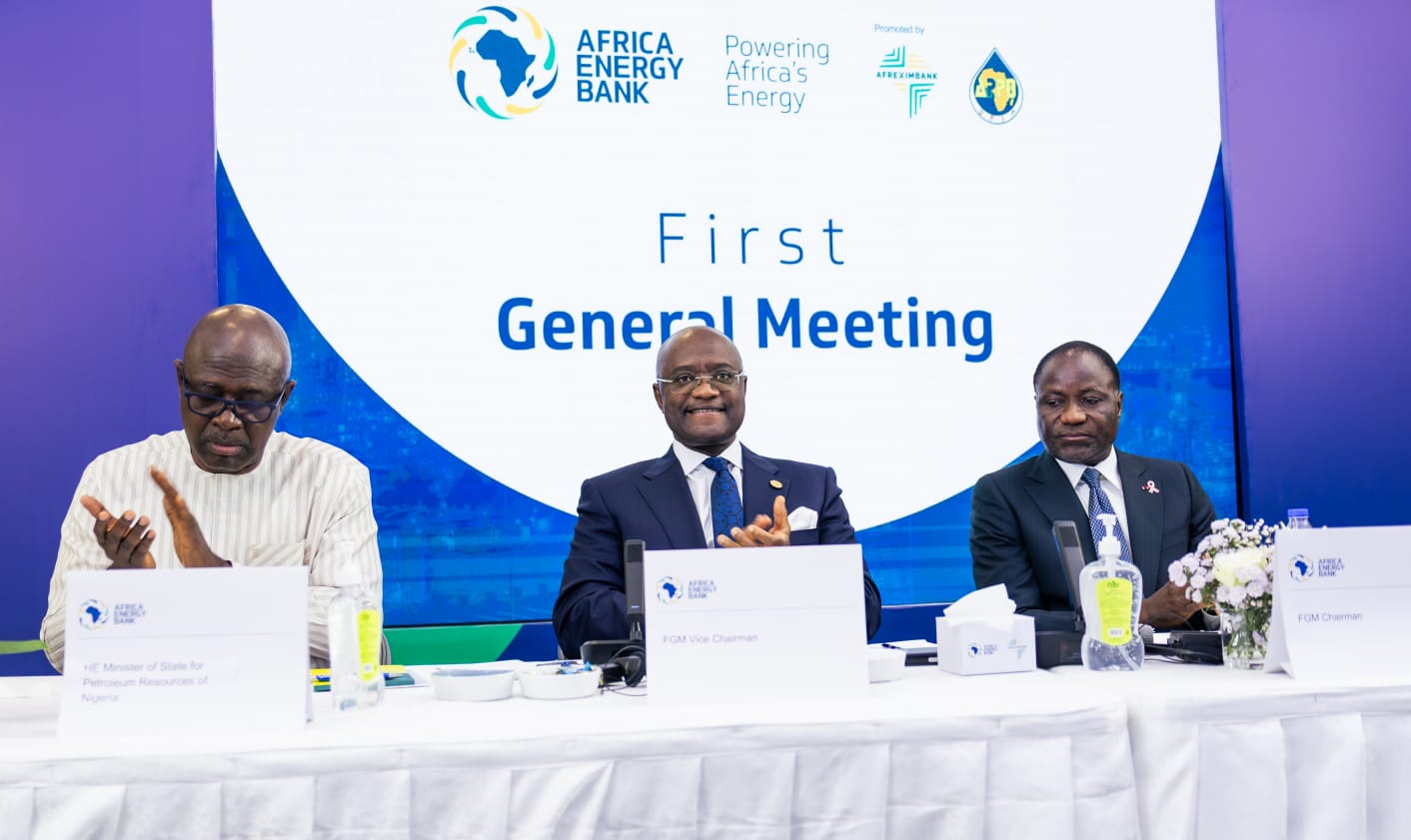
Egyptian banker Helmy Ghazi has been appointed pioneer president of the institution, which aims to address Africa’s estimated $200bn energy investment needs.
The Africa Energy Bank (AEB) has been formally established in Abuja by the African Export-Import Bank (Afreximbank) and the African Petroleum Producers’ Organisation (APPO), marking a major step towards creating an African-led institution to finance energy projects across the continent.
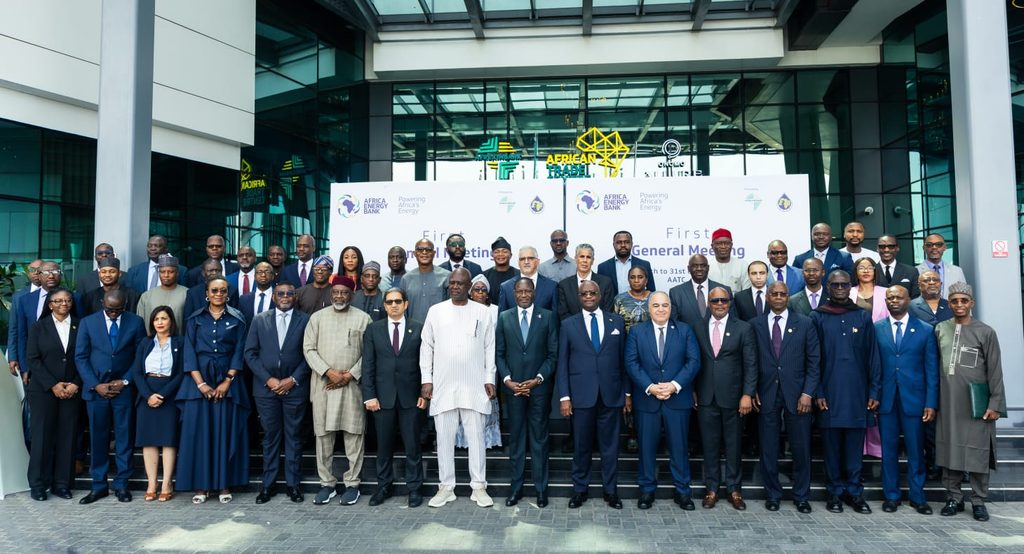
The announcement was made on Saturday, October 31, 2026, during the bank’s inaugural general meeting in Abuja, where Egyptian banker Helmy Ghazi was appointed its pioneer president and its first Board of Directors constituted.
The institution has an authorised capital of $5 billion and is expected to support projects across the energy value chain, including oil and gas exploration, production, transportation, processing, refining and distribution.
In a joint media statement announcing the development, Afreximbank and APPO said the bank’s creation “reaffirms African governments’ determination to secure their own energy future”.
The establishment comes as Africa faces an estimated $200 billion in energy investment requirements, while traditional providers of short- and long-term financing are withdrawing funding from fossil fuel projects.
Africa Energy Bank targets $200bn financing gap
The bank is being established to help address the financing gap facing African energy projects, particularly as international funding for fossil fuels becomes more difficult to secure.
Despite the shift in global financing priorities, the promoters noted that “oil and gas remain vital to the continent’s energy systems”.
The institution will therefore support projects across the energy value chain, from exploration and production to transportation, processing, refining and distribution.
According to the statement, the investments are intended to strengthen productive capacity, reduce reliance on imported petroleum products and promote intra-African trade in energy goods.
The bank’s mandate also extends to increasing African participation in the energy sector, ensuring that local institutions and investors have a greater role in developing the continent’s resources.
Its promoters said significant investment in energy generation and transmission was necessary to accelerate industrial growth and take advantage of opportunities created by emerging technologies, particularly artificial intelligence.
They also described the bank as a means of supporting a just energy transition while allowing African countries to address their energy financing needs.
Helmy Ghazi appointed Africa Energy Bank president
At the inaugural general meeting, members appointed Ghazi as the bank’s first president and approved the formation of its maiden Board of Directors.
The board will comprise representatives from the public and private sectors, as well as leading policy institutions from across the continent.
The bank will operate as an independent, supranational pan-African financial institution. To finance its activities, it will seek investments from African governments, national oil companies, financial institutions and private investors.
Its authorised capital stands at $5 billion, although the joint statement did not disclose how much of this amount has been paid in or mobilised.
The institution’s mandate includes promoting stronger African participation in the continent’s energy sector, with the promoters stating that its investments would help ensure that “Africa’s energy future is shaped by Africans”.
What the Africa Energy Bank means for Africa
The establishment of the bank reflects efforts by African governments and energy institutions to develop alternative financing arrangements for the continent’s energy industry.
For oil-producing countries, access to financing remains important for developing existing resources, expanding refining capacity and strengthening energy infrastructure. The bank is expected to provide a dedicated African institution through which such projects can seek investment.
Its success, however, will depend on its ability to attract capital, establish effective lending structures and finance viable projects across different African markets.
The joint statement did not specify when the bank would commence lending, which projects would receive its first financing or how much capital has already been raised.
While its establishment and $5 billion authorised capital provide the institutional framework, the extent to which it can close Africa’s estimated $200 billion energy investment gap will become clearer as it begins operations and mobilises funding.