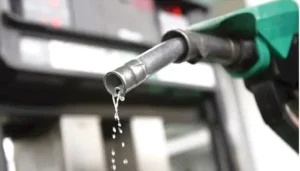


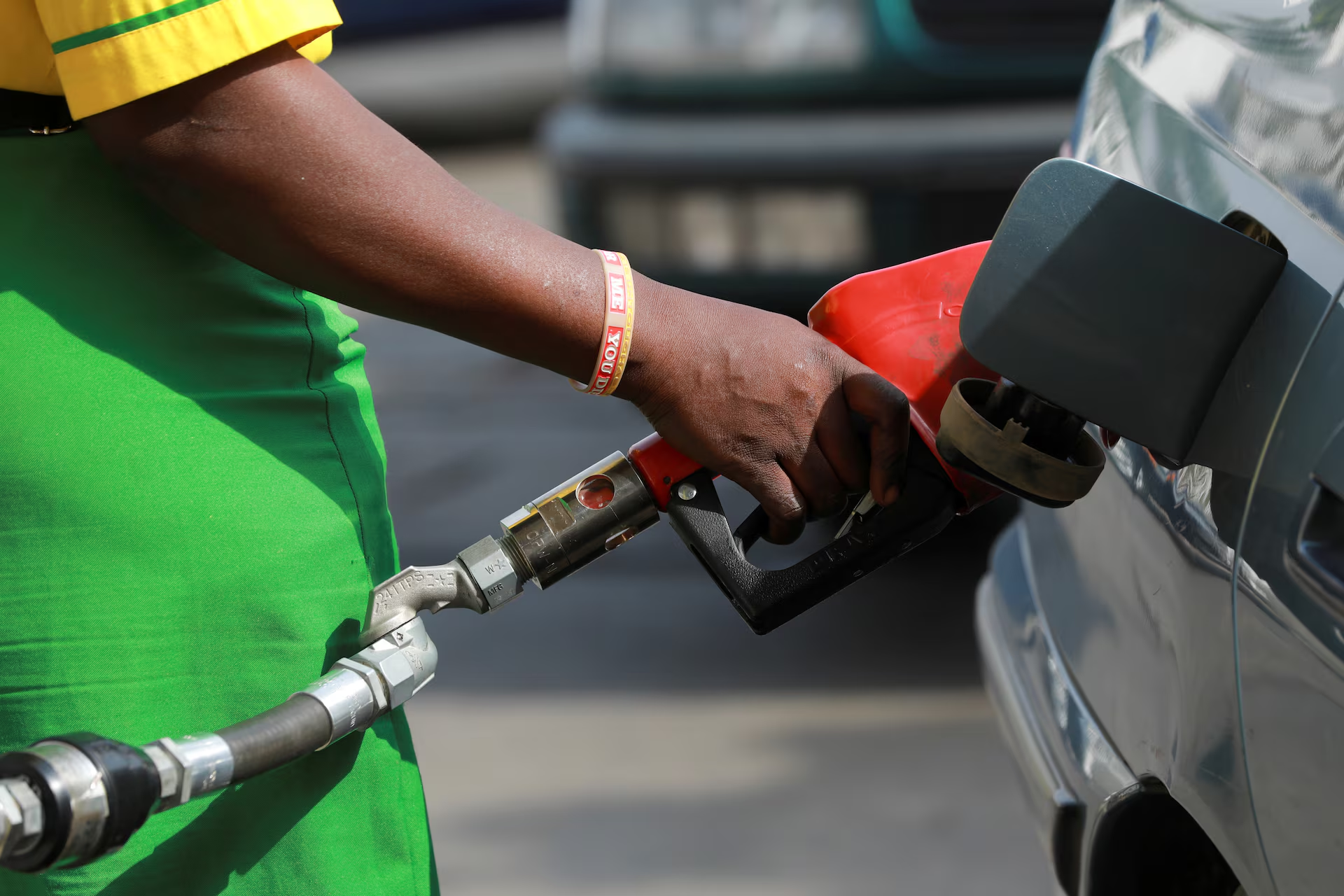
Brent crude rose above $115 on Friday, raising the prospect of higher petrol prices in Nigeria. Dangote’s gantry price remains N1,350 per litre.
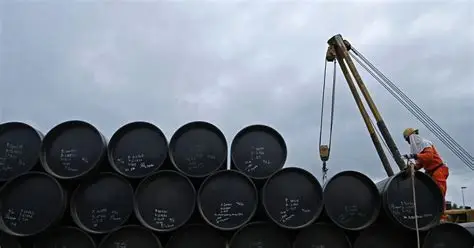
Brent crude rose above $115 a barrel on Friday and briefly topped $117, its highest level in nearly six months, raising the prospect of higher petrol prices in Nigeria. No refiner or importer has announced an increase.
Brent futures were on course for a third consecutive weekly gain. US West Texas Intermediate crude traded at about $101.
What the crude rally means for Nigeria’s petrol price
Dangote Petroleum Refinery has sold petrol at a gantry price of N1,350 per litre since 12 September, after raising it from N1,265. It was the refinery’s fourth increase since 21 August, when the price was N1,165. Marketers and depot owners have since sold at around the same level. Reports on 20 October put ex-depot prices at N1,344 to N1,345 and retail prices in Abuja at N1,370 to N1,420.
Higher international crude prices usually raise feedstock and replacement costs for refiners and marketers. Whether that reaches pump prices depends on crude procurement costs, refining margins, logistics and prevailing market prices.
Separately, the federal government announced a planned fixed price of N1,350 per litre at stations operated by the Nigerian National Petroleum Company Limited (NNPCL). Finance Minister Taiwo Oyedele announced it, and the government says it would not amount to a return of petrol subsidies. The arrangement has yet to take effect.
Why crude prices are rising
Oil moved higher after Houthi attacks in Saudi Arabia heightened fears of supply disruption. Saudi Aramco ordered staff to evacuate its Dhahran headquarters on Thursday as fighting between the kingdom and Yemen’s Houthis intensified.
On Wednesday, debris from an intercepted drone killed two people and injured two at the Shaybah oil field, according to Saudi state media. Saudi authorities said production there was unaffected. An attack on King Fahd International Airport in Dammam the same day killed two people and injured eight.
Markets also reacted to remarks by US President Donald Trump on Wednesday that Washington was not negotiating with Iran and that “something” would happen “fairly soon”. US officials have told the media that the US and Israel are considering fresh strikes on Iran after the American midterm elections. Iran’s army chief said the military was fully prepared for “asymmetric warfare”, according to Iranian state media.
The US and Israel began their war against Iran on 28 February, and Iran’s retaliation has disrupted shipping through the Strait of Hormuz, a route for a significant share of the world’s oil. Analysts say reports that Middle East crude exports have recovered to pre-conflict levels are outweighed by attacks on ships in the strait and on Saudi infrastructure.
The next indicators to watch are further moves in Brent and any new gantry price notice from Dangote Refinery.