

The agenda was shaped by 27 countries that made funding commitments before it was even published, with traditional medicine researchers making up under 0.5% of the global health workforce.
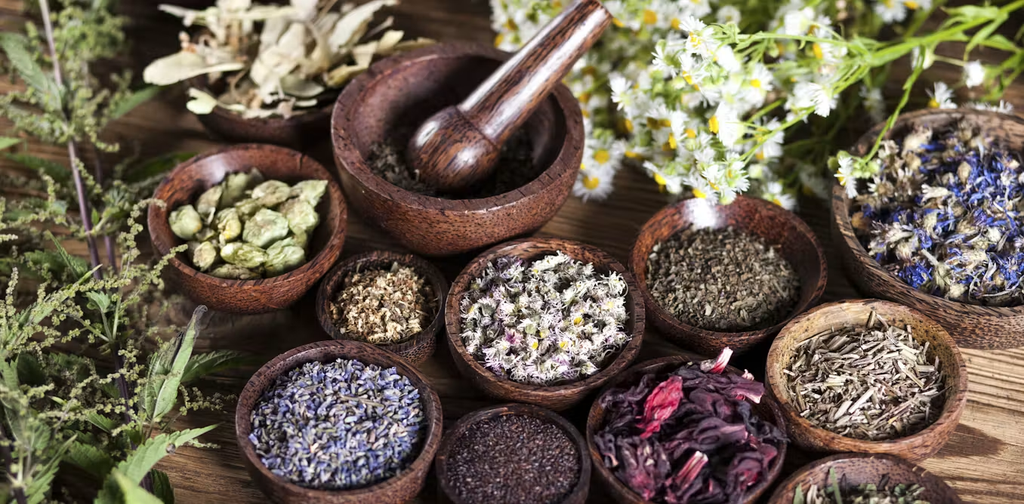
The World Health Organization (WHO) has identified stroke, cancer, mental health and several other major health conditions as priority areas for research into traditional, complementary and integrative medicine (TCIM) over the next decade.
The WHO‘s Global Research Priorities and Agenda for Traditional, Complementary and Integrative Medicine 2025-2034 identifies stroke, mental health, pain management, musculoskeletal conditions, cancer, metabolic and endocrine disorders, and reproductive health and childbirth as priority research areas, alongside prevention and health promotion, healthy ageing and healthy childhood.
A striking mismatch between disease burden and research funding
The report highlights a significant gap between how much certain conditions affect global health and how little traditional medicine research addresses them.
Stroke ranks third globally among causes of mortality and disability, yet less than 1 per cent of TCIM-funded grants address the condition. Mental health ranks eighth among contributors to disability-adjusted life years, but the review found very few or no grants specifically focused on mental health conditions. Musculoskeletal conditions, also a prominent global cause of disability, remain similarly under-researched relative to their burden.
Cancer also features among the priority areas, with the report citing rising global incidence and calling for research into integrative oncology and palliative care.
For metabolic and endocrine disorders, WHO says stronger evidence is needed, including longer-term studies on conditions such as type 2 diabetes and metabolic syndrome.
How the agenda was built
The agenda was developed through one of the largest traditional medicine research prioritisation exercises undertaken to date, involving analysis of 39,927 research grants across 40 funding schemes, examination of 116 research institutes across 67 countries, consultations with 199 experts from 75 countries, and Delphi surveys involving 235 participants worldwide.
Researchers working in traditional medicine currently account for just 0.43 per cent of the global health research workforce.
Notably, 27 member states made formal, time-bound commitments to advance traditional medicine research at the Second WHO Global Summit on Traditional Medicine, held in New Delhi in December 2025, before the agenda itself was published, meaning those commitments helped shape its final priorities.
Tanzania committed a research budget of up to TSh 10 billion by 2030; Cabo Verde, Malawi, the Federated States of Micronesia and Seychelles each committed to establishing national traditional medicine research centres; India is anchoring a multi-country research consortium; and Iran is launching a national clinical trials platform.
Patient safety and the funding gap
The agenda also puts patient safety under scrutiny, calling for studies on herb-drug interactions, monitoring and reporting of adverse events, regulatory and quality-assurance systems, and the safe integration of TCIM into primary healthcare.
WHO says the aim is to generate stronger evidence on effectiveness, safety, regulation and health-system integration so countries can make informed decisions about the role of these approaches in their healthcare systems.
The push comes against a stark funding gap. WHO says traditional, complementary and integrative medicine is used by up to 80 per cent of populations in some settings, yet less than 1 per cent of global health research funding is directed toward the field.
Where Nigeria and Africa fit in
The agenda’s emphasis on research and regulation echoes commitments Nigeria has already made at continental level. At a World Health Summit regional meeting in Nairobi in April, Professor Martins Emeje, Director-General of Nigeria’s Natural Medicine Development Agency and co-chair of the newly formed WHO Strategic and Technical Advisory Group on Traditional, Complementary and Integrative Medicine, described the Global Traditional Medicine Strategy 2025-2034 as a practical “marking scheme” for the continent over the next decade, urging African stakeholders to move from policy discussion to field-level implementation.
Nigeria has separately reaffirmed its own commitment to the agenda. On the African Traditional Medicine Day in August, Minister of State for Health and Social Welfare Dr Iziaq Adekunle Salako said the Federal Government remains focused on repositioning traditional medicine as a key component of Nigeria’s health and economic development agenda, with an emphasis on scientific research, regulation, quality assurance and safety, describing it as central to achieving Universal Health Coverage under the Renewed Hope Agenda.
WHO Nigeria Representative Dr Hamza Omotayo used the same event to call on the country to deepen research and quality assurance, noting that traditional medicine remains a vital, trusted source of healthcare for millions of Nigerians, particularly in communities where it is more accessible and affordable than conventional care.
Nigeria is also among ten African countries, alongside Egypt, Ethiopia, Ghana, Rwanda, Senegal, South Africa, Tanzania and Zimbabwe, to have reached WHO’s ML3 maturity level for medicines regulation, a marker of strengthening regulatory systems across the region.