

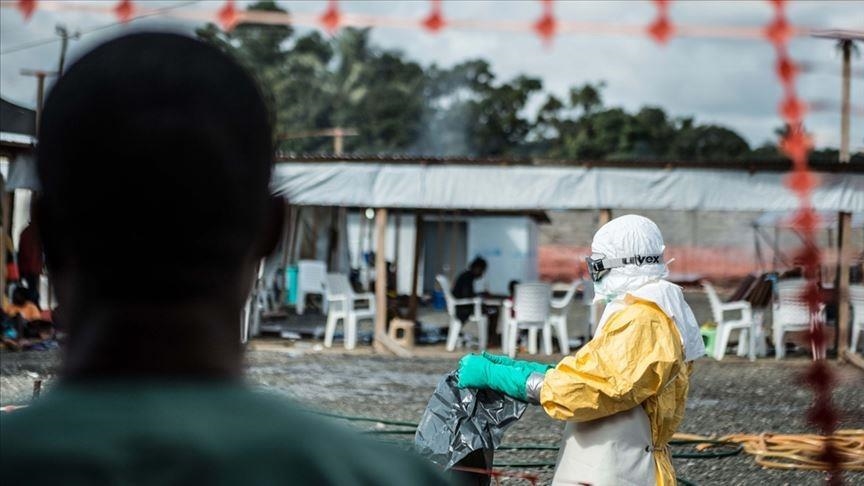
The World Health Organisation on 17 May declared the Ebola outbreak caused by the Bundibugyo virus strain in the Democratic Republic of the Congo and Uganda a public health emergency of international concern.
Director-General Tedros Adhanom Ghebreyesus after consultations with authorities in DRC and Uganda regarding the escalating spread of the virus and the risk of cross-border transmission.
However, the WHO said the outbreak does not yet meet the threshold for a pandemic emergency under the International Health Regulations.
Scale of the outbreak
As of 16 May, the outbreak had claimed an estimated 80 suspected deaths, with 246 suspected cases and eight laboratory-confirmed cases reported in Ituri Province in northeastern DRC across at least three health zones: Rwampara, Mongbwalu and Bunia.
Two confirmed cases, including one death, were reported in Kampala, Uganda, among travellers arriving from DRC on 15 and 16 May. An earlier report of a case in the capital Kinshasa was later disproven when confirmatory testing on 16 May returned negative.
The first known suspected case was a healthcare worker who reported symptom onset on 24 April in Bunia and subsequently died. The outbreak was only confirmed as Bundibugyo virus disease on 15 May, when laboratory analysis of 13 blood samples from Rwampara health zone confirmed the virus in eight samples.
On 15 May, the Democratic Republic of the Congo Ministry of Public Health officially declared the 17th Ebola Disease outbreak in the country since the virus was first identified there in 1976.
Unusual speed of declaration
Notably, this is the first time WHO has declared a public health emergency of international concern without first receiving a recommendation from an expert emergency committee. Tedros confirmed to media that an emergency committee will be convened as quickly as possible to offer advice on containment measures.
Healthcare worker concerns
At least four healthcare workers have died in circumstances suggestive of viral haemorrhagic fever, all within a four-day span. Their deaths occurred before Ebola was confirmed in the area, raising concerns over hospital-based transmission and weak infection prevention and control measures.
As of 15 May, health authorities had listed 65 contacts, with 15 identified as high-risk. However, follow-up has been weak due to insecurity and movement restrictions.
Lack of medical countermeasures
Unlike the more commonly encountered Zaire ebolavirus strain, there are currently no approved vaccines or specific therapeutics targeting Bundibugyo virus. The virus has a case fatality rate of 30 to 50 per cent, based on data from two previous outbreaks documented since its identification in Uganda in 2007.
Early supportive care is lifesaving, making rapid case identification and management critical.
Risk factors for spread
The WHO warned that several factors could worsen the spread of the disease. These include ongoing insecurity and humanitarian challenges, high population mobility across borders, the urban and semi-urban nature of the current hotspot in the Ituri Province, and the large network of informal healthcare facilities.
The outbreak area borders South Sudan and Uganda, with close trade, travel and population movement across borders. Neighbouring countries sharing land borders with DRC are considered at heightened risk for further spread.
The WHO noted that uncertainties remain about the true number of infections and the geographical extent of the outbreak. However, it said the high positivity rate among initial samples, increasing reports of suspected cases and deaths, and confirmed international transmission suggested the outbreak could be “much larger” than currently detected.
Historical context
The Ituri Province was the site of the second largest Ebola outbreak in history, which occurred from 2018 to 2020 and resulted in 3,470 cases and 2,287 deaths, caused by the Zaire ebolavirus strain. That outbreak, combined with ongoing conflict in the region, has created challenges for the current response.
DRC has experienced the most Ebola outbreaks of any country globally. A previous outbreak in DRC last year killed at least 34 people before being declared over in December 2025.
Global perspective
Since Ebola was first identified in 1976, approximately 15,000 people have died from the disease, with almost all deaths occurring in Africa. The disease spreads through direct contact with bodily fluids including blood, vomit, semen and other contaminated materials, and people become contagious once symptoms appear.
The incubation period ranges from two to 21 days, with initial symptoms including fever, vomiting, diarrhoea, intense weakness and muscle pain, progressing to internal and external bleeding in severe cases.
The WHO advised countries against closing borders or restricting trade, whilst emphasising the importance of accelerating research and clinical trials for Bundibugyo-specific treatments and vaccines.