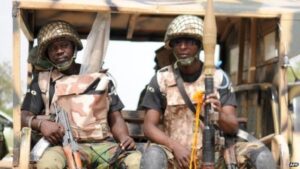


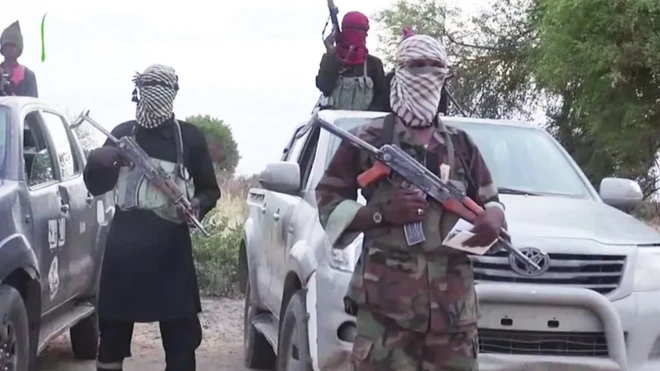
Troops of the Nigerian Army reportedly killed 21 Boko Haram terrorists and destroyed a terrorist camp during an intelligence-led raid around Kopre Mountain in Hong LGA, Adamawa State.
Troops of the Nigerian Army have reportedly killed 21 Boko Haram terrorists during a joint operation targeting a terrorist camp around the Kopre Mountain general area of Hong Local Government Area, Adamawa State.
The operation was carried out between the early hours of August 26 and August 27 following intelligence on the presence of Boko Haram fighters in the area, according to counter-insurgency publication Zagazola Makama.
The publication reported that troops moved into the area by stealth at about 1:30 a.m. on August 26 before launching an assault on the terrorist camp at around Kopre Mountain. The operation reportedly continued until about 4:10 a.m. on August 27.
“Military sources said the operation resulted in the death of 21 Boko Haram terrorists, while some others reportedly escaped with gunshot wounds,” Zagazola Makama reported.
The troops also reportedly destroyed the terrorist camp and several logistics items found at the location.
Weapons and Supplies Recovered
According to the report, soldiers recovered several weapons and ammunition during the operation, including AK-47 rifles, AK-47 magazines and 7.62mm special ammunition.
The troops also destroyed several motorcycles, bicycles and jerrycans containing premium motor spirit (PMS) reportedly belonging to the terrorists.
The destruction of the motorcycles and fuel supplies could disrupt the group’s ability to move personnel, weapons and other materials through the area.
However, the operation reportedly came at a cost, with one member of the hunter component supporting the troops killed during the encounter. Zagazola Makama reported that there were no reported losses of military equipment during the operation.
The reported raid comes amid continued military operations against Boko Haram and other insurgent groups operating across parts of northeastern Nigeria.While the reported deaths of 21 terrorists represent a significant tactical gain if independently confirmed, the broader challenge remains preventing surviving fighters from regrouping and maintaining pressure on their networks, camps and supply routes.
The Nigerian military has continued to rely on intelligence-led operations, supported by local security actors and civilian hunters familiar with difficult terrain, to target insurgents in remote areas.
For communities in Adamawa and other parts of the northeast, however, the ultimate measure of success will extend beyond the number of terrorists killed or camps destroyed.
It will be whether such operations can translate into sustained security, restore freedom of movement and make it possible for residents to farm, trade and live without the persistent threat of insurgent attacks.