

Monitoring: Congressman Riley Moore warns of conditions on security assistance; appropriations bill contains provisions on religious freedom and electoral credibility
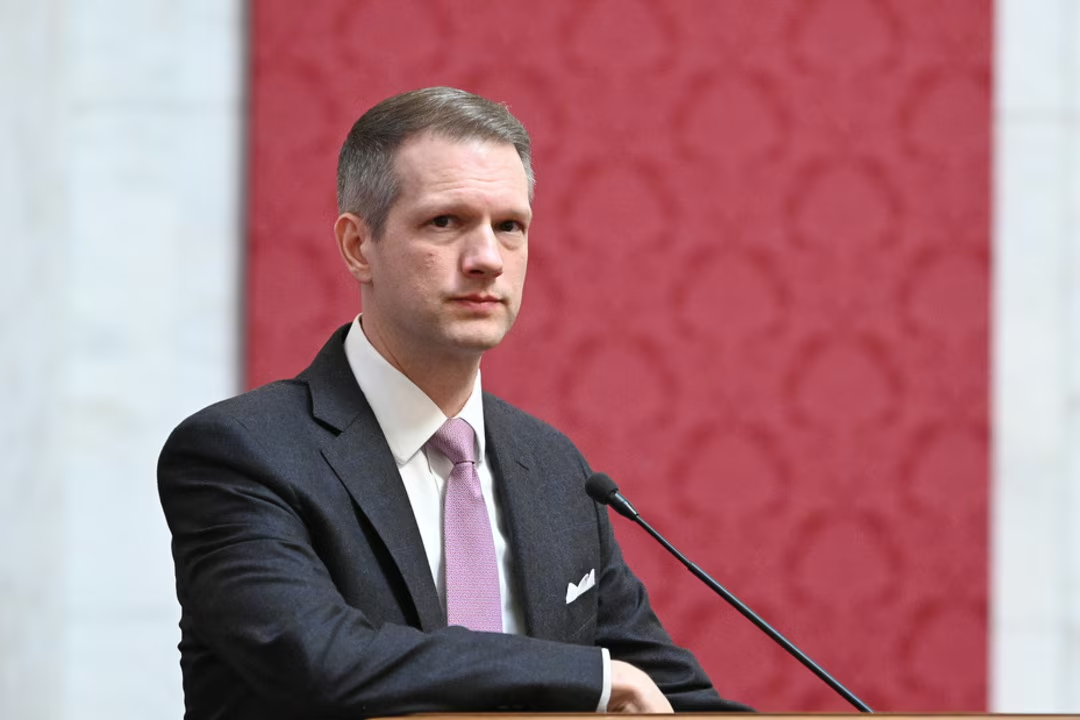
The administration of US President Donald Trump has signalled its intention to closely monitor Nigeria’s 2027 general elections, with Congressman Riley Moore stating that Washington will pay “very close attention” to how the polls are conducted, executed and resolved.
Moore, a Republican representing West Virginia, disclosed the position during an interview with NoireTV posted on the platform’s social media pages on Sunday. Responding to questions about whether the United States could do more to support credible elections in Nigeria, Moore said the Trump administration remains committed to observing developments.
“What I’d say is that we’re certainly going to be watching these results and how these elections unfold and how they’re executed. And that’s something that myself and the administration are going to be paying very close attention to,” Moore stated.
The congressman’s remarks underscore growing US legislative and executive attention to Nigeria’s electoral process and governance trajectory as the West African nation approaches what promises to be a highly contested 2027 presidential contest.
Conditional security assistance tied to governance standards
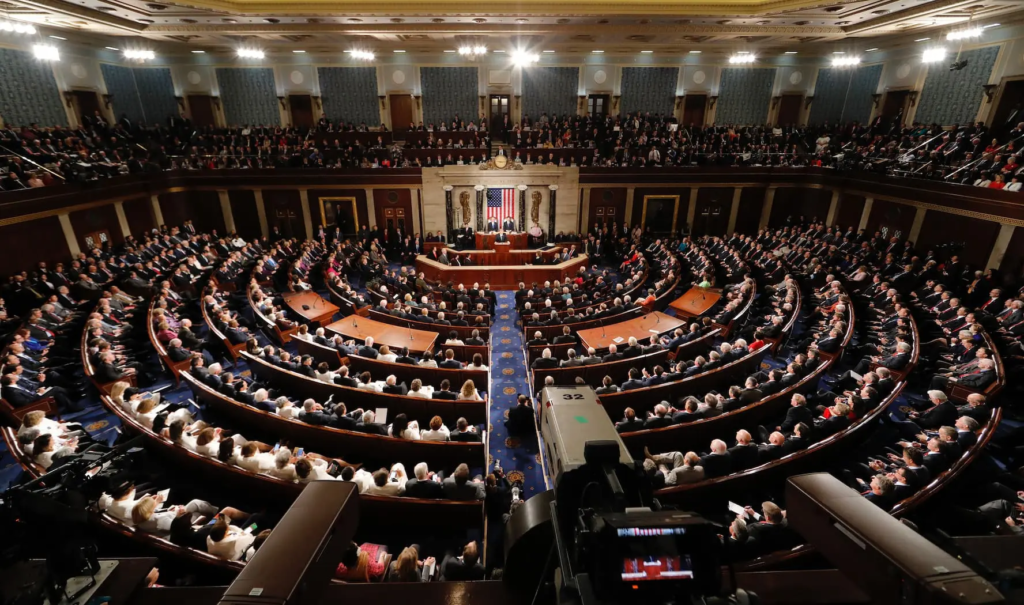
Moore disclosed that the US House of Representatives is considering an appropriations bill containing “strong and aggressive language” relating to Nigeria, particularly on religious freedom and future security cooperation between the two countries.
The US House Appropriations Committee approved provisions in April 2026 that impose stricter oversight and conditions on American financial assistance to Nigeria. Under the bill forwarded to Congress for consideration, 50 per cent of funds earmarked for Nigeria under foreign assistance titles will be withheld until the US certifies that the Nigerian government has taken “effective steps” to address religious violence and investigate attacks.
The appropriations bill also demands that remaining funds support investigations and prosecutions of violence by Fulani militia groups and facilitate the safe return of internally displaced persons to their communities.
Moore said such conditionality reflects serious US concerns about governance standards and human rights in Nigeria.
“There’s a lot of language that is put on that bill that’s inside of it that relates to Nigeria, and the persecution of Christians, and restrictions on security assistance to the government of Nigeria, and steps that they have to take. That bill is likely to become a law,” Moore stated.
Religious freedom legislation advancing in Congress
Moore is a co-sponsor of the Nigeria Religious Freedom and Accountability Act of 2026, introduced alongside Congressman Chris Smith in February. The proposed legislation seeks to require the US Secretary of State to submit periodic reports to Congress on efforts to address religious persecution and mass atrocities in Nigeria.
The Smith-Moore bill proposes assessments of Nigeria’s compliance with international religious freedom obligations, evaluation of US security assistance effectiveness, reviews of sanctions and humanitarian support, and measures taken by the Nigerian government to protect vulnerable communities and prosecute perpetrators of attacks.
The congressman stressed that these legislative initiatives reflect genuine concern within the Trump administration about Nigeria’s trajectory. “I continue to talk to him about these issues, and it’s very important to him,” Moore said, referencing direct conversations with President Trump on Nigeria-related matters.
International monitoring welcomed with caution by civil society
Civil society organisations including Yiaga Africa and the Civil Society Legislative Advocacy Centre have welcomed US interest in Nigeria’s 2027 elections whilst cautioning against external interference in the electoral process.
Yiaga Africa noted that international attention to Nigeria’s polls is expected, given the country’s strategic importance. However, the organisation emphasised that monitoring and interference represent distinct concepts. Monitoring and expressing concern about electoral integrity fall within normal diplomatic practice, whilst interference involves actions aimed at influencing electoral outcomes.
Organisations stressed that the credibility of 2027 elections will ultimately be determined by Nigerian institutions, including INEC, political parties, security agencies, the judiciary, the media, civil society and citizens themselves.