

NDC Party: A nine-year registration battle, a court reversal, and the legal question that could reshape 2027 election preparations
Nigeria’s opposition has been thrown into uncertainty by a legal twist involving a relatively unknown political party and a two-finger victory logo.
The Nigeria Democratic Congress, which had quietly sought recognition as a political party since 2017, suddenly became central to opposition politics when Peter Obi and Rabiu Musa Kwankwaso adopted it as their platform for 2027 presidential elections.
Then, in June 2026, a federal high court dramatically reversed an earlier ruling that had cleared the party for registration, throwing its legal status into limbo.
The crisis centres on a simple question: can a court overturn its own judgment after more than five months have passed? The answer to that question will determine whether the NDC remains a valid political party or whether it has effectively been erased from Nigeria’s electoral landscape.
The nine-year struggle that nobody noticed
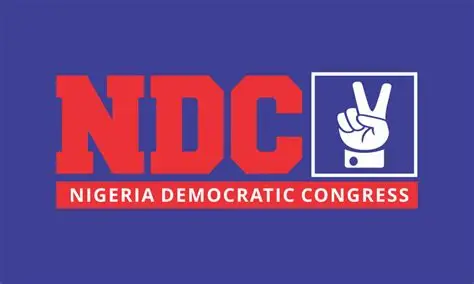
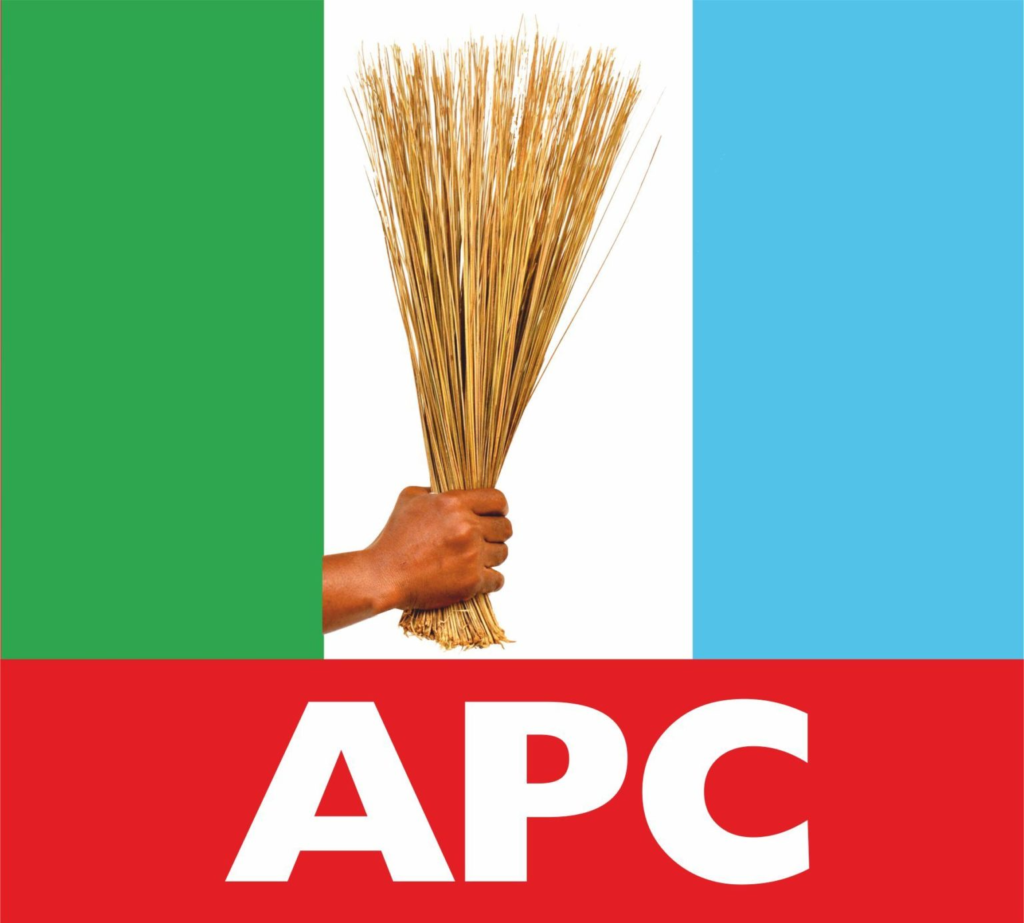
The NDC’s journey began in obscurity in 2017 when the association first applied to INEC for registration as a political party. At that time, numerous associations were seeking to become recognised political parties. INEC declined the NDC’s application, citing a specific reason: the party’s logo looked too similar to the All Progressives Congress logo.
Seriake Dickson (NDC National Leader) said: “We received a letter from INEC stating that our application was declined because our proposed logo, which is the two-finger sign, was similar to that of the APC broom. This was shocking to us and we wrote back to INEC to restate that the logos were in no way similar.”
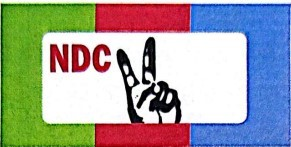
The party’s proposed symbol, a two-finger victory sign forming a “V”, was deemed to resemble the APC’s broom logo, particularly when printed small on ballot papers. INEC feared that uneducated, elderly or rural voters relying on quick visual identification could mistake one symbol for the other, potentially invalidating votes or triggering post-election disputes. The NDC offered to change its logo, but INEC reportedly declined to allow the change and did not register the party.
For eight years, the NDC remained in limbo. It was neither fully registered as a political party nor completely denied recognition. It existed in a grey zone, unable to fully participate in electoral processes but not formally rejected either.
In 2025, when INEC resumed the registration of new political parties, the NDC revived its application. This time, INEC again declined to register it, citing the same logo similarity concern. The party repeated its willingness to change the logo, but INEC maintained its position.
When courts intervene in electoral disputes
Frustrated by INEC’s refusal, the NDC took the matter to a federal high court in Lokoja. On 10 December 2025, Justice Isah Dashen ruled in favour of the NDC, ordering INEC to register the party as a political party. The judgment seemed to settle the matter decisively.
Two months later, on 5 February 2026, INEC chairman Joash Amupitan announced that the NDC had been registered, citing the Lokoja court judgment as the basis for the decision. For the first time in nine years, the NDC had officially achieved its objective.
Within months, prominent opposition figures including Peter Obi and Kwankwaso adopted the NDC as their political platform, suddenly transforming it from an obscure association into a major political player.
A third party emerges with a competing claim
But a complication emerged. The Peace Movement Party, another association seeking registration, filed an application before the same federal high court. The PMP argued that it had submitted an application to INEC before the NDC, and that it had also proposed to use a two-finger victory logo.
The PMP contended that INEC’s decision to reject the NDC was partly based on knowing that the PMP had already filed using the same logo. The PMP argued that it was a necessary party to the NDC’s registration case but had never been informed of the suit and had no opportunity to participate in the court proceedings.
The PMP asked the court to set aside the December 10 judgment on the grounds that the case had been decided without hearing from all parties whose interests were affected by the ruling.
The surprising court reversal
On 26 June 2026, Justice Dashen granted the PMP’s application. The court ruled that the earlier judgment was procedurally defective because it had been delivered without joining the PMP as a party. Even though courts are generally unable to revisit their own decisions once delivered, the judge held that an exception exists when a judgment was obtained without fair hearing or without joining necessary parties.
The court set aside the December 10 judgment and ordered that the dispute be heard afresh with all necessary parties joined.
What this means for the NDC
The ruling created legal ambiguity. The NDC argues that the court did not expressly order its deregistration, only that the December judgment be vacated. The party insists it remains legally registered because it has already conducted congresses and primaries under INEC observation.
INEC has not made a formal decision, saying it will study the court judgment before deciding its next steps. The uncertainty leaves the NDC’s legal status in question, with the party’s appeal to the Court of Appeal pending.
Until that appeal is concluded, the NDC operates in legal limbo: officially registered according to one court judgment, but that judgment declared a nullity by another ruling from the same judge.