


Adeniyi Adeyemi Matthew allegedly forged his way into meetings with ambassadors, got N1.3bn in the budget, and exposed how broken Nigeria’s systems really are
Before we begin, an important disclaimer: virtually every allegation in this story remains unproven in a court of law. The Nigerian government has accused Adeniyi Adeyemi Matthew of operating an elaborate fraud involving forged government documents, fake agencies, multiple bank accounts, and impersonation. Adeyemi, however, denies key aspects of the allegations and has made serious counter-allegations against senior government officials.
With that in mind, what follows is based on publicly available court filings, police charges, official government statements, and Adeyemi’s own public responses.
You know that feeling when you watch a heist movie and wonder how anyone could pull off something so brazen? Well, Adeniyi Adeyemi Matthew didn’t just pull it off. He allegedly lived it for years in real life, right under the nose of Nigeria’s government.
And unlike the movies, nobody found out because he was brilliant. They found out because he got caught doing a bad thing, tried to blame someone else, and the whole rotten scheme unravelled on X.
Here’s the thing about Adeniyi Adeyemi Matthew: the man didn’t just lie about who he was. He created an entire ecosystem of lies. He didn’t just create a fake agency. He created multiple fake agencies. He didn’t just open one bank account in a fake government’s name. He opened thirty-four of them.
If a regular Nigerian tried to open a bank account claiming to be the “Federal Government of Nigeria,” the bank would laugh them out of the building. Adeyemi didn’t just do it. He made it work. Multiple times. At multiple banks. One of those accounts was at the Central Bank of Nigeria itself. Read that again. The Central Bank. The institution literally designed to spot financial fraud. And somehow, he got them to open an account for a presidential agency that didn’t exist.
Table of Contents
The Forgery That Started It All
Before he became Nigeria’s most creative liar, Adeniyi Adeyemi Matthew was practising his craft. In November 2016, he convinced people he was an ambassador and President-General of the “World Youth Organisation,” claiming he’d been elected at a summit in New Delhi, India. The local media ran the story. People believed him. Until someone asked the UN: “Does this organisation exist?” The answer was no. The organisation did not exist.
But here’s the thing: he didn’t go to jail. He didn’t face serious consequences. He just stopped claiming to be from the World Youth Organisation. And apparently, he learned a valuable lesson: if you’re going to be fake, be fake in ways that are harder to verify. And then comes the Presidential Foreign Intervention Promotion Council.
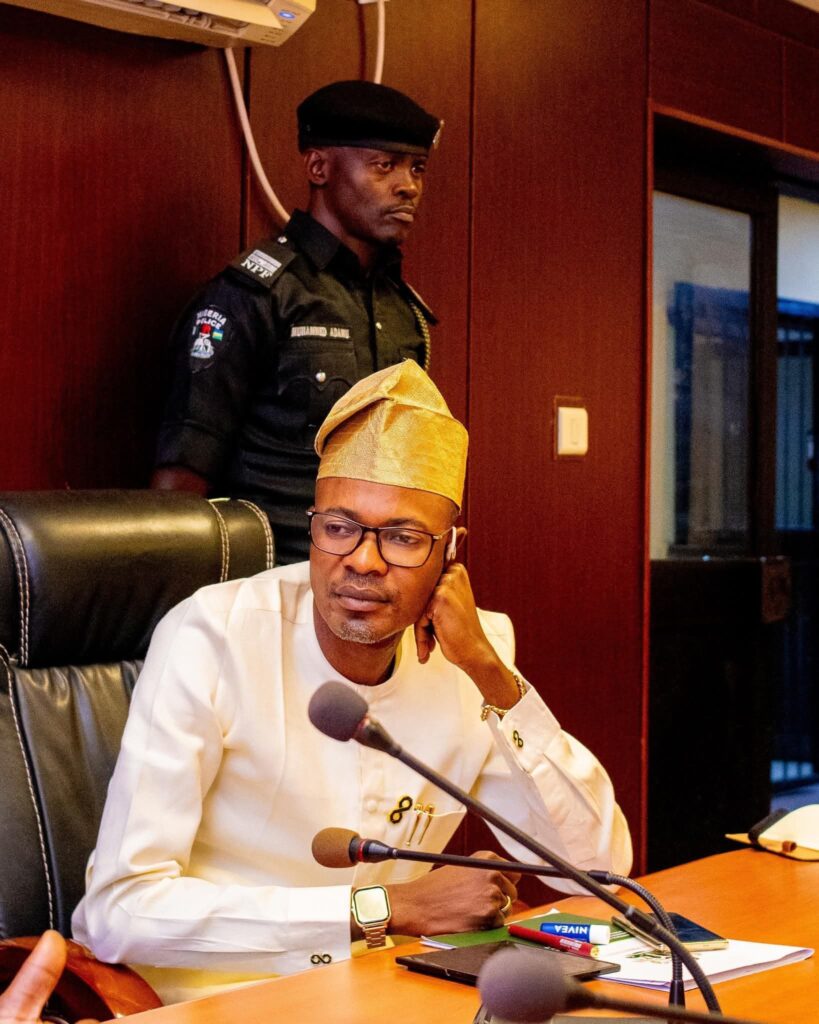
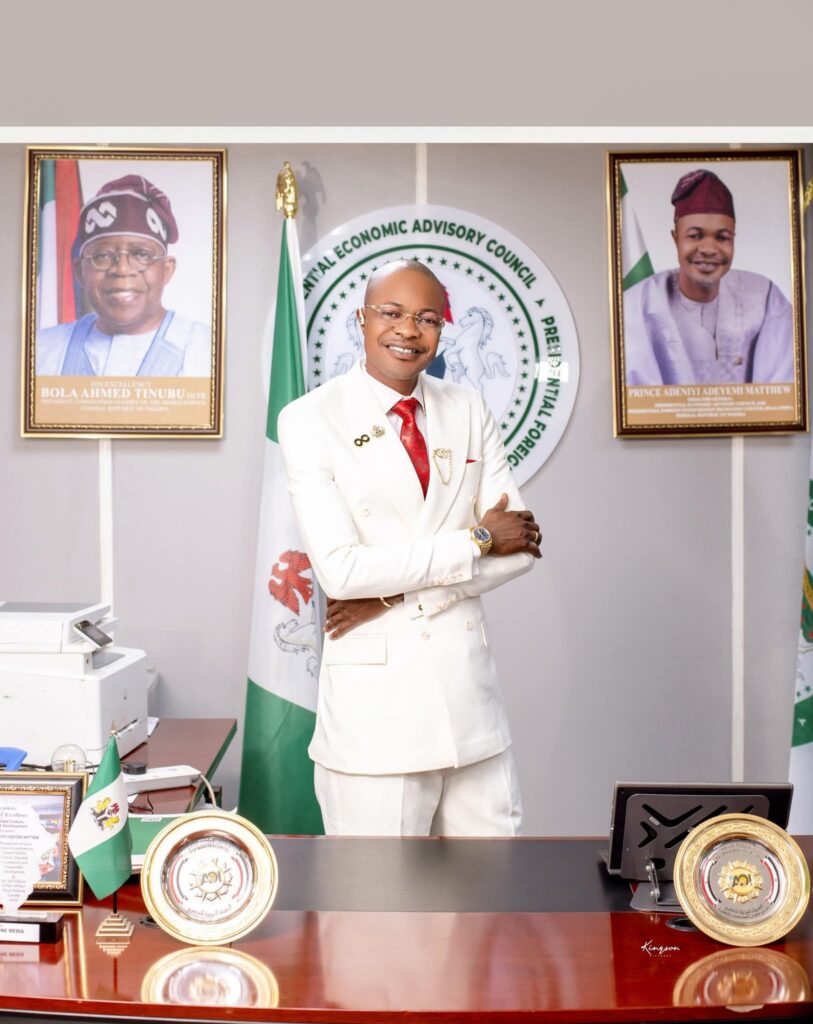

For years, Adeyemi operated his machinery of fraud in plain sight. He rented an office at the Federal Secretariat Complex, Abuja. Phase III, 2nd Floor. The address was real. The office was real. The government agency it claimed to represent? Not real. But he had letterheads. Stamped ones. With fake seals. With fake signature blocks from the Chief of Staff’s office. Impressive forgery work, honestly. The kind of attention to detail that would make a counterfeiter proud.
He created a website. He put photographs on it. He made business cards. He had the audacity to call himself “Prince Adeniyi Adeyemi Matthew.” Not just Adeniyi. Not just Adeyemi. Prince. As if that title alone would make government officials and foreign diplomats think: “Well, if he has a ‘Prince’ in his name, he must be legitimate.”



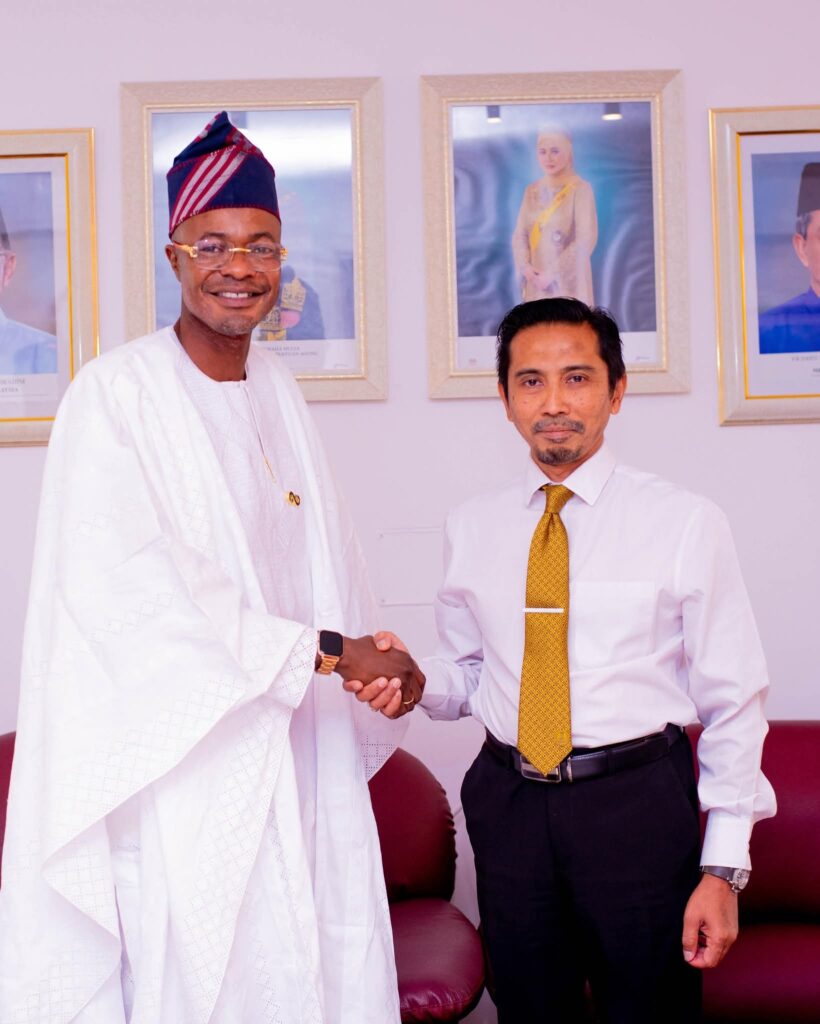
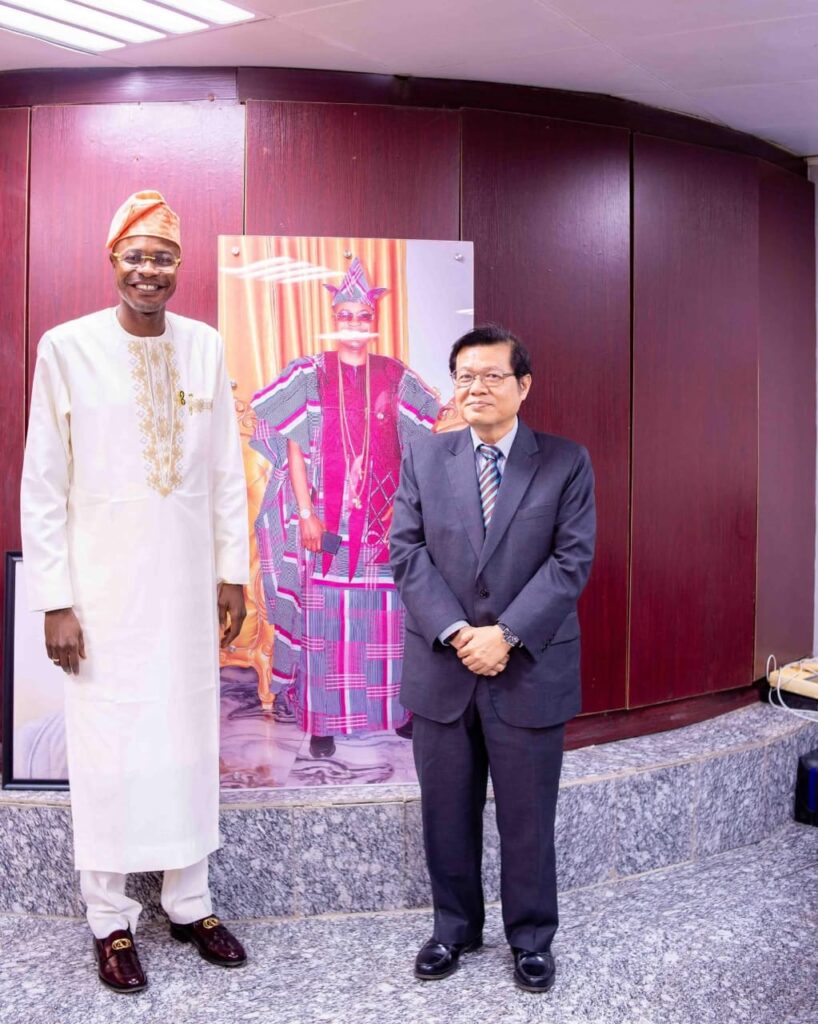
And here’s where it gets darkly funny: they believed him. Not everyone. But enough people. Enough important people. He managed to get meetings with ambassadors at the Wells Carlton Hotel. He requested note verbales from the Ministry of Foreign Affairs to help his fake staff get visas. He hosted meetings with foreign officials who thought they were meeting with legitimate government representatives. Imagine being a foreign diplomat and realising you’ve been playing along with an elaborate fraud the entire time.
The Collapse of Government Verification Systems
The Nigerian government was so confused about who this guy actually represented that eventually, three different agencies had to send letters asking: “Wait, who is this guy?” The Nigerian Investment Promotion Council was like: “Is this guy competing with us?” The Foreign Affairs Ministry was like: “Why is this guy meeting with ambassadors?” The Office of the Secretary to the Government was like: “Uh, no one here appointed him.“

On September 7, 2025, on the Abuja-Kaduna Expressway, Adeyemi claims he survived an assassination attempt. In his telling, vital documents were stolen, his phones were taken, and “someone from above” ordered security agencies not to investigate further. His phones were tracked to Gombe State but the case went nowhere. Convenient story. Whether true or not, it marks a moment when things started to unravel.
More importantly, there was an intermediary between Adeyemi and the Chief of Staff named Babatunde Tanimola. On October 22, 2025, Tanimola died in a hotel fire in Utako, Abuja. Adeyemi claims it wasn’t a fire accident. He claims it was something else. The police say it was. Who knows? The story gets stranger every time someone tells it.
When the Forgery Was Finally Discovered
The Chief of Staff, Femi Gbajabiamila finally went public. In a letter dated October 17, 2025, he asked the DSS and Police to investigate “fraudsters and imposters” forging appointment letters from his office. The specific issue: fake documents with “falsified signatures, reference/folio numbers, and seals” being used to claim leadership of non-existent entities.
They arrested Adeyemi on October 27, 2025, at the Federal Secretariat office where he was operating his fictional government. They found documents. They found exhibits. They searched his residence in Suleja, Niger State. They uncovered the scale of the operation: 34 bank accounts. Nine of them opened in the names of fake government agencies. A CBN account opened using forged documents presented to the Accountant-General’s office.
Think about that: he created fake government agencies. He created fake letterheads and seals. He created fake official correspondence. And then he used those fake documents to convince the literal Central Bank of Nigeria to open an account. The Central Bank. Which is supposed to be really good at spotting fake documents.
On November 27, 2025, police filed eight counts against Adeyemi and two accomplices (identified only as “Femi” and “Anu,” who are still at large). The charges read like a criminal masterclass: conspiracy to commit forgery, forgery of presidential appointment documents, forgery of State House letterheads, forging requests for office accommodation, impersonation, and additional forgery charges for correspondence meant to legitimise a fake organisation.
The specific language of Count Two: “That you, Prince Adeniyi Adeyemi Mathew, forged an appointment letter purported to have been issued by His Excellency, President Bola Ahmed Tinubu, GCFR, and signed by the Chief of Staff to the President, Femi Gbajabiamila.“
He didn’t just forge a government letter. He forged it in the name of the President of Nigeria.
The Scandal That Exposed Government Negligence
Here’s where the story becomes an indictment of the entire government system: the PFIPC (the fake agency, the non-existent council) appeared in Nigeria’s 2026 budget. On pages 50 and 51. It was allocated N1.3 billion. In public documents. That were signed by the President. For an agency that didn’t exist.
So either the entire budget is fraudulent because someone managed to insert a fake agency into it. Or government officials are so incompetent at their jobs that a fake agency slipped into the national budget undetected. Or someone in government knew about it and allowed it. Or all of the above.
This is genuinely what Adeyemi started arguing. If the agency doesn’t exist, how is it in the budget? If it is in the budget, it must exist. If it’s in the budget and also doesn’t exist, then the entire budget is fraudulent. He’s not wrong about the logic, actually. It’s a genuine scandal hiding under a scandal.
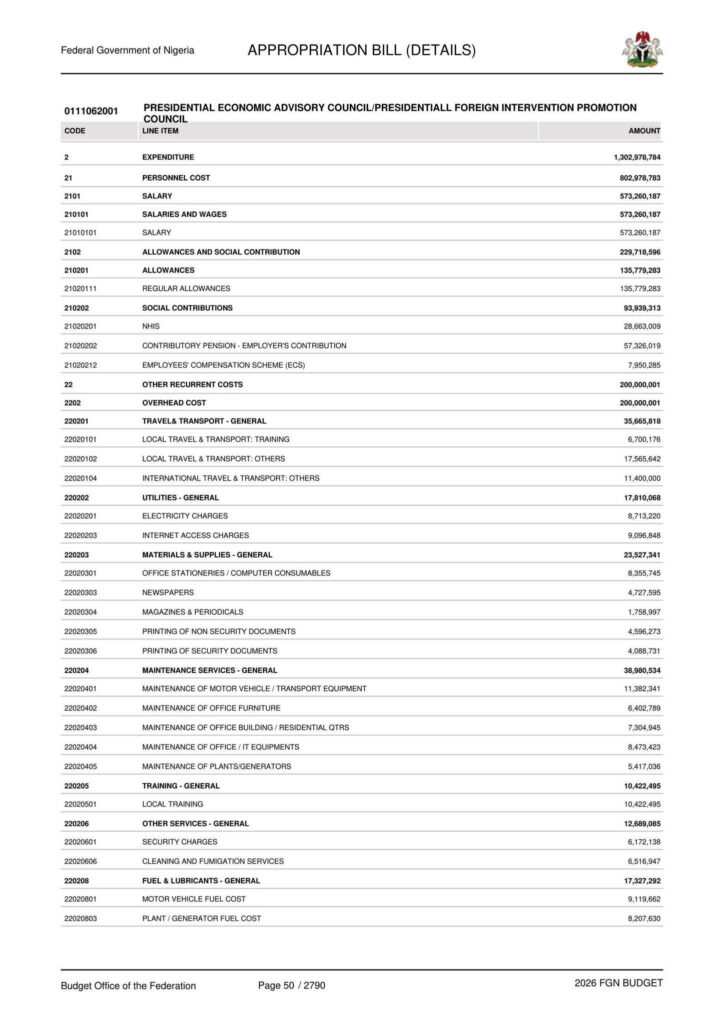
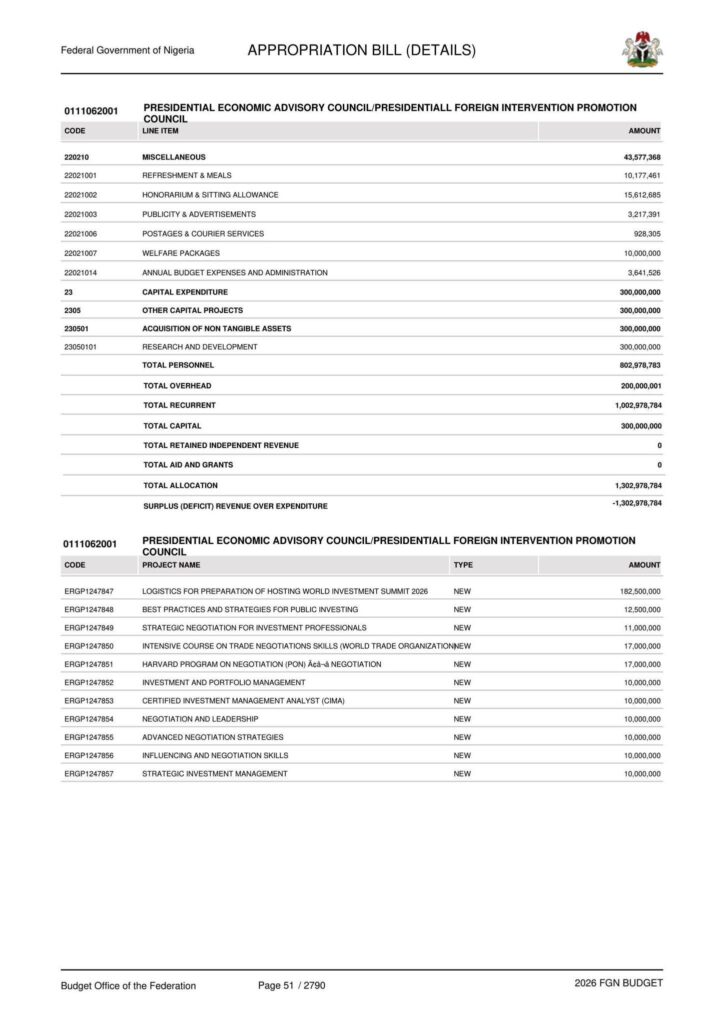
But then something wild happened. While out on police bail, Adeyemi came out swinging. He called a press conference and made allegations that completely shifted the narrative. He said the Chief of Staff, Femi Gbajabiamila, had received N400 million through a proxy and demanded an additional N200 million to secure his appointment. He alleged Gbajabiamila demanded 48 percent of the PFIPC’s N27.4 billion take-off grant, which he rejected.
Here’s the thing: Adeyemi had already told police a different story in November 2025. So he changed his story while out on bail. Either he was lying then, or he’s lying now. There’s no third option. But the way he framed it in June made it sound like he was the victim of extortion. Like Gbajabiamila was the real criminal.
The timing is interesting. The presidency had just issued disclaimers denying everything. Gbajabiamila had issued a statement. And then, conveniently, Adeyemi held a press conference making allegations that would implicate the Chief of Staff in bribery. It’s a classic move: if you can’t win the case, drag the other person into the scandal with you.
The Unanswered Questions That Linger
The presidency responded with a comprehensive statement basically saying: “This man is a con artist. He’s been doing this for years. Here’s proof.” They released the timeline. They explained how he forged documents. They noted that he’d already been caught doing this exact thing with the United Nations organisation in 2016. They pointed out that he made contradictory statements to police versus his press conference.
And they made a crucial point: how does a man out on bail for forgery suddenly have the wherewithal to hold a press conference making allegations against the Chief of Staff? Who arranged it? Who’s advising him? Is there a network helping him?
But the questions remain: How did a fake agency get into the national budget? This requires either massive negligence or insider help. Either way, it’s a problem. Someone in the budgeting process didn’t catch this. Or they did and didn’t care.
How did he meet with ambassadors for months without anyone checking his credentials? The Ministry of Foreign Affairs eventually caught him, but only after he’d already met with multiple diplomats. What if he’d made agreements on behalf of the Nigerian government? What if he’d made promises Nigeria couldn’t keep?
How did the Central Bank open an account based on forged documents? The Accountant-General’s office was supposedly “misled.” How? With what level of forgery? That’s genuinely impressive fraud if he fooled the AGF’s office.
Who are “Femi” and “Anu”? Two accomplices are still at large. Two people who helped him. Who are they? Are they government officials? Are they bankers? Are they still operating?
Did anyone actually meet with him on government business? Did he make arrangements? Sign agreements? Make representations on behalf of Nigeria to foreign governments? If so, what are the legal implications?
Is the bribery allegation against Gbajabiamila real or a desperate counter-attack? Only a court can answer this. But the allegations emerged only after Adeyemi was arrested.
The System’s Complete Failure
Here’s what genuinely frightening about this story: Adeniyi Adeyemi Matthew didn’t need superhuman intelligence to pull this off. He needed forged documents (anyone with a printer and decent design skills can do this), confidence (which he had in abundance), and a government so massive and so poorly coordinated that nobody was checking anything.
Think about it. An entire government apparatus. Ministries. Agencies. Security services. The Accountant-General’s office. The Central Bank. Dozens of banks across the country. Foreign ministries. Diplomatic corps. And one man with forged letterheads managed to fool all of them for years.
That’s not a commentary on how clever Adeyemi is. That’s a commentary on how negligent the government is.
Somewhere in Nigeria’s bureaucracy, there are people whose job is specifically to verify that government representatives are legitimate. They failed. Somewhere, there’s supposed to be a system of checks and balances. It didn’t work. Somewhere, government agencies are supposed to coordinate and flag suspicious activity. They didn’t.
Adeniyi Adeyemi Matthew didn’t beat the system. The system beat itself.
The Federal High Court is scheduled to hear the case on July 27, 2026. Until then, Adeyemi remains a suspect in an ongoing trial. The allegations he made against Gbajabiamila cannot be investigated properly because of sub judice rules. The presidency says “wait for the court.” Opposition figures like Atiku are calling for independent investigations. Human rights lawyers like Femi Falana are pointing out that the presidency doesn’t have the authority to just declare Gbajabiamila innocent.
Everyone’s waiting. Everyone’s watching. And a man who created an entire fake government agency from scratch is currently out on bail, presumably planning his next move.
If there is a moral to this story, it’s this: In a functioning government, what Adeniyi Adeyemi did would be impossible. In Nigeria’s government, not only was it possible. It went on for years. Multiple fake agencies. Dozens of bank accounts. Meetings with foreign diplomats. A budget allocation. All because the system was too broken to stop him.
Adeniyi Adeyemi Matthew wasn’t a criminal mastermind. He was a man with a printer, a dream, and an understanding of human psychology. He knew that if you acted confident and had official-looking documents, most people wouldn’t question you. He was right.
And that, more than anything else, is the scandal.