

Nigeria has announced a world-class polymetallic mineral province in Kaduna State containing platinum, lithium, gold, nickel, copper and rare earth elements, a potentially transformative discovery for the nation’s economy.
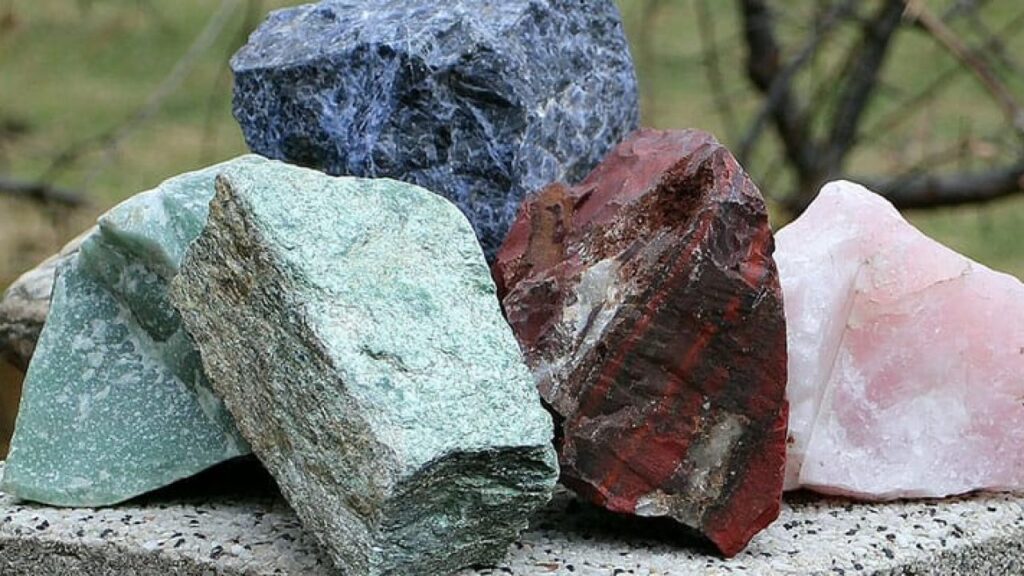
Nigeria has announced one of its most significant mining breakthroughs in recent history, with the federal government confirming the discovery of a world-class polymetallic mineral province in Kaduna state containing platinum group metals, lithium, gold, nickel, copper, and rare earth elements.
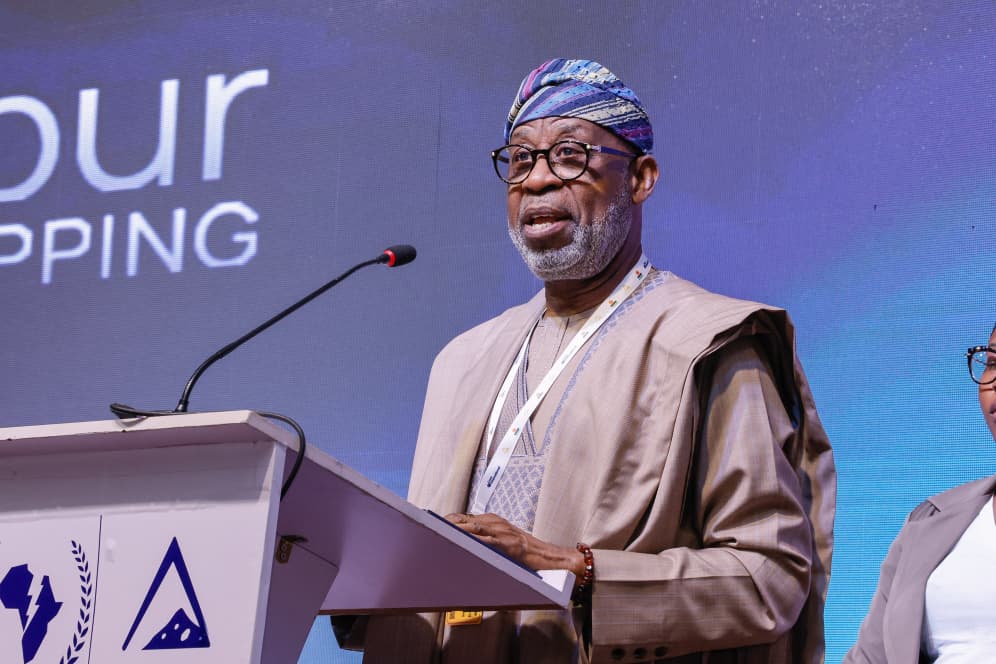
Dele Alake, minister of solid minerals development, made the announcement on Wednesday at the opening ceremony of the African Natural Resources and Energy Investment Summit 2026 in Abuja, describing the Nigeria mineral discovery as a landmark moment for the country’s extractive sector.
A Historic Nigeria Mineral Discovery
The deposit, verified by the Nigerian Geological Survey Agency (NGSA) in collaboration with a private company, represents the first public announcement of its kind for the Kaduna province. Alake was explicit about the significance of the moment.
“This is important for newsmen and stakeholders to take note; this is the first time I am announcing this publicly,” the minister said. “Recent exploration breakthroughs verified by our Nigerian Geological Survey Agency have unveiled a world-class polymetallic mineral province in Kaduna State, consisting of world-class platinum group metals, precious, and critical mineral deposits.”
He added that the province is “notable for significant deposits of gold, nickel, copper, lithium, and rare earth elements of exceptionally high grades, positioning Nigeria among the emerging destinations for strategic mineral resources and sustainable mining investment.”
Lithium Reserves Unveiled at Abuja Site
The announcement coincided with the unveiling of an estimated 3.3 million metric tonnes of lithium reserves at a separate Abuja mining site operated by Steron Mining and Company Limited during a facility tour organised for summit delegates.
Abu Omar, chief executive officer of Steron Mining, explained that the company’s journey into lithium was unplanned. “We have granite in abundance because it is the host rock here. That was our original focus. We later discovered lithium and have now identified occurrences of tantalite,” he said, adding that “the prospects remain encouraging.”
Omar noted that exploration activities are continuing at the site.
Why the Nigeria Mineral Discovery Matters Globally
The timing of the Nigeria mineral discovery is significant. Lithium, platinum group metals, and rare earth elements are among the most strategically important materials in the global clean energy transition, powering electric vehicle batteries, hydrogen fuel cells, and advanced semiconductor manufacturing.
Alake acknowledged that Nigeria has historically failed to convert its mineral wealth into domestic economic value. “For too long, Nigeria’s mineral endowment did not translate into sufficient national value,” he said. “The paradox was very clear: vast mineral potential but limited beneficiation, rising global demand but inadequate geological confidence, legal authority but weak enforcement, and abundant activity but too much informality.”
From Raw Exports to Domestic Value Addition
The federal government signalled a deliberate shift in mining policy, moving away from the export of unprocessed raw minerals toward domestic beneficiation and value addition.
Alake confirmed that investors have already committed billions of dollars to processing projects expected to structurally alter Nigeria’s economy.
The high-grade nature of the Kaduna deposits, combined with Nigeria’s stated commitment to in-country processing, could position the country as a credible destination for strategic mineral investment at a time when Western governments and Asian manufacturers are actively diversifying supply chains away from a small number of dominant producers.
The Nigerian Geological Survey Agency has been credited with verifying the find, lending institutional credibility to what could become one of West Africa’s most consequential resource announcements in decades.