

Following the resignation of UK Prime Minister, Keir Starmer, after pressure from the Labour Party, people have become curious about how PMs are chosen. Starmer is the UK’s 6th Prime Minister in the last decade.
When a Prime Minister decides to step down, they stay in office until their political party chooses a new leader. Once a successor is selected, the Prime Minister formally resigns and the King appoints the new leader as Prime Minister. Read more to learn about how they are chosen and appointed:
How the new Prime Minister is chosen
- Today, the King does not personally choose the Prime Minister.
- The governing political party decides who its new leader will be through its own internal rules.
- The King then appoints the person who is most likely to command a majority in the House of Commons.
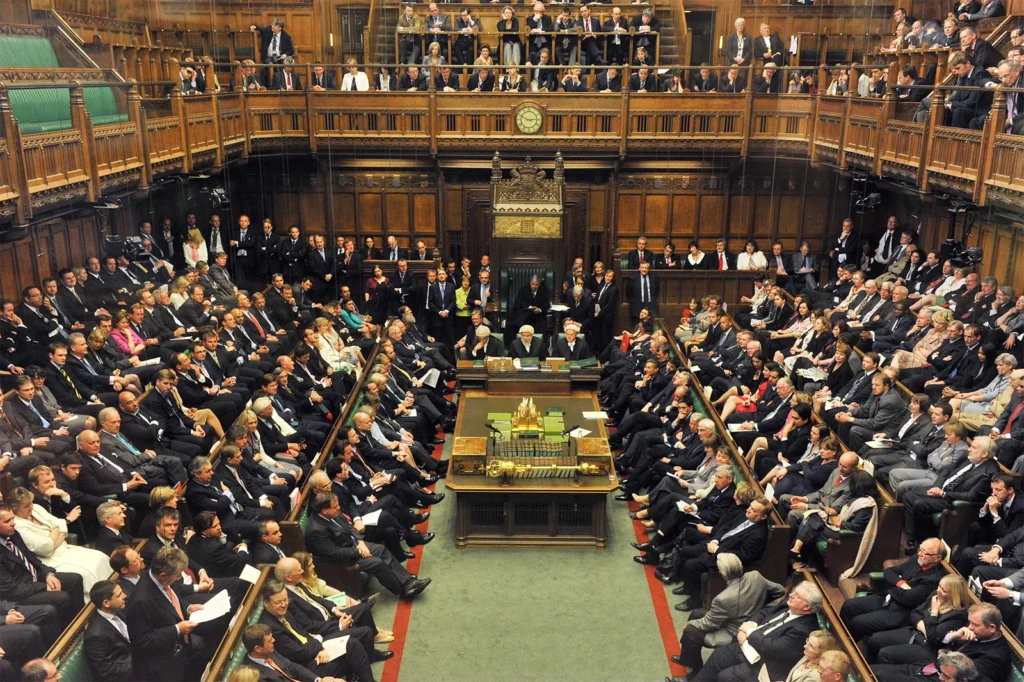
If there is a general election
- If the Prime Minister’s party wins, they remain in office.
- If another party wins, the Prime Minister resigns and the King invites the winning party’s leader to form a government.
- If no party wins a clear majority, political parties negotiate to determine who can form a government.
The resignation process
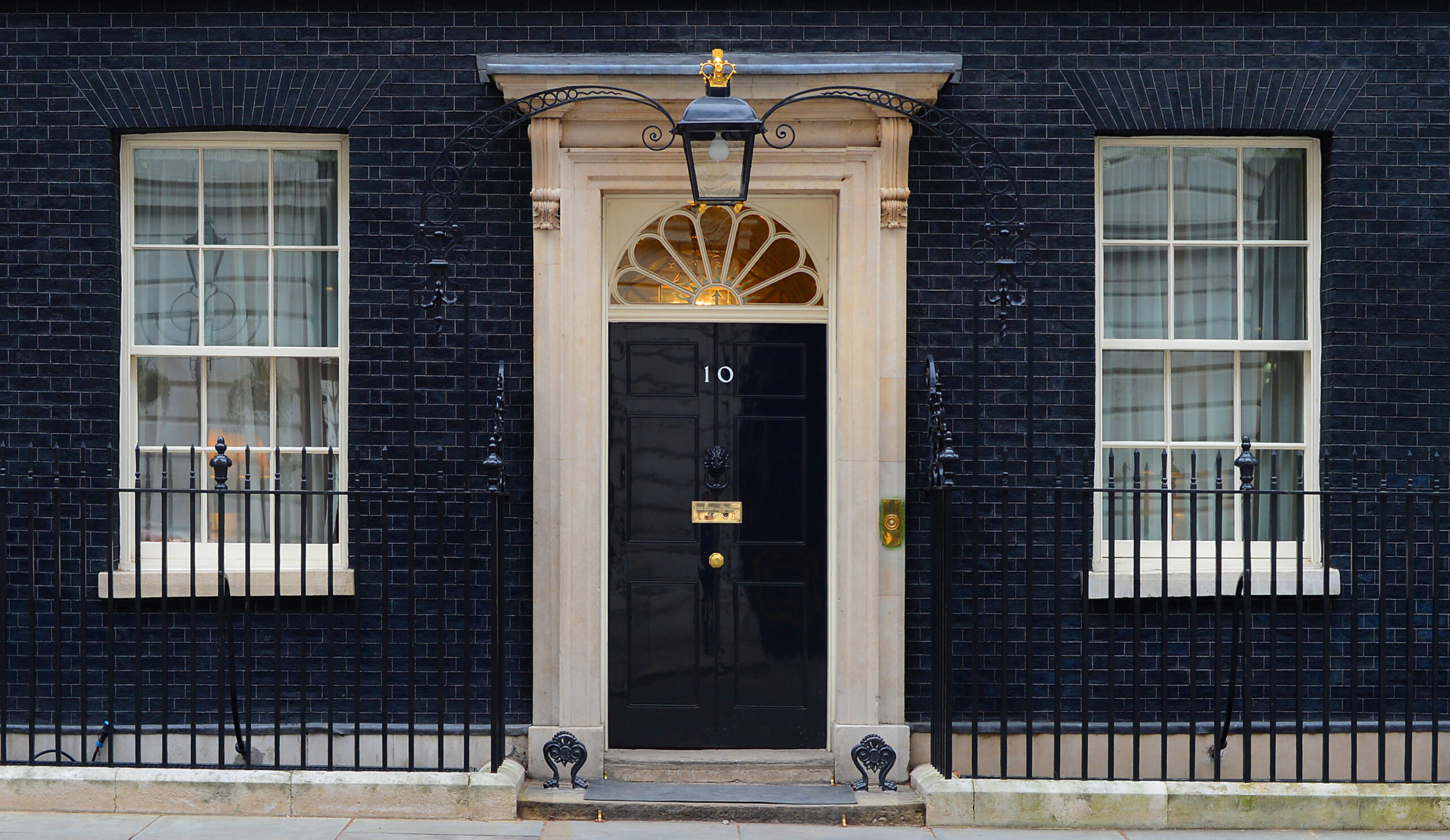
- The outgoing Prime Minister usually gives a farewell speech outside 10 Downing Street.
- They then travel to Buckingham Palace to formally offer their resignation to the King.
- The King accepts the resignation.
The appointment process
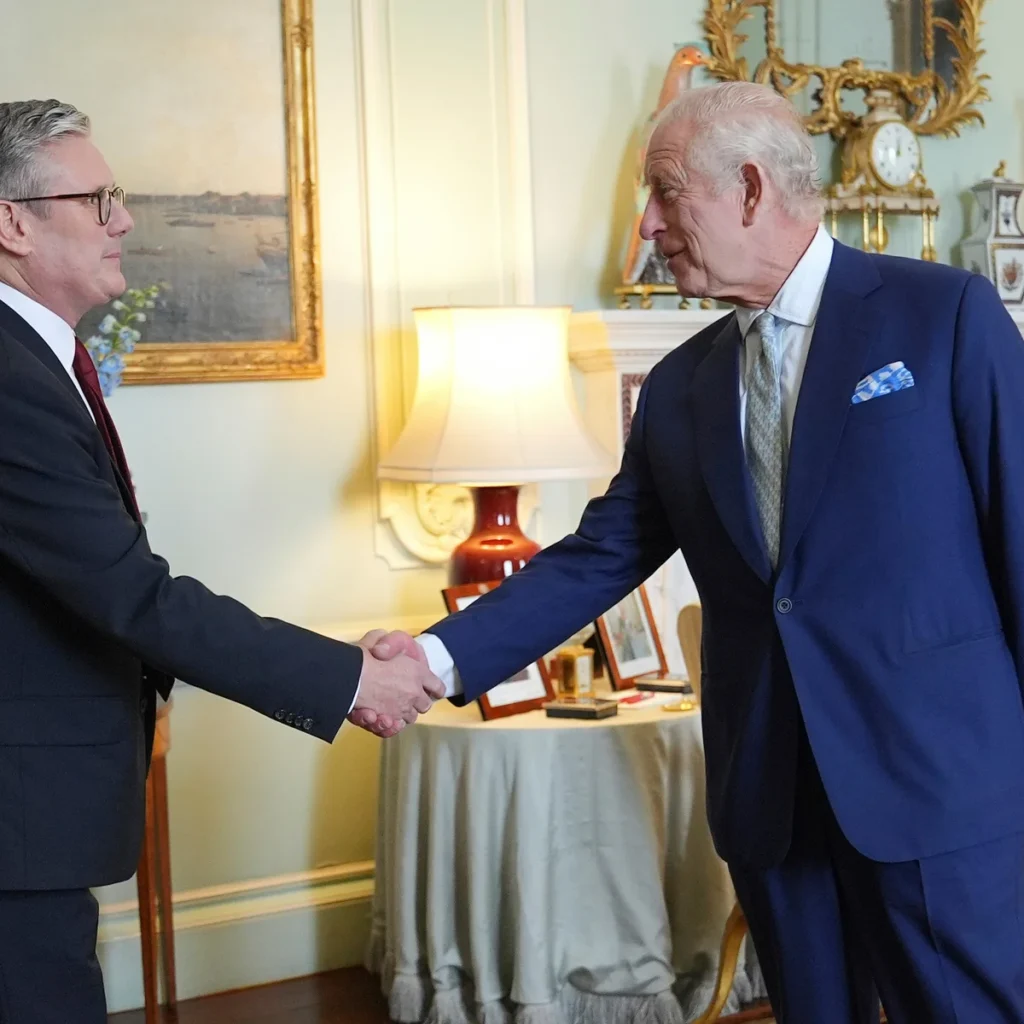
- The incoming Prime Minister is invited to Buckingham Palace.
- In a private meeting, the King asks them to form a government.
- Once they accept, they immediately become Prime Minister and First Lord of the Treasury.
- Despite the phrase “kissing hands” often being used, no actual hand-kissing takes place today. The new Prime Minister simply bows, curtsies, or shakes hands with the Monarch.
After the appointment
- The new Prime Minister leaves Buckingham Palace in the official Prime Ministerial car.
- They travel to 10 Downing Street and deliver their first speech as Prime Minister.
- They outline their priorities and begin forming their government.
In short, the King formally appoints the Prime Minister, but the choice is effectively made by the governing party or by voters in a general election. The Monarch’s role is largely ceremonial and follows constitutional convention.