

Starmer steps aside following pressure from party; Andy Burnham positioned to become seventh British leader in decade
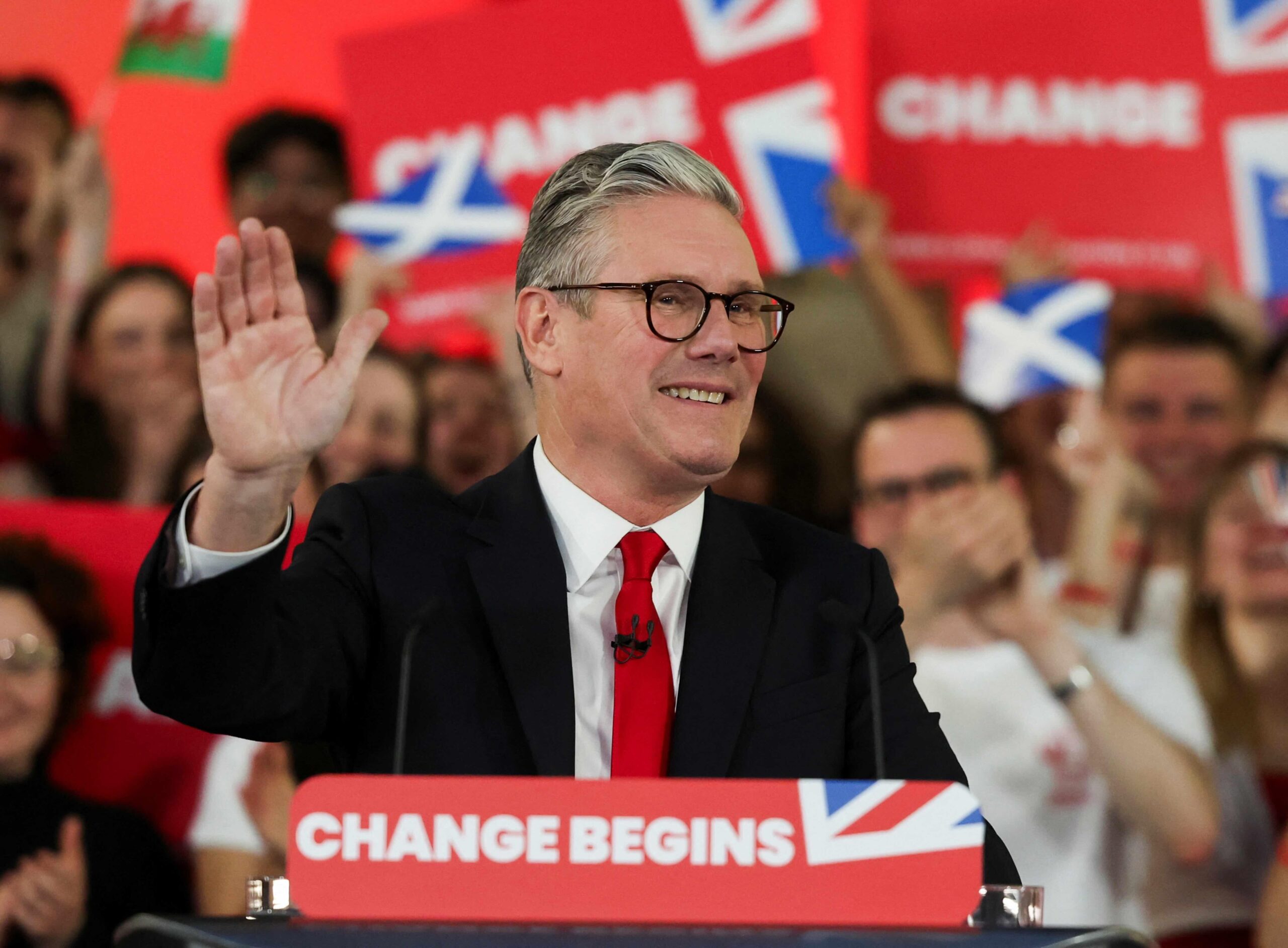
Keir Starmer announced his resignation as British Prime Minister and Leader of the Labour Party on Monday, 22 June 2026, ending months of internal party turmoil and opening the way for Andy Burnham to assume control of the country.
Starmer made the announcement in an emotional statement delivered outside 10 Downing Street, accepting the verdict of his parliamentary party with what he described as “good grace.”
“I will resign as leader of the Labour Party. I have spoken to His Majesty the King this morning to inform him of my decision,” Starmer stated in his televised address.
He said he had spoken to ministers about whether he remained the best person to lead Labour into the next general election. “I have heard the answer of my parliamentary party to that question. And I accept that answer with good grace.”
The resignation marks the end of a turbulent 22-month premiership for Starmer, who swept to power in July 2024 leading Labour to a landslide victory that ended 14 years of Conservative government. However, his popularity deteriorated significantly following heavy losses in May local elections and growing rebellion from more than 70 of his own Labour MPs demanding his departure.
Starmer will remain in his post as caretaker Prime Minister until a new leader is formally chosen by the Labour Party. The National Executive Committee of the Labour Party will open nominations for leadership on 9 July, with the process concluding by the summer recess on 16 July. A new leader will be selected by 1 September at the latest, meaning Burnham could be in post before Parliament returns in September.
Starmer’s resignation ends mounting pressure on embattled leader
The resignation announcement came after a weekend of intense speculation regarding Starmer’s political future. He had initially vowed to fight any leadership challenge, declaring he would not “walk away” and suggesting his resignation would “plunge the country into chaos.” However, his position became increasingly untenable as party colleagues concluded his time in office was over.
The crisis accelerated dramatically last Thursday when Andy Burnham, the former Mayor of Greater Manchester, won the Makerfield by-election, returning to Parliament for the first time in years. Burnham had previously left his mayoral post and publicly discussed challenging Starmer for the Labour leadership. His parliamentary victory provided the necessary platform to mount such a challenge and triggered immediate speculation about Starmer’s future.
Former Health Secretary Wes Streeting, who had previously suggested he might contest the leadership himself, endorsed Burnham on Monday morning, declaring his support for the former Manchester mayor. The swift endorsement from a potential rival significantly strengthened Burnham’s position and made his succession appear inevitable.
Resignation reflects broader challenges facing British politics
Starmer’s departure makes him the seventh British Prime Minister in a decade, underlining the political instability that has characterised British governance since the 2016 Brexit referendum. His resignation comes just under 10 years to the day since that vote that fractured the country’s political consensus.
The Prime Minister’s downfall followed a series of significant resignations from his government, including Defence Secretary John Healey and Health Secretary Wes Streeting over policy disagreements. A total of 20 ministers resigned during Starmer’s tenure in office.
Labour’s heavy defeats in May local elections proved particularly damaging to Starmer’s leadership. The results demonstrated voter dissatisfaction with his government’s performance on key issues including inflation, immigration and energy policy. Nigel Farage’s hard-right Reform UK made historic electoral gains during the same period, further undermining Starmer’s position.
An Ipsos poll published on Friday revealed that 52 per cent of the British public thought Starmer should resign as Prime Minister, whilst only 35 per cent believed he should continue in office.
Burnham positioned as successor

Andy Burnham is the overwhelming favourite to succeed Starmer as Labour leader and Prime Minister. Nicknamed the “King of the North” for his forceful advocacy for northern England during his time as mayor, Burnham has previously run for Labour leadership in 2010 and 2015 without success.
During his by-election victory speech, Burnham declared that “everyone knows that politics isn’t working” and suggested his win could represent “a final chance to change” for Labour. He called for “a new politics based on unity and hope.”
If no other serious challenger emerges to contest the leadership, Burnham could be formally elected unopposed by the Labour Party, potentially assuming office within weeks rather than months.