

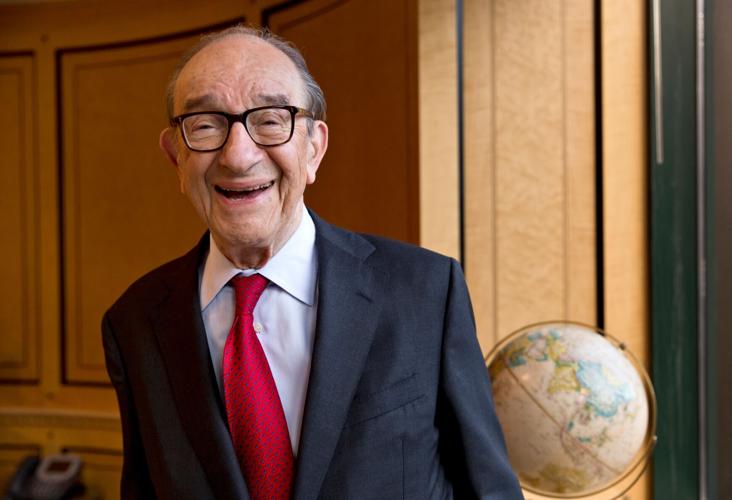
Alan Greenspan, the former chairman of the United States Federal Reserve, has died at the age of 100.
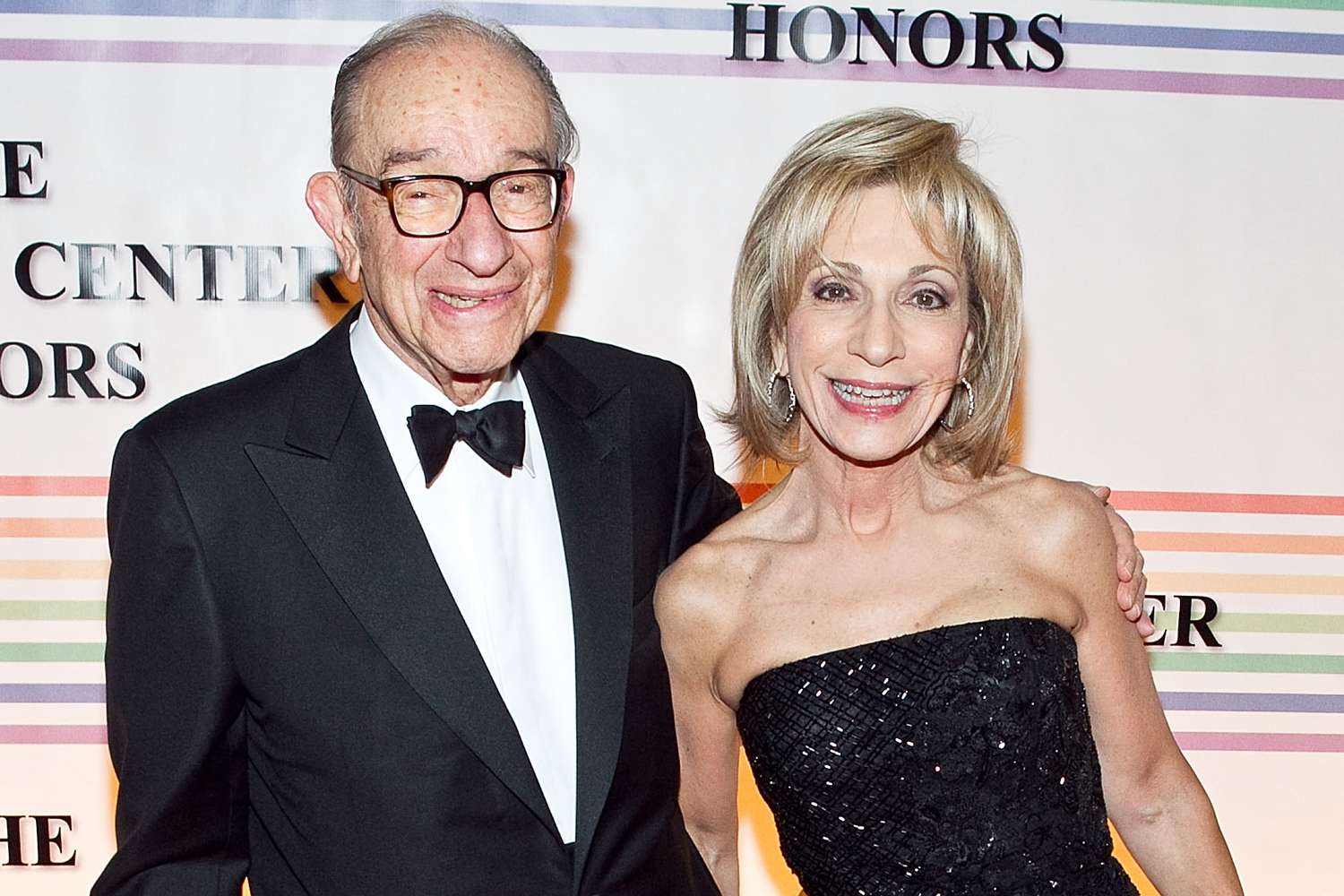
His wife, NBC journalist Andrea Mitchell, confirmed his passing in a statement on Sunday.
Mitchell said he died at their home on Sunday morning following complications related to Parkinson’s disease.
“He was a giant of a man who helped shape the U.S. economy for decades under presidents of both parties but was always honest in acknowledging his mistakes,” she said.
“To me he was my husband, who shaped my life from our very first date in 1984. He had ‘irrational exuberance’ for baseball, the Washington Commanders, tennis, golf and music, especially jazz.
“He will be remembered for his brilliance and his kindness. Being his life partner was the joy of my life.”
Greenspan was widely credited with guiding the United States through a prolonged period of economic expansion, often referred to as the “Great Moderation,” which began in the early 1990s and continued into the early 2000s. The era was marked by relatively stable inflation, steady growth, and the rapid rise of globalisation and the technology boom.
He also became globally recognised in 1996 after warning that equity markets were being driven by “irrational exuberance,” a remark that briefly unsettled financial markets at the time.
His public profile rose significantly during the stock market boom under former President Bill Clinton, when US equities reached record highs.
In 2002, Queen Elizabeth II awarded him an honorary Knight Commander of the British Empire in recognition of his “wisdom and skill” and “outstanding contribution to global economic stability”.
Shortly before he left the office in 2006 after nearly two decades at the helm of the Federal Reserve, Greenspan was awarded the Presidential Medal of Freedom by then President George Bush.
Over time, his legacy also became more debated, particularly after the 2008 global financial crisis, when critics argued that prolonged low interest rates during his tenure contributed to the build-up of risks in the US housing market.
Supporters, however, continue to credit him with helping maintain long periods of economic stability during his leadership.