


Modern dating isn’t just changing how we have sex. It’s changing what intimacy, commitment and connection mean in the first place.

“One person leaves a toothbrush behind; the other leaves a message on read.”
That, in many ways, is modern intimacy.
It usually starts innocently enough: a few late-night messages, a “What are you doing later?” that sounds casual but isn’t, and a first meet-up that stretches into breakfast. Before anyone has defined the relationship or agreed to it, two people are already sharing a level of closeness that previous generations might have associated with commitment.
Then comes the confusion.
One person assumes the connection is heading somewhere. The other insists it was never meant to. Somewhere between expectation and ambiguity lies a question that has become increasingly difficult to answer: has sex become more casual, or are we simply more honest about it than previous generations ever were?
Spend enough time in today’s dating world and you’ll hear both arguments, sometimes from the same person in the same conversation. One minute, they’ll lament how disposable relationships have become. Next, they’ll admit that at least people are no longer pretending to follow rules they never believed in.
And that contradiction may be the defining feature of modern dating.
Because in many ways, nothing about human desire has changed. What has changed is the speed, the access and the language around it.
Dating apps have stripped away much of the mystery that once surrounded meeting someone. Where previous generations relied on chance encounters, mutual friends or lengthy courtships, modern dating offers access to hundreds of potential matches within minutes. That convenience has reshaped expectations. When options feel endless, commitment can begin to feel optional.
The shift is measurable as well. While comprehensive global data remains limited, a 2023 survey by the Pew Research Center found that three in ten U.S. adults have used a dating site or app, rising to 53% among adults under 30. The same research found that one in ten partnered adults met their current spouse or partner online, increasing to one in five among partnered adults under 30. Although the findings are U.S.-based, they illustrate how technology has transformed modern dating in ways reflected across many parts of the world.
But convenience comes with its own contradictions. The same platforms that make connection easier also make it more fragile. Conversations begin quickly, intensify quickly and often disappear just as fast. For some, this creates freedom. For others, it creates confusion.
And so, sex, in this landscape, becomes harder to define. For some people, it is simply physical, an experience without emotional attachment, negotiated with clarity and consent. For others, it still carries emotional weight, even when no labels are attached. The gap between those two interpretations is where much of modern dating tension lives.
Because this is no longer just a conversation about sex. It is a conversation about meaning.
Two people can share exactly the same experience and walk away with entirely different interpretations of what happened. One sees intimacy. The other sees chemistry. One sees possibility. The other sees a pleasant evening.
The act itself is often less complicated than the expectations surrounding it.
That is why so many modern dating stories begin with attraction and end with confusion. The disagreement is rarely about what happened. It is about what it was supposed to mean.
There is also a growing sense that emotional detachment has become a kind of defence mechanism. In a culture where vulnerability can feel risky, many people prefer ambiguity. Situationships thrive in this space: relationships that exist in practice but not in definition. They offer intimacy without accountability and closeness without clarity.
Yet the phenomenon itself is not entirely new. Relationship experts argue that what has changed is not uncertainty, but the language around it. Previous generations experienced undefined relationships too; today’s generation simply has a vocabulary to describe them. Naming the experience, however, has not necessarily made it easier to navigate.
But beneath that ambiguity is something more complicated: people are not necessarily less emotional, just more cautious about showing it too early.
Social media has not helped that caution. Intimacy now exists alongside visibility. Relationships are no longer private experiences alone; they are often performed, shared or at least curated. Even the idea of being desired has taken on a public dimension. A message, a match, a like small signals that can feel disproportionately significant in a world where attention is currency.
That constant visibility can distort expectations. It creates a subtle pressure to appear desirable, even in spaces that are supposed to be personal. And when validation becomes part of the experience, sex can sometimes shift from connection to confirmation not just of attraction but of worth.
Still, it would be too simplistic to say modern dating is purely shallow or detached. In fact, there are signs that people are becoming more intentional about communication. Conversations around consent, emotional boundaries and relationship expectations are now far more common than they were a generation ago. That shift reflects a broader cultural move towards openness, even if honesty does not always guarantee compatibility. People may be communicating more clearly than before, but they are not always communicating the same expectations.
Where previous generations may have relied on assumption or silence, many people now attempt however imperfectly to articulate what they want. That shift matters. Even if it sometimes feels awkward or uncertain, it reflects a broader cultural move towards emotional transparency.

The tension, then, is not that people are dishonest, but that they are often speaking different emotional languages. One person may believe intimacy naturally implies emotional direction. Another may see it as entirely separate. Neither is necessarily wrong, but the mismatch creates friction.
Changing gender roles have added another layer to this complexity. As expectations around relationships evolve, so too do assumptions about behaviour. Women have greater autonomy in expressing desire than previous generations, while men are increasingly expected to be emotionally aware and communicative. These shifts are positive, but they are still settling into cultural norms.
In the middle of that adjustment period, misunderstandings are inevitable. What feels like openness to one person may feel like emotional uncertainty to another. What feels like independence may feel like distance.
And then there is the question of commitment itself. For many, it no longer arrives as a default next step. It is something to be actively chosen and sometimes actively avoided. Emotional self-protection has become more common, particularly in a world where people are increasingly aware of heartbreak, burnout and the emotional labour relationships can demand.
It is not that people do not want connection. It is that they are more selective about the cost of it.
So where does that leave sex in 2026?
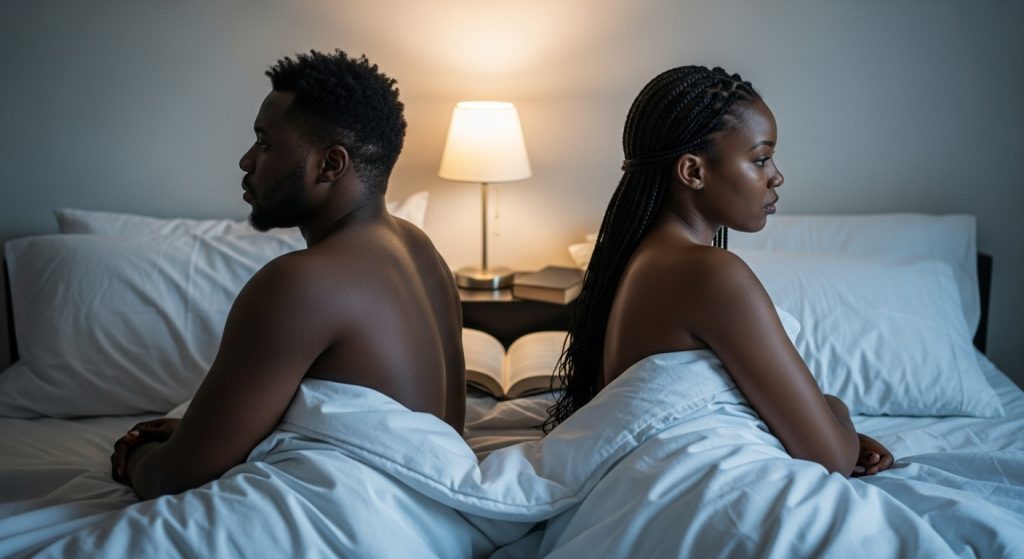
Perhaps somewhere between liberation and uncertainty.
There is undoubtedly more freedom than previous generations enjoyed. People are more willing to discuss desire, boundaries and expectations openly. Many relationships begin with conversations that would once have been considered uncomfortable or even taboo.
Yet freedom has not eliminated confusion. If anything, it has redistributed it.
The old rules may have been restrictive, but they were at least widely understood. Today’s dating culture offers greater flexibility, but far fewer shared assumptions. People are speaking more honestly than ever before, but not always from the same script.
Perhaps the biggest change is not that people value sex less or commitment less, but that there is no longer a single script for either. Every relationship now comes with its own negotiations, expectations and definitions.
That freedom can be liberating. It can also be confusing.
In the end, sex may not be getting more casual at all. What may be changing is our willingness to admit that intimacy has always meant different things to different people. The difference today is that those conversations are happening out loud.
And perhaps that is the real challenge of modern dating: not deciding whether sex should mean more or less, but making sure the two people sharing it mean the same thing when they say intimacy.