


Nigeria’s power sector has its own language, and here’s what it actually means.
Nigeria’s electricity sector is often discussed in technical terms that can be difficult for the average consumer to follow. From tariff bands and estimated billing to metering reforms and distribution losses, the language of power supply is filled with technical terms and acronyms.
This glossary breaks down the key terms shaping ongoing reforms in the Nigerian Electricity Supply Industry (NESI) and the Federal Government’s Presidential Metering Initiative (PMI).
A is for ATC&C Losses. Aggregate Technical, Commercial and Collection losses – the standard for measuring leakages in electricity distribution. Nigeria’s ATC&C losses are currently at 40 per cent; the goal is to bring this down to the global benchmark of around 20 per cent.
B is for Band. The tariff classifications under the current service-based tariff regime, which group customers according to the hours of supply they’re guaranteed daily by the electricity distribution companies (DisCos).
D is for DisCos. Nigeria’s eleven electricity distribution companies that sit at the consumer-facing end of the electricity value chain and carry the statutory obligation of metering consumers.
D is for DISREP. The World Bank-financed Distribution Sector Recovery Programme, a key component/stream of President Bola Ahmed Tinubu’s Presidential Metering Initiative (PMI).
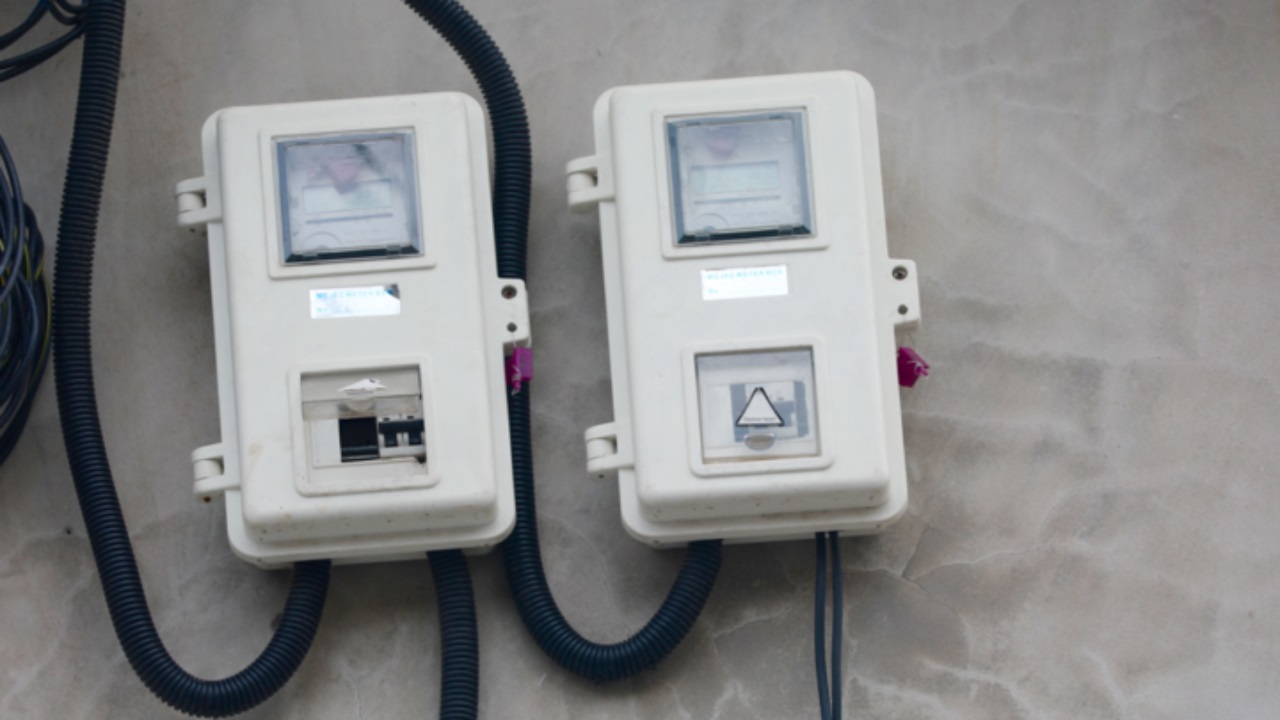
E is for Estimated Billing. The practice of charging unmetered customers on an estimated basis, widely seen as arbitrary and excessive, and the central injustice the metering reforms are designed to eliminate.
I is for Installers. The technicians who install electricity meters in homes and businesses. The Presidential Metering Initiative is training 5,000 of them under a new programme called PMI-Install.
K is for kWh. The kilowatt-hour, the unit that electricity meters measure, and the basis on which prepaid credit is sold.
L is for LMMA. The Local Meter Manufacturer or Assembler is a certified entity that locally produces and assembles electricity meters. The Presidential Metering Initiative has been designed to ensure that a minimum share of meters are sourced domestically rather than imported fully built.
M is for MAF. The Meter Acquisition Fund, a regulatory and financial intervention created by the Nigerian Electricity Regulatory Commission (NERC) to accelerate the deployment of free, prepaid electricity meters and close Nigeria’s metering gap. MAF is one of the three streams of the Presidential Metering Initiative.
N is for NERC. The Nigerian Electricity Regulatory Commission, which develops and enforces Nigeria’s metering policies and rules.
N is for NAPTIN, the National Power Training Institute of Nigeria, which is the training institution for PMI-Install’s meter installers.
N is for NESI – the Nigerian Electricity Supply Industry.
O is for OEM. The Original Equipment Manufacturers who design and build the meters. Under the Presidential Metering Initiative, Nigeria is setting and enforcing local assembly quotas and requirements.
P is for PMI. The Presidential Metering Initiative, approved by President Bola Ahmed Tinubu in November 2023 to close a metering gap estimated at around seven million. It runs through three streams: DISREP (see above), the MAF (see above), and the flagship SGDL (see below).
P is for PMI-Install, the installer-training stream of the Presidential Metering Initiative. Starting in the second quarter of 2026, five thousand (5,000) Nigerians will be trained and certified as meter installers, to help advance the implementation of the PMI.
R is for Revenue Assurance. One of the financial objectives behind metering, namely turning energy delivered into revenue collected, to ensure the viability of the electricity value chain.
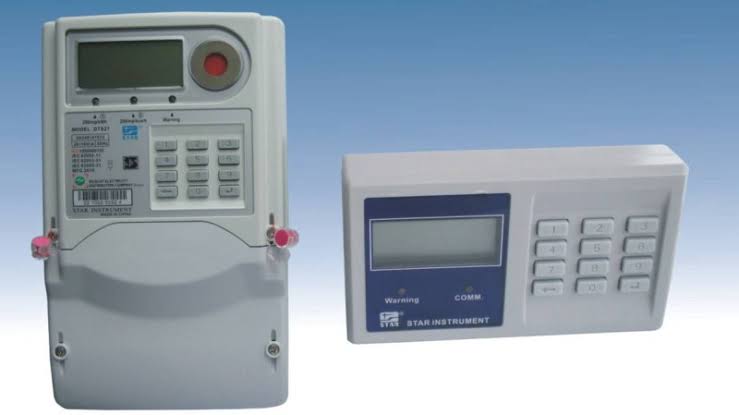
S is for Smart Meters. The data-enabled meters at the centre of the Presidential Metering Initiative (PMI), enabling remote reading, accurate energy accounting, and the collection of data that can support the rollout of targeted electricity subsidies for the most economically vulnerable Nigerians.
S is for SGDL – Smart Grid Development Limited – the special purpose vehicle established jointly between the Federal and subnational governments to implement the flagship stream of the PMI. (The company is officially known as PMI-SGDL).
T is for Test Benches. The specialised equipment fused to calibrate, verify and test the accuracy of smart electricity meters, and ensure that they operate in full compliance with industry regulations and standards.
U is for Unmetered Customers. These are the millions of Nigerians the PMI has been established to reach. Unmetered customers are at the mercy of estimated billing, which is typically arbitrary and excessive.