

Historic breakthrough agreement to reopen Strait of Hormuz, lift naval blockade, and end all military operations including Lebanon conflict
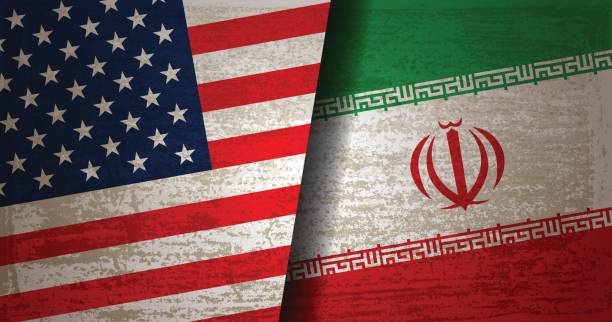
The United States and Iran have reached a landmark peace deal to end months of warfare, reopen the strategic Strait of Hormuz to global shipping, and permanently terminate military operations across all theatres of conflict.
The agreement was announced on Sunday, with an official signing ceremony scheduled for Friday, 19 June, in Geneva, Switzerland.
United States President Donald Trump announced the breakthrough deal on his Truth Social platform, to mark a major diplomatic achievement on his 80th birthday.
“The Deal with the Islamic Republic of Iran is now complete,” Trump stated.
“Congratulations to all! I hereby fully authorize the toll free opening of the Strait of Hormuz, and, simultaneously herewith, authorise the immediate removal of the United States Naval blockade. Ships of the World, start your engines. Let the oil flow!”
Pakistan’s Prime Minister Shehbaz Sharif confirmed the deal moments before Trump’s announcement, stating: “Following intensive talks, we are pleased to announce that the Peace Deal between the United States of America and the Islamic Republic of Iran has been REACHED. Both sides have declared the immediate and permanent termination of military operations on all fronts, including in Lebanon.”
Iran’s Deputy Foreign Minister Kazem Gharibabadi confirmed Tehran’s commitment to the deal, stating it would immediately end hostilities and that both nations would hold talks within two months to seek a “final agreement” on outstanding issues including Iran’s nuclear programme.
Deal includes strategic economic advantages
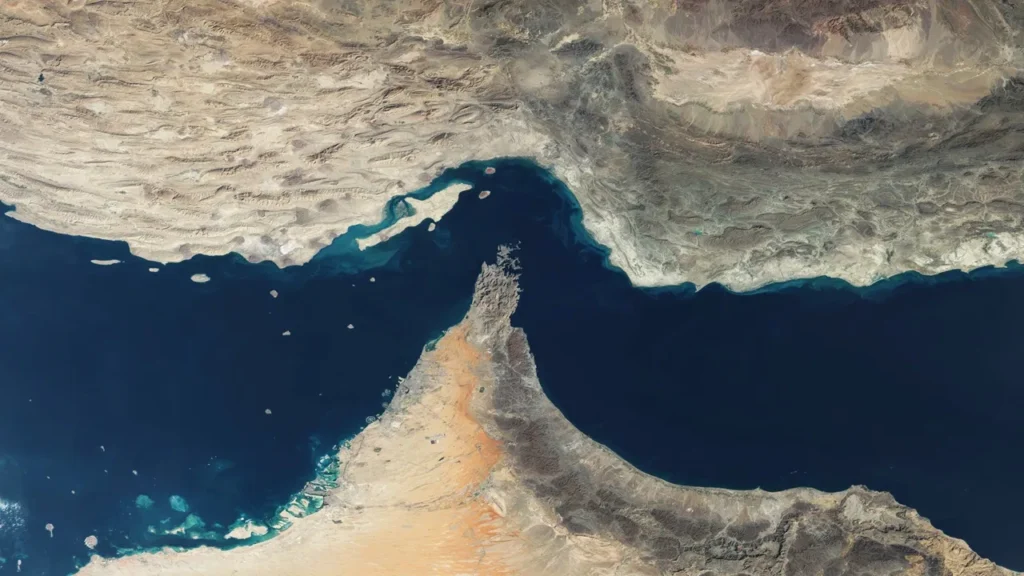
Trump emphasised that the reopening of the Strait of Hormuz represents a critical economic victory that will reduce global energy prices and inflation.
“This Great Deal will bring Peace and Security to the whole Region,” Trump posted. “With the opening of the Strait upon the signing of the Deal on Friday, for purposes of mine removal, oil will flow on both ends again for the Region, and the World!”
The blockade of the Strait of Hormuz had severely disrupted global oil supplies since the commencement of hostilities on 28 February 2026. The waterway is one of the world’s most critical shipping arteries, with approximately one-third of all globally-traded oil passing through it daily. The closure had triggered significant inflationary pressures globally, contributing to elevated petrol prices and congested supply chains for essential goods including fertiliser vital to global food production.
US Vice President JD Vance told Fox News that the deal would drive down energy costs substantially. “What we’re going to be able to do is drive down the cost of energy, not just now but for the long term, and create a real engine of prosperity in the Middle East,” Vance stated. He confirmed he would attend the Geneva signing ceremony and suggested Trump might also attend.
Deal requirements and framework structure
The landmark peace deal includes several critical components. According to Iran’s Mehr news agency, the agreement stipulates release of $24 billion in frozen Iranian assets during the 60-day negotiation period that follows the memorandum of understanding signature. The Trump administration has not publicly confirmed all details but confirmed Iran would receive approximately $12 billion in released frozen assets prior to negotiations commencing.
The deal addresses nuclear programme negotiations, with Trump indicating he would seek an Iranian suspension of uranium enrichment activities. In interviews with the New York Times, Trump indicated preference for a 20-year suspension but suggested flexibility regarding a 15-year suspension, though he stated he preferred not to negotiate terms through media channels.
The agreement fundamentally alters the military situation. Both the United States and Iran have declared immediate and permanent cessation of all military operations across all fronts, including Lebanon where Israeli operations against Iran-backed Hezbollah had threatened the ceasefire agreement multiple times.
Deal receives international support
The international community has responded positively to the landmark peace deal. United Nations Secretary-General António Guterres described it as a “critical step” towards resolving the Middle East war. The United Kingdom, France, Germany and Italy issued a joint statement expressing willingness to lift sanctions on Iran and work with all parties to achieve a long-term diplomatic settlement.
British Prime Minister Keir Starmer stated he “warmly welcomes” the agreement, calling it a “hugely important step forward in ending the war, ensuring regional stability and reopening the Strait of Hormuz.” Australian Prime Minister Anthony Albanese urged all parties to use the opportunity to pursue durable peace through dialogue and diplomacy.
Financial markets responded positively to news of the deal. Oil prices declined more than four per cent in Tokyo trading, whilst Japan’s Nikkei stock index surged three per cent, reflecting investor confidence that energy supplies would stabilise and inflation pressures ease.