

As Pride Month draws attention to LGBTQ+ experiences around the world, it also provides an opportunity to revisit a growing body of Nigerian literature that explores questions of identity, love, family and belonging.
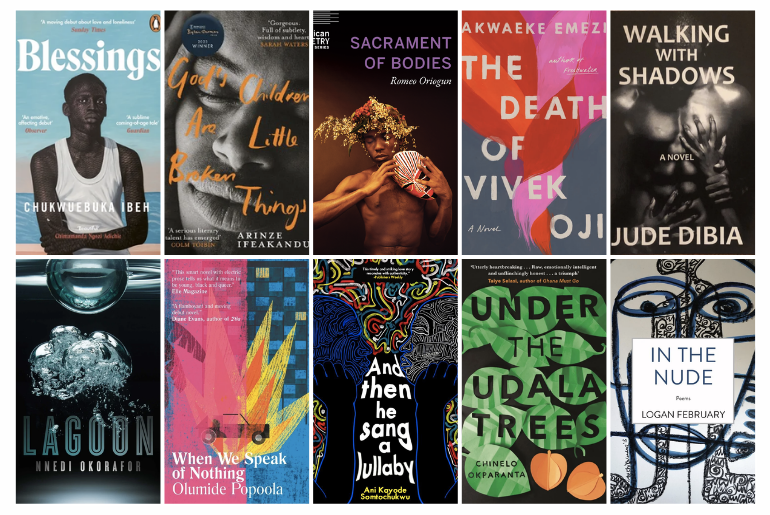
While same-sex relationships remain criminalised in Nigeria and LGBTQ+ rights continue to be a sensitive and often contested subject, LGBTQ+ identities and communities exist openly in parts of the country, and their experiences have increasingly found expression through literature.
Over the past two decades, Nigerian writers have produced a number of notable works featuring LGBTQ+ characters and experiences. Some have won major literary awards. Others have sparked important conversations about representation, culture and the role of storytelling in reflecting society.
Together, these books reflect a growing body of Nigerian literature that continues to attract readers at home and abroad.
Here are six Nigerian books worth discovering.
Walking with Shadows by Jude Dibia (2005)
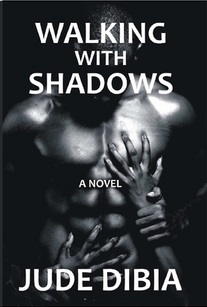
When Walking with Shadows was published in 2005, it broke new ground in Nigerian fiction.
It holds a historic place in African literature as the first Nigerian novel to feature a gay man as its central protagonist and explicitly address queer issues.
The novel follows Adrian Njoko, a successful businessman, husband and father whose life begins to unravel when a secret about his sexuality is revealed. Adrian has spent years hiding his sexuality. Born Ebele Njoko, he reinvented himself in pursuit of the acceptance and approval expected by society and family. Adrian’s carefully constructed world shatters when a vengeful colleague outs him to his family, friends, and employer.
The novel chronicles the intense fallout from this exposure, forcing Adrian to choose between continuing to hide in the “shadows” or accepting the harsh reality of social alienation, prejudice, and potential abandonment by those he loves.
Nearly two decades after its release, the novel remains one of the most widely discussed books on LGBTQ+ representation in Nigerian literature.
Under the Udala Trees by Chinelo Okparanta (2015)
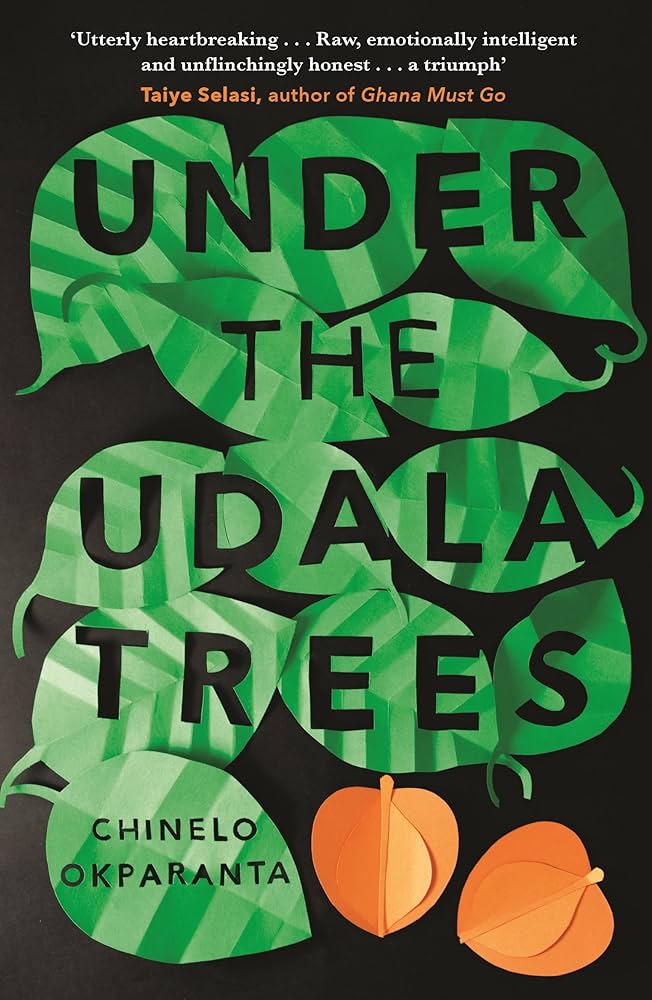
This debut novel by Nigerian-American author Chinelo Okparanta, set during and after the Nigerian Civil War, Under the Udala Trees tells the story of Ijeoma, a young Igbo girl who falls in love with another girl while displaced by conflict.
As she grows older, she struggles to balance her feelings with the expectations of her family, faith and a deeply conservative society. Through Ijeoma’s journey, the novel explores themes of love, religion, identity and self-acceptance.
The book won the Lambda Literary Award for Lesbian Fiction in 2016.
Lives of Great Men: Living and Loving as an African Gay Man by Chike Frankie Edozien (2017)
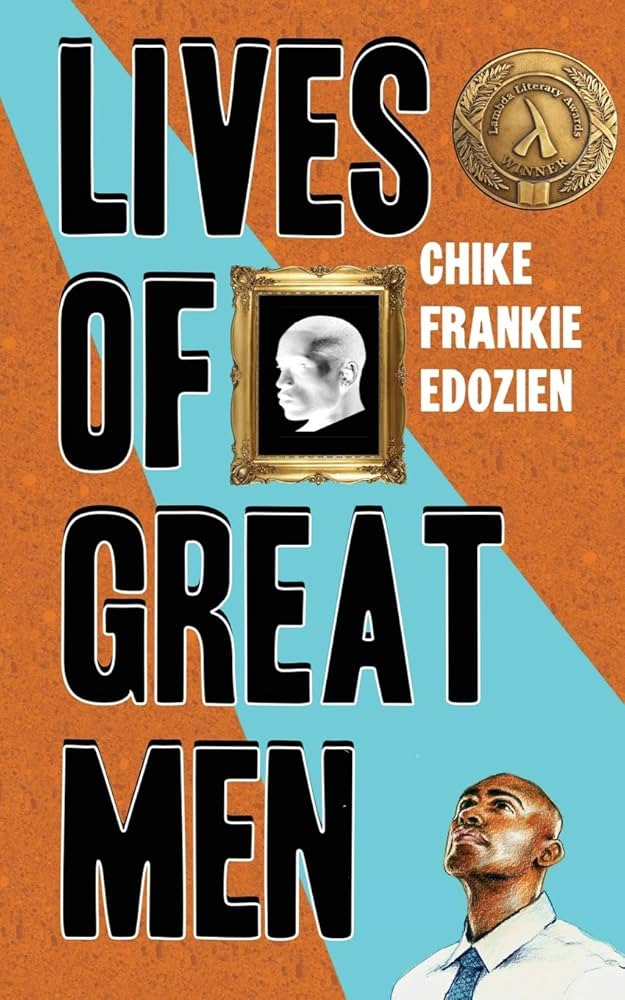
Unlike the other titles on this list, Lives of Great Men is a memoir.
The memoir offers a series of personal stories about love, friendship, identity and belonging among gay Africans living in different parts of the world.
Journalist Chike Frankie Edozien reflects on his experiences growing up and living as a gay Nigerian man. Moving between Nigeria, the United States and other parts of the world, he shares stories about family, friendship, acceptance and self-discovery.
Part memoir and part social commentary, the book offers readers a personal perspective on issues often discussed only in the abstract.
The Death of Vivek Oji by Akwaeke Emezi (2020)
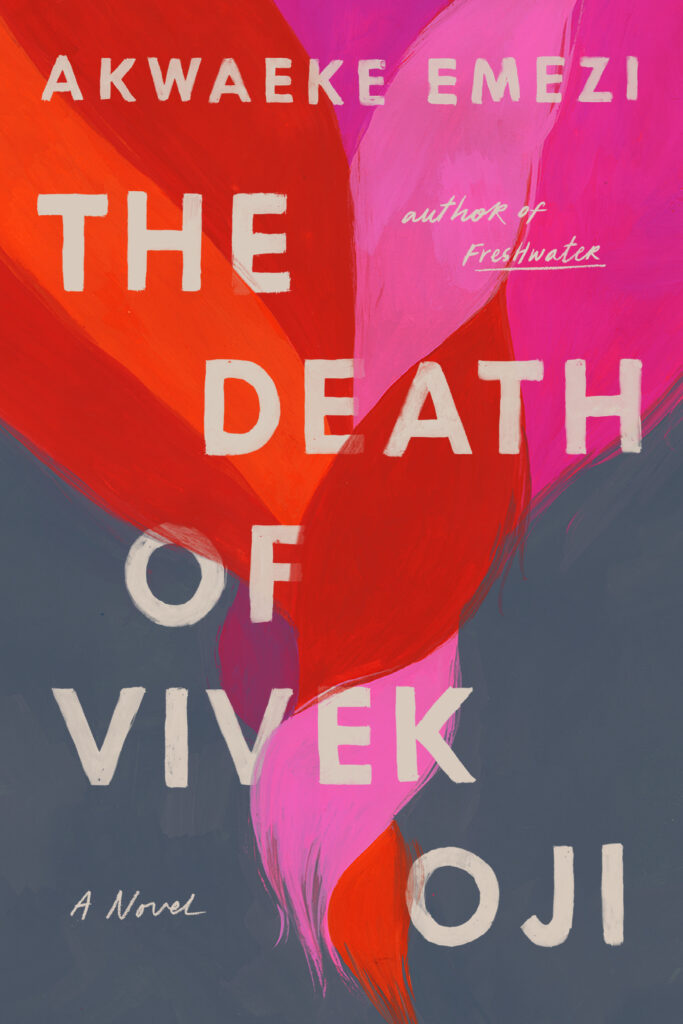
The novel explores grief, family secrets and questions of identity through the life of its protagonist, Vivek Oji. The narrative examines how a tight-knit family and community struggles to understand a child they never truly knew.
The story opens with the discovery of Vivek’s body outside his family home. From there, the novel then loops backward and forward in time, piecing together Vivek’s life, his sudden blackouts, and the tragic circumstances surrounding his death.
Blending mystery with a coming-of-age story, the book explores identity, belonging and the challenges faced by those who do not fit neatly into society’s expectations.
God’s Children Are Little Broken Things by Arinze Ifeakandu (2022)
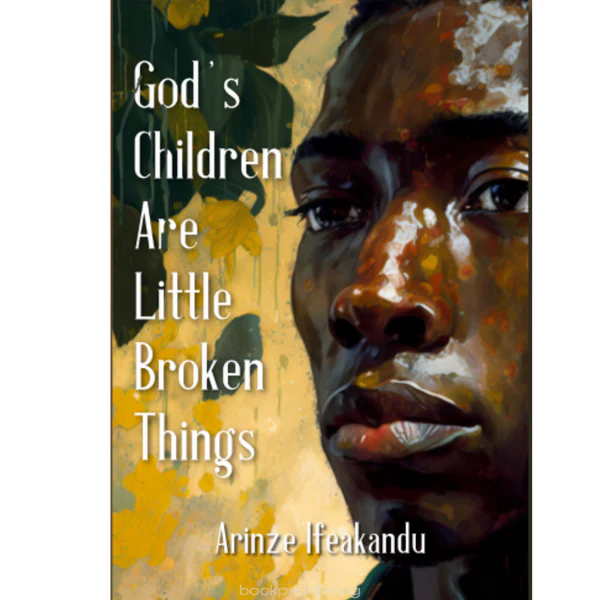
This award-winning collection of short stories focuses on queer Nigerians navigating love, friendship, family and loss.
The nine stories explore the complexities of queer male love, intimacy, and identity within contemporary Nigeria.
The nine stories explore love, intimacy, friendship and identity in contemporary Nigeria.
Set in different places and circumstances, the stories capture both the joys and difficulties of everyday life. Rather than focusing solely on struggle, Ifeakandu pays close attention to the small moments of connection, hope and tenderness that shape his characters’ lives.
The collection won the prestigious 2023 Dylan Thomas Prize, the inaugural Republic of Consciousness Prize, and established Ifeakandu as one of the leading voices in contemporary African literature.
And Then He Sang a Lullaby by Ani Kayode Somtochukwu (2023)
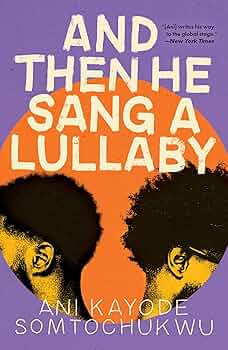
This book made headlines as the inaugural title for Roxane Gay Books, a prominent publishing imprint
Ani Kayode Somtochukwu’s debut novel follows August and Segun, two young men whose relationship develops within a society that remains deeply hostile to same-sex relationships.
Against the reality of systemic homophobia and the passage of the Same Sex (Marriage) Prohibition Act in Nigeria, the novel follows two very different university students in Enugu State who fall in love.
At the centre of the story are August, a deeply religious track star struggling with the loss of his mother and the weight of family expectations, and Segun, an openly gay and politically outspoken student who refuses to hide who he is. As anti-gay violence intensifies, their relationship is pushed to its limits, forcing them to confront difficult choices about love, survival and freedom.
The novel explores the tension between personal freedom and social expectations while telling a deeply human story about love.
Why These Books Matter
Literature has long served as a mirror of society, reflecting both its realities and its contradictions. These books contribute to that tradition by presenting stories and perspectives that have not always been visible in mainstream Nigerian publishing.
Whether readers approach them out of literary curiosity or an interest in contemporary Nigerian writing, they offer insight into themes that extend beyond identity alone. Questions of family, faith, belonging, acceptance and human connection run through each of these works.
Whatever readers’ views on the issues they raise, these books have secured a place in contemporary Nigerian literature. Together, they reflect the growing range of stories being told by Nigerian writers and the enduring power of books to spark conversation, reflection and understanding, reflection and understanding.