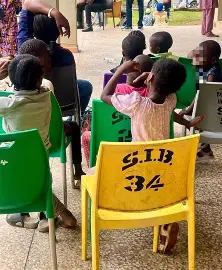



Twelve years after the abduction of 276 schoolgirls from Government Secondary School, Chibok, the tragedy continues to highlight a deeper national failure — Nigeria’s inability to accurately document its own crises.
Speaking in an interview with TheDailyCircular, Bukky Shonibare, a leader in the Bring Back Our Girls movement, said the incident exposed critical gaps in how Nigeria captures and responds to data.
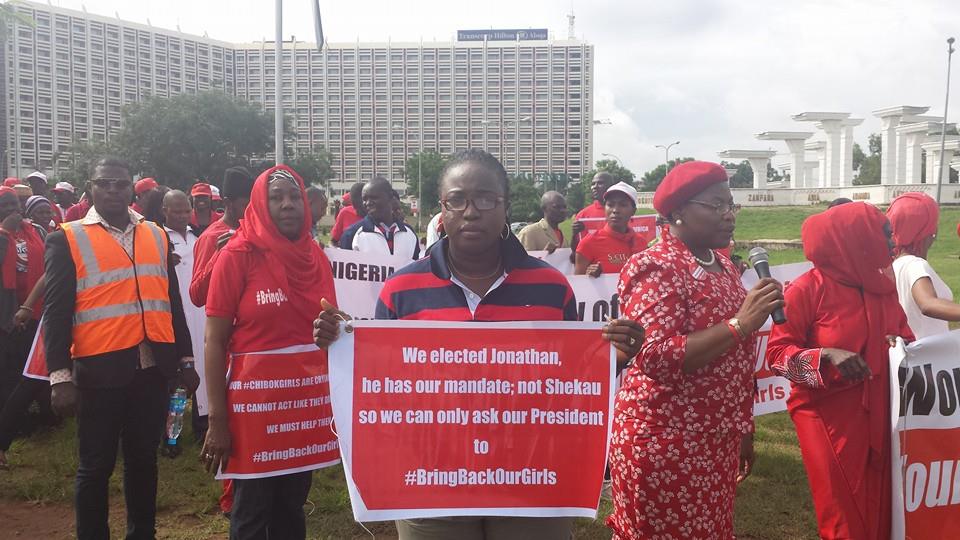
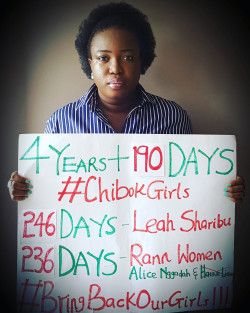
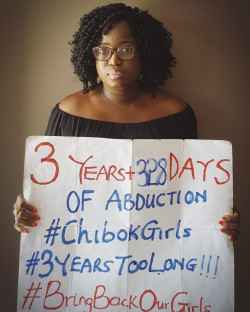
“One thing that we saw first was denial of that abduction,” she said. “But when it eventually was acknowledged that there was abduction, we didn’t have the numbers — the exact number of girls that had been abducted.”
According to her, it was only after data was collected within Chibok and surrounding communities that the figure of 276 emerged.
“Two hundred and seventy-six became the rallying point for us… most importantly, it told us the scale of the problem,” she said.
Shonibare, who is now Executive Director of Invictus Africa, explained that the experience shaped her organisation’s shift towards data-driven advocacy.
“At the heart of gender and human rights issues, one thing is missing: data,” she said.
Originally founded as Girl Child Africa, the organisation transitioned to Invictus Africa during the COVID-19 pandemic to broaden its focus beyond girls to more marginalised and underserved populations.
More than a decade later, Shonibare said the underlying data problem remains unresolved, particularly at sub-national levels.
“We hear one in three women… at the national level. But what is happening in Abia State? What is happening in Kaduna State? What is happening in Ebonyi?” she said.
She also raised concerns about whose experiences are captured, noting that data often excludes rural communities and vulnerable groups.
“A lot of times when data is collected, it is usually… among people who we can easily reach. But But what happened to the Akara seller in that community who also has a voice, who is also being abused? What happened to that girl in that community that she has to walk long distance, and she needs to amplify the problem of school bus that should be available?
What happened to that boy in a community where he’s constantly being abused, maybe by his teacher or somebody that we don’t even know, and he cannot talk about it? What happened to persons with disabilities who cannot be reached or who cannot see or who cannot hear? Who is capturing their voices in data, and how is data amplifying their issues?,” she asked.
Through its Womanity Index, Invictus Africa assesses how states respond to gender-based violence across key areas including laws, justice, services, and funding. While she noted growing adoption of data by some states, she said overall progress remains slow.
“Data has shown that as we are, it’s still going to take us about a hundred years for us to achieve gender equality,” she said.
Reflecting on her personal experiences with gender-based violence, Shonibare said the lack of data once made it difficult to fully grasp the scale of the issue.
“I knew… that we were many. Just that I didn’t have the numbers, and I didn’t have the name,” she said.