



The Central Bank of Nigeria (CBN) has introduced new Bank Verification Number (BVN) guidelines set to take effect from May 1, 2026, aimed at strengthening identity security and reducing fraud in the banking system. Here are 8 key changes Nigerians must know.
If you have a Nigerian bank account, this is an update you shouldn’t ignore.
The new framework introduces stricter controls on BVN-linked data, including limits on phone number changes and tighter verification processes, prompting Nigerians to update and secure their banking records ahead of the deadline.
8 BVN RULES YOU NEED TO KNOW BEFORE MAY 1, 2026
1. One-Time Phone Number Change Rule
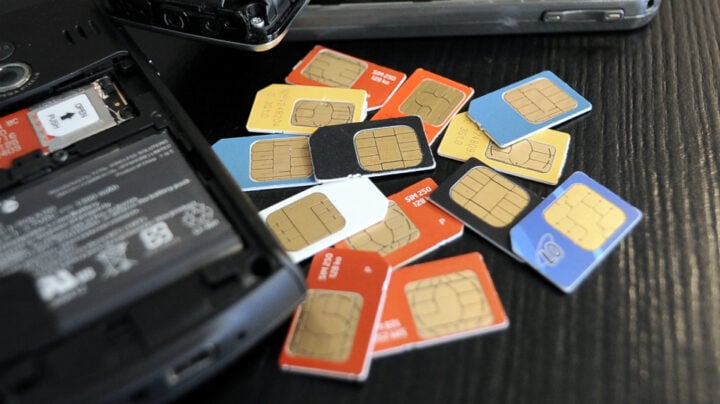
Nigerians will only be allowed to change the phone number linked to their BVN once in a lifetime.
That phone number is tied to OTPs (one-time passwords), Transaction alerts and Account recovery.
The policy is aimed at curbing increasing cases of SIM-swap fraud, where criminals hijack phone numbers to access bank accounts. Customers are advised to link their BVN to a secure, long-term phone number, preferably one already associated with their National Identification Number (NIN).
2. Mandatory Age Requirement (18+)
The CBN has fixed 18 years as the minimum age for BVN enrollment, meaning minors will no longer be eligible to hold independent BVNs.
This change aligns BVN with legal identity standards and removes minors from direct participation in the BVN system; this means children will need to operate through guardian-controlled accounts instead.

3. Transaction Capping (New devices will have a ₦20,000 transaction limit for the first 24 hours).
Under the updated framework, your account will be subject to a temporary transaction cap whenever you log in on a new device.
Customers activating their banking apps on a new device will face a temporary transaction limit of ₦20,000 within the first 24 hours as a safeguard against potential unauthorised access during setup, and the amount that can be moved is limited.

4. Temporary Fraud Watchlist System
Banks are now required to place BVNs linked to suspicious activity on a temporary 24-hour watchlist, during which affected accounts may be restricted or frozen pending customer verification.
5. Mobile banking will be limited to one device
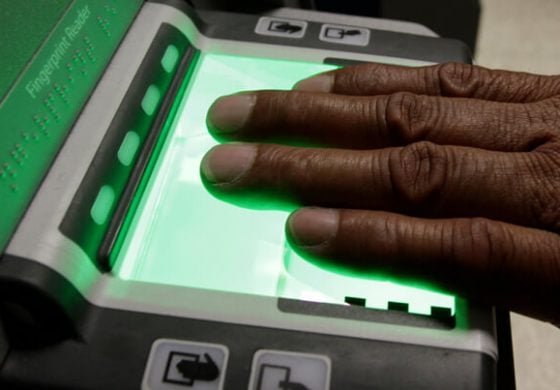
Mobile banking apps will now be limited to a single device at a time. Logging into your banking app on a new device will automatically deactivate access on the previous one; then you’ll need to verify your identity to regain access.
If you decide to switch smartphones or reinstall your banking app, you should expect additional authentication checks, possible temporary restrictions, and brief delays before your account will be restored.
6. Restricted Access to Your BVN Database
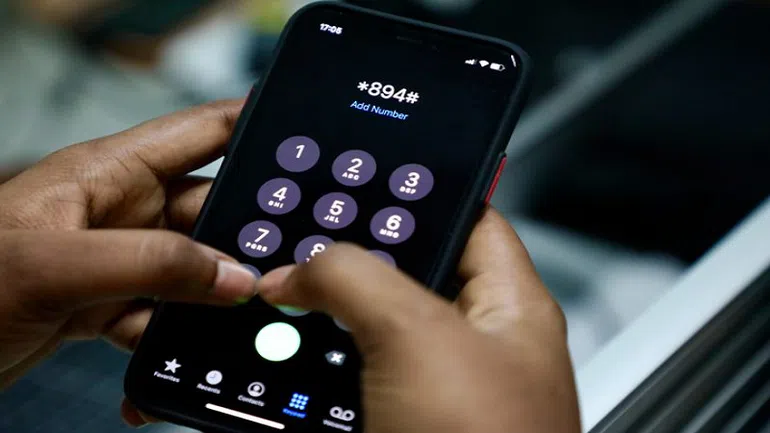
Only CBN licensed financial institutions can access BVN data, except in special cases.
The CBN is tightening control over who can access your BVN data. Access will be strictly regulated and monitored. With this, resolving BVN-related issues may now involve more formal procedures.
7. Stricter Identity Verification Rules
Under this framework expect more rigorous Know Your Customer (KYC) checks linked to BVN records across all banks.
8. Accounts linked to flagged BVNs can be frozen
Flagged BVNs may face temporary transaction delays while verification is carried out.
What You Should Do Before May 1
Take proactive steps to avoid issues:
- Make sure your BVN-linked phone number is active, secure and permanently yours
- If you must change your phone number, do so before the deadline.
- Ensure their BVN and Bank details are accurate.
- Be prepared for stricter login processes when switching phones or reinstalling banking apps.