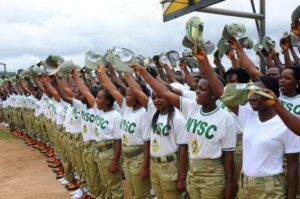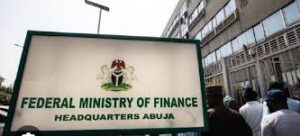


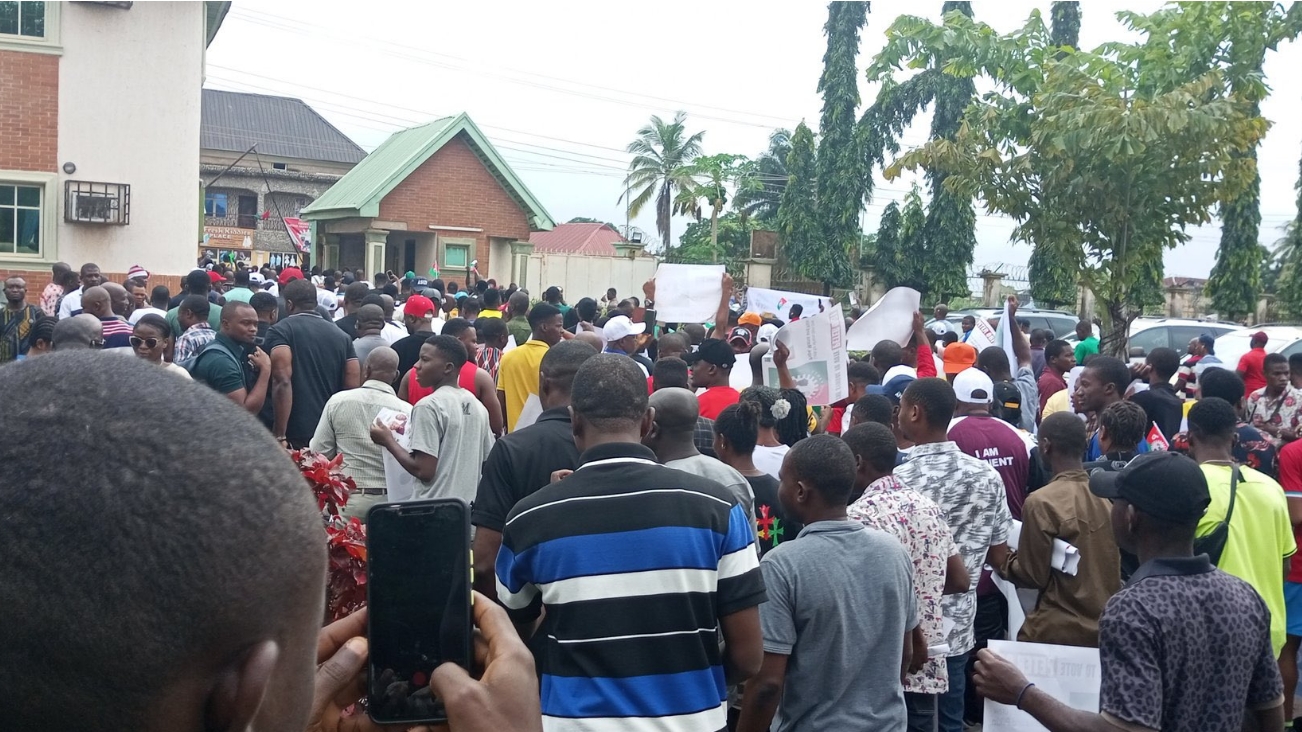
The JNPSNC ordered workers across the federal, state and local governments to withdraw their services until Sunday over unmet demands on fuel prices and wages.
Public servants across Nigeria have commenced a three-day warning strike over the Federal Government’s failure to address demands for lower petrol prices, an immediate wage award and negotiations for a new national minimum wage.
The industrial action, directed by the Joint National Public Service Negotiating Council (JNPSNC), began at midnight on Friday, October 2, and is scheduled to end on Sunday, October 4.
The council represents eight public-sector unions, including the Nigeria Civil Service Union, Medical and Health Workers Union, Association of Senior Civil Servants of Nigeria and National Association of Nigerian Nurses and Midwives.
In a circular dated October 1 and signed by JNPSNC National Secretary Gbenga Olowoyo, the council directed public servants at federal, state and local government levels to participate in the warning strike.
The action followed the Federal Government’s failure to address demands contained in a September 21 letter to President Bola Tinubu.
Why public servants are on strike
The unions are demanding that the Federal Government take steps to reduce petrol prices to N500 per litre, approve an immediate wage award and begin negotiations for a new national minimum wage ahead of 2027.
The council had given the government until September 30 to respond to the demands, warning that failure to do so would trigger the three-day industrial action.
It had also urged the President to address the issues in his Independence Day broadcast on October 1. However, the workers said Tinubu’s address did not provide the specific relief they had demanded, prompting the council to proceed with the strike.
The JNPSNC said the proposed reduction in petrol prices could be supported through measures including an intervention fund to address landing costs and appropriate crude supply arrangements for domestic refineries.
It also called for the immediate constitution of a tripartite committee to negotiate a new national minimum wage that would take effect in 2027. The council has proposed a minimum wage of not less than N500,000 from 2027.
Workers cite worsening economic pressure
The unions said the action was driven by what they described as worsening economic and mental hardship among workers and other Nigerians.
The demand comes as the cost of living remains a major concern despite a moderation in headline inflation.
The National Bureau of Statistics reported headline inflation at 15.39 per cent in August 2026, while food inflation stood at 19.57 per cent.
Petrol prices have also risen substantially from the levels that followed the introduction of the N70,000 minimum wage in 2024. Recent reports put pump prices at around N1,400 or more per litre in major cities, with higher prices reported in some locations.
The JNPSNC said the increase in transport and other costs was placing pressure on workers, their dependants and vulnerable Nigerians.
“The economic and mental hardships are becoming unbearable and frustrating,” Olowoyo said in the circular.
The council urged its affiliate unions and their members to ensure compliance with the warning strike across the three tiers of government.
Strike adds pressure to wage review
The industrial action also adds pressure to the wider debate over Nigeria’s N70,000 minimum wage, which was introduced in 2024.
The JNPSNC wants negotiations for a new wage to begin ahead of the next statutory review, arguing that an early start would prevent administrative delays between negotiations, legislation and implementation.
The council’s demand for a N500,000 minimum wage is separate from the immediate wage award it wants the government to approve as a short-term measure to cushion workers against rising costs.
The three-day action is therefore centred on three related but distinct issues: reducing petrol costs, providing immediate wage relief and beginning negotiations for the next national minimum wage.
The warning strike is scheduled to end on Sunday, but its impact and any response from the Federal Government could shape the next phase of discussions between the government and public-sector unions.