

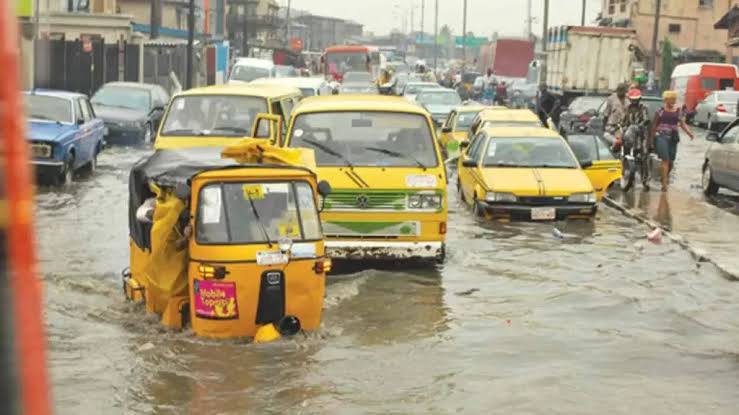
Every rainy season, the story of floods in Nigeria repeats itself. The skies open up, the drains overflow, and in a matter of hours, streets transform into rivers. Cars stall in waist-deep water, people wade through flooded compounds clutching whatever they can save, and businesses count their losses. For many Nigerians, flooding isn’t a rare disaster, it’s an annual ritual that tests patience, property, and sometimes, lives.
While the government continues to grapple with drainage infrastructure and urban planning, the truth is that floods are not going away anytime soon. Here are five practical ways to protect yourself and your loved ones this flood season:
1. Stay informed before the floods hit

Knowledge is your first line of defense. Pay attention to weather forecasts from NiMet (Nigerian Meteorological Agency) and flood alerts issued by state governments.
Heavy rainfall warnings often come days in advance, giving you time to prepare rather than react. Follow local news, join community WhatsApp groups, and keep an eye on social media channels that share real-time flood updates for your area. If you live in a known flood-prone zone, treat every heavy rainfall warning seriously, not as routine noise.
2. Elevate and protect your valuables from floods early

Don’t wait until water is at your doorstep to start moving things. As soon as the rains intensify, raise electronics, important documents, furniture, and food items off the floor and onto higher shelves or upper floors if possible.
Keep valuables like certificates, passports, and cash in waterproof bags or containers. If you own a generator or electrical appliances on the ground floor, consider relocating them temporarily. A little preparation here can save you from devastating losses when the water finally recedes.
3. Never attempt to drive or walk through floods
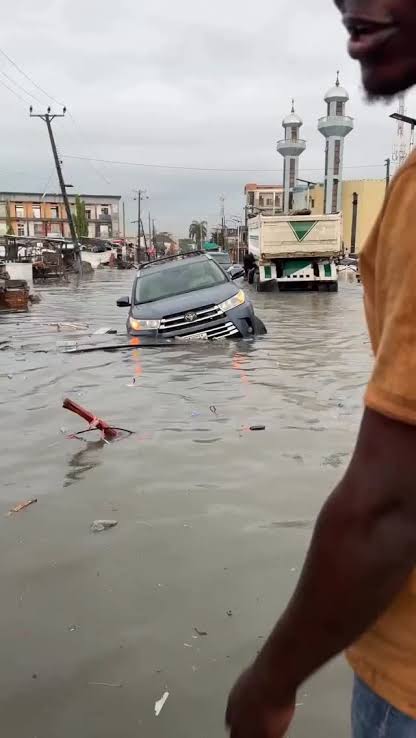
This is one of the deadliest mistakes people make. Floodwater can be far deeper and stronger than it looks, hiding open manholes, sharp debris, and powerful currents capable of sweeping away a car or a person.
Just a foot of moving water can knock an adult off balance, and two feet can carry away most vehicles. If you encounter a flooded road, turn back and find another route, even if it means a longer journey. Your safety is worth more than the few minutes you’d save.
4. Have an emergency kit ready for floods at all times
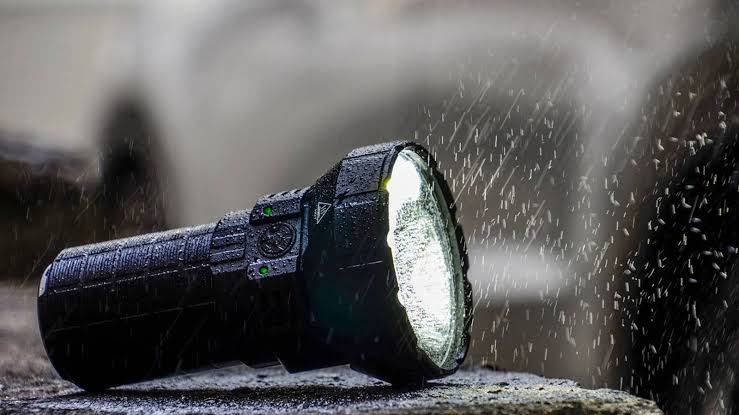
A well-stocked emergency kit can make the difference between panic and preparedness. Your kit should include clean drinking water, non-perishable food, a flashlight with extra batteries, a first aid kit, important phone numbers, a power bank, and any necessary medications. Keep this kit somewhere easily accessible, not buried in a flood-prone storeroom. During an actual flood emergency, you won’t have time to go hunting for supplies, you’ll need to grab and go.
5. Know your evacuation plan and safe zones
Every household should have a clear plan for where to go if floodwaters rise dangerously. Identify the nearest elevated ground, safe zone, or relative’s home outside the flood zone, and make sure everyone in your family knows the plan, including children. Keep emergency contact numbers for agencies like NEMA, LASEMA and local responders saved in your phone. If authorities issue an evacuation order, don’t hesitate or try to “wait it out”, leaving early, while routes are still passable, is far safer than leaving at the last minute.
Flooding in Nigeria may be an unwelcome yearly visitor, but how it affects you doesn’t have to be left to chance. By staying informed, securing your valuables early, avoiding floodwater on foot or by car, keeping an emergency kit ready, and knowing your evacuation plan, you put yourself several steps ahead of disaster.