


Privacy breach: Nollywood actor sues INEC and Wike’s aide over unlawful disclosure of voter registration data; seeks court order to retract posts
Nollywood actor Emeka Ike has instituted a lawsuit against the Independent National Electoral Commission (INEC) and Lere Olayinka, media aide to the Federal Capital Territory Minister Nyesom Wike, demanding N10 billion in damages over the alleged unauthorised disclosure of his voter registration information.
The suit, marked FHC/ABJ/CS/1272/2026, was filed before the Federal High Court in Abuja on 15 June 2026.
The legal action follows the circulation of screenshots on social media in May showing details of Ike’s voter registration transfer from Imo State to the Federal Capital Territory. Olayinka posted the information whilst questioning Ike’s eligibility to contest a House of Representatives seat in Abuja, claiming the actor had only transferred his voter registration 15 days before announcing his political ambitions.
Through his counsel Leonard Adeh, Ike contends that the publication of his personal voter data without consent constitutes a gross violation of his constitutional right to privacy and protections guaranteed under Nigeria’s data protection laws.
The actor argues that Section 37 of the 1999 Constitution, Article 12 of the Universal Declaration of Human Rights, and Sections 24 and 39 of the Nigeria Data Protection Act 2023 explicitly protect his privacy rights.
Privacy violation highlights broader concerns
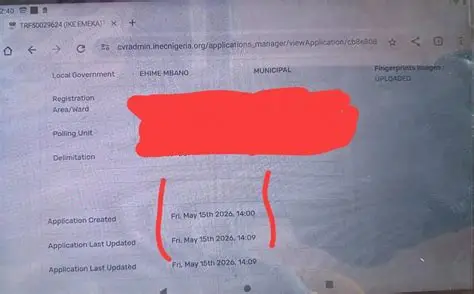
Ike’s legal team argues that the disclosure reveals how unauthorised personnel can access restricted INEC administrative portals with impunity. The actor described the incident as “shocking” and “the height of political rascality” during a media appearance, emphasising that it demonstrates widespread disregard for citizens’ fundamental rights.
INEC responded to the controversy by stating its database was not hacked externally. Rather, the commission attributed the unauthorised disclosure to misuse of valid internal credentials by authorised personnel. The electoral commission subsequently initiated investigations alongside the Department of State Services (DSS) and the Force Intelligence Department Intelligence Response Team (FID-IRT).
Privacy rights claims in court documents
In the suit, Ike asks the court to declare that Olayinka’s publication of his voter data “amounts to gross breach and violation of the applicant’s fundamental right to privacy and the protection of personal data.” He further requests that INEC be declared jointly liable with Olayinka for failing to adequately protect voter information.
Ike demands that Olayinka immediately remove the offensive posts from his X handle and publish a written apology across the platform and three national newspapers—The Punch, The Nation and This Day—for two consecutive weeks. The widespread publication requirement aims to ensure the apology receives similar visibility to the original breach.
The actor also seeks N10 billion in aggravated and general damages against both respondents for the privacy violation and unlawful exposure of his personal electoral data.
Privacy protection standards and legal precedent
The case raises critical questions about data protection standards in Nigeria’s electoral system and governmental accountability for safeguarding citizen information. The suit will test the enforceability of privacy rights under Nigeria’s recently enacted Data Protection Act 2023.
The incident has sparked broader public debate about the protection of voter registration data, institutional security at INEC and whether government officials should face consequences for accessing and disclosing restricted information.
The Federal High Court’s determination of this case is expected to establish important precedents regarding privacy rights enforcement in Nigeria and the liability of electoral and governmental bodies for data protection failures.