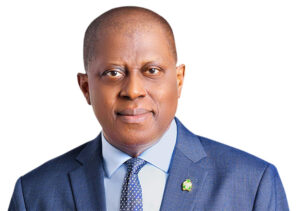


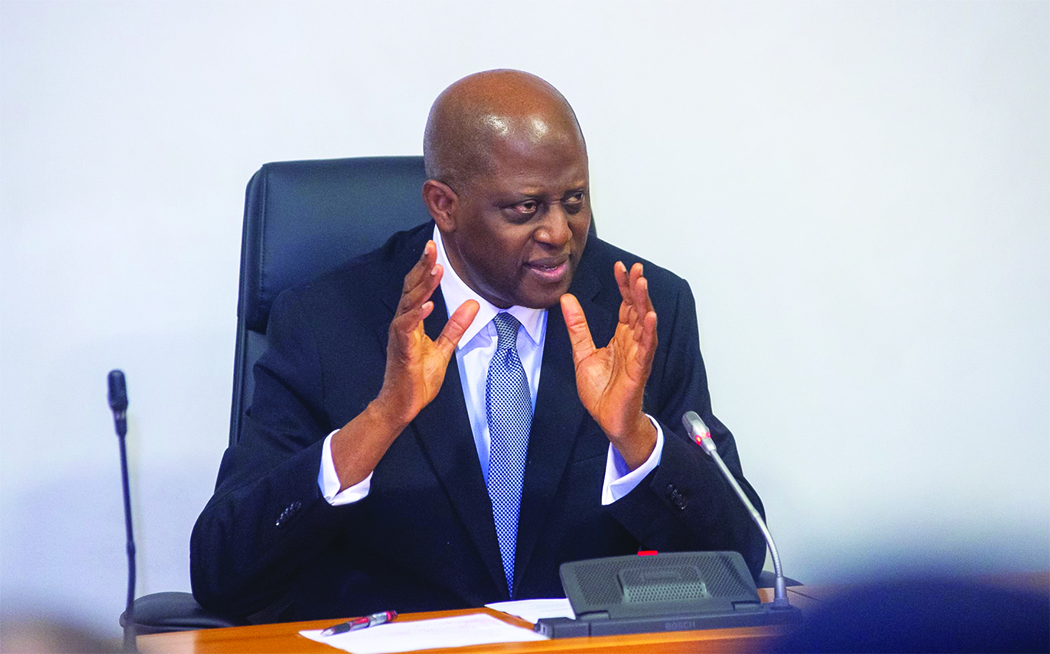
President Bola Ahmed Tinubu has commended Olayemi Cardoso for leading reforms at the Central Bank of Nigeria (CBN), saying his policies are helping to restore Nigeria’s economy for long-term growth.
Tinubu described Cardoso as devoted and focused following the bank recapitalisation deadline of March 31, 2026. He specifically stated that the reforms, which included changes to foreign exchange rates and stronger banking rules, increased investor confidence and strengthened the system.
“I must single out one man here, Olayemi Cardoso, thank you very much, for all that you are doing for the country,” President Tinubu said in a stirring speech that highlighted the government’s macroeconomic programme.
In a personal vote of confidence and admiration for the CBN Governor’s knowledge, discipline, and honesty, President Tinubu stated that he has unwavering faith in Cardoso’s understanding of what to do, when, and how to do it.
The CBN Governor’s successful recapitalisation includes the management framework for three intervention banks, Union Bank of Nigeria, Polaris Bank, and Keystone Bank, which have yet to be fully recapitalised due to ongoing legal and regulatory challenges.
The banking watchdog has assured the public that these banks remain operating, stable, and capable of meeting banking criteria.
It should be noted that a few months ago, the CBN performed an audit that revealed substantial flaws in Union Bank’s books. This resulted in the removal of its board and top management in January 2024. That decision has subsequently become the subject of litigation, with the banking regulator filing an appeal against a ruling that called the removals illegal.
Similarly, the proposed merger between Providus Bank and Unity Bank is also facing legal huddles, which are said to be almost sorted out.
Polaris Bank and Keystone Bank are still undergoing recapitalisation under strong regulatory supervision. Both banks were previously rescued by the CBN and are expected to complete the process once outstanding issues have been resolved.
The recapitalisation exercise created new minimum capital levels, including N500 billion for foreign banks and N200 billion for national banks, representing one of the most significant financial changes in Nigeria’s history.