From climate finance and fossil fuels to adaptation, clean energy and compensation for climate disasters, the Antalya summit will test whether governments can deliver on years of promises.
The 31st United Nations Climate Change Conference (COP31) begins on Monday, November 9, in Antalya, Türkiye, bringing together world leaders, government negotiators, scientists, environmental organisations and climate campaigners for two weeks of negotiations on the world’s climate future.
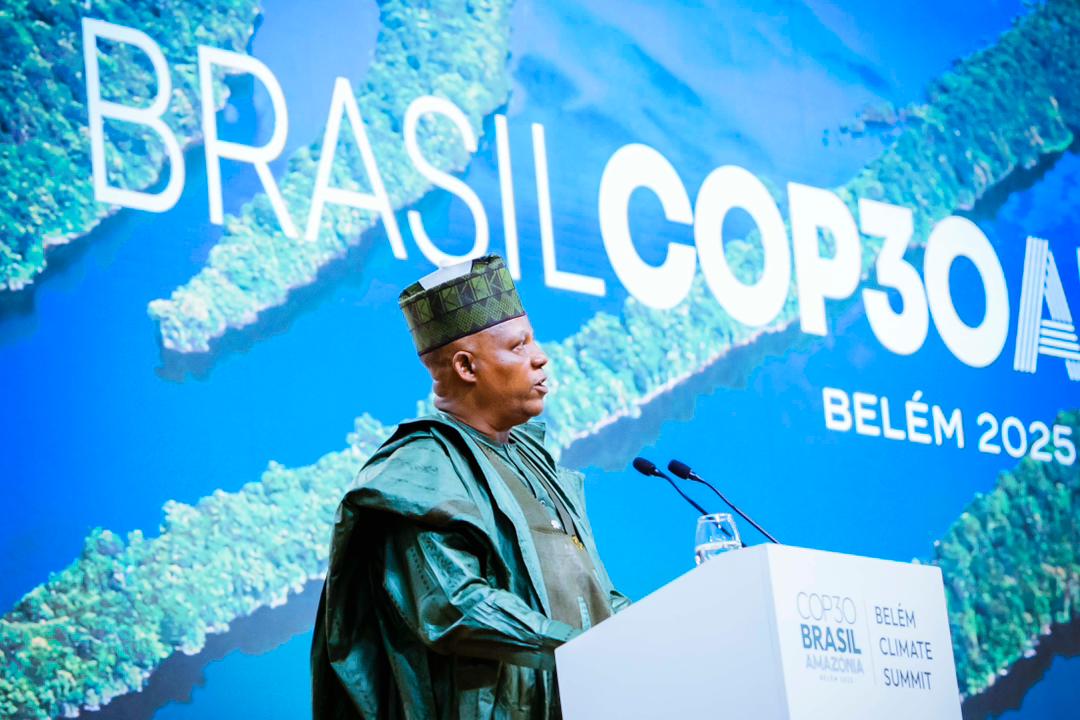
The conference, scheduled to run until November 20 at the Antalya Expo Centre, comes a year after COP30 in Belém, Brazil, where countries made fresh commitments on climate finance, adaptation and support for a fair transition to cleaner economies.
This year’s gathering will focus heavily on implementing previous agreements. The World Leaders’ Summit is scheduled for November 11 and 12, while negotiators will spend the fortnight attempting to resolve disagreements over funding, emissions reductions and support for vulnerable countries.
COP31 has an unusual leadership arrangement. Türkiye’s Minister of Environment, Urbanisation and Climate Change, Murat Kurum, is presiding over the conference, while Australia’s Climate Change and Energy Minister, Chris Bowen, is leading negotiations.
The summit opens amid growing concerns about rising global temperatures, extreme weather, energy insecurity and the widening gap between climate commitments and action.
For African countries, the stakes are particularly high. The continent has contributed relatively little to the greenhouse gas emissions driving global warming but still faces severe flooding, drought, desertification, and threats to food production.
Nigeria enters the conference with its own challenges, including unreliable electricity, oil and gas dependence, worsening climate-related disasters and the considerable cost of building a more resilient economy.
Here are seven major issues to watch at COP31.
1. Adaptation finance: Who will pay for climate protection?
One of the most contentious issues in Antalya will be financing measures that help countries cope with climate change.
Adaptation includes building flood defences, protecting farmland against drought, improving drainage, strengthening early warning systems and making infrastructure more resilient to extreme weather.
At COP30, countries agreed to efforts to at least triple international public adaptation finance for developing countries by 2035.
However, the agreement left important questions unresolved, including the baseline for calculating the increase, who would provide the money and how vulnerable countries would access it.
The African Group of Negotiators, chaired by Ghana’s Antwi-Boasiako Amoah, has requested a dedicated COP31 agenda item on adaptation finance.
The urgency is reflected in the United Nations Environment Programme’s 2026 Adaptation Gap Report, published on November 4.
The report estimates that developing countries will need approximately $305 billion annually by 2035 for adaptation. Yet international public adaptation finance stood at just $28.2 billion to $31.7 billion in 2024.
Even if the commitment to triple funding is fulfilled, UNEP estimates that it would meet only 20 to 29 per cent of developing countries’ adaptation needs.
For Nigeria, where flooding, coastal erosion and changing rainfall patterns threaten communities and livelihoods, the question is whether international commitments will produce accessible funding for projects on the ground.
2. Climate finance: Turning trillions into actual funding
Beyond adaptation, COP31 will examine how developed countries and international financial institutions intend to deliver broader climate finance commitments.
At COP29 in Azerbaijan, countries agreed to mobilise at least $300 billion annually for developing countries by 2035, with developed nations taking the lead.
They also called for financing from public and private sources to increase to at least $1.3 trillion annually by the same year.
The Baku-to-Belém Roadmap, advanced during COP30, outlines possible ways to mobilise the larger sum.
But the existence of a financing target does not mean that money has been secured or disbursed.
Developing countries remain concerned about the proportion of funding provided as grants rather than loans, particularly where borrowing could worsen existing debt burdens.
There are also questions about complicated application procedures, high financing costs and whether vulnerable countries have the technical capacity to prepare projects that qualify for support.
At COP31, negotiators will examine financing arrangements and the practical steps needed to increase funding flows.
For Nigeria, success would mean better access to affordable financing for renewable energy, climate-resilient infrastructure, agriculture and environmental protection.
3. Just transition: Protecting workers while moving towards cleaner energy
The shift away from fossil fuels presents difficult economic questions, particularly for countries that depend on oil, gas and coal.
A just transition means reducing emissions while protecting jobs, livelihoods and vulnerable communities from the economic consequences of the change.
At COP30, countries agreed to establish a Just Transition Mechanism under the Paris Agreement to strengthen international cooperation and support countries navigating the transition.
However, its detailed operating arrangements remain unfinished.
COP31 negotiators are expected to consider how the mechanism will function, what technical and financial assistance it will provide and how countries can obtain support.
The issue is especially important for Nigeria.
Oil and gas remain major sources of government revenue and export earnings, while millions of Nigerians still face inadequate electricity access.
An energy transition that ignores these realities could threaten employment and public finances without resolving energy poverty.
Nigeria’s updated climate commitments include a target to reduce greenhouse gas emissions by 32 per cent by 2035 compared with 2018 levels, with the ambition of achieving net-zero emissions by 2060.
The challenge is to create cleaner industries, expand electricity access and develop alternative economic opportunities without abandoning workers and communities dependent on existing energy industries.
4. Fossil fuels: Will countries agree on a clearer transition plan?
The future of coal, oil and gas remains one of the most politically difficult subjects in international climate negotiations.
At COP28 in Dubai, governments agreed to transition away from fossil fuels in energy systems in a just, orderly and equitable manner.
But disagreements persisted at COP30 over how to translate that commitment into a practical global plan.
Ahead of the Antalya conference, Brazil’s COP30 presidency released a voluntary roadmap on November 3 outlining approaches countries could use to reduce fossil-fuel dependence.
The document considers energy supply, consumption and the economic circumstances of countries with different levels of dependence on fossil fuels.
However, the roadmap is not legally binding and is not itself a negotiated COP31 decision.
Countries remain divided over the pace of transition, the responsibilities of major emitters and the financial support available to developing economies.
COP31 will show whether governments can make progress on implementing the earlier agreement or whether disagreements over fossil fuels continue to hold back negotiations.
5. Electrification: Expanding clean power and energy access
Electricity will feature prominently in the COP31 presidency’s programme.
Türkiye has proposed increasing electricity’s share of global final energy consumption from just over 20 per cent to 35 per cent by 2035.
The initiative seeks to accelerate the use of electricity in transport, buildings and industry, alongside investments in renewable energy, electricity networks and storage.
For developing countries, however, the discussion must also address people who still lack access to dependable electricity.
Nigeria’s unreliable power supply illustrates the challenge. Moving vehicles, factories and households towards electricity will achieve little if electricity itself remains scarce or unaffordable.
Nigeria’s third Nationally Determined Contribution also seeks to increase the share of renewables in electricity generation from 22 to 52 per cent.
The question for COP31 is whether international partnerships can provide the financing, technology and infrastructure needed to support such ambitions.
6. Loss and damage: Compensation for climate disasters
Another important issue is the fund established to help vulnerable countries respond to losses and damage caused by climate change.
Unlike adaptation, which seeks to reduce future harm, loss-and-damage support addresses the consequences of disasters that countries cannot prevent or fully adapt to.
These include destroyed homes, damaged infrastructure, lost farmland and the displacement of communities.
The Fund for Responding to Loss and Damage has faced major challenges involving funding, accessibility and disbursement.
According to UNEP’s latest assessment, the fund’s first application round generated approximately $2.8 billion in requests, compared with an initial funding envelope of $342 million.
This considerable difference raises questions about whether the fund can meet the needs of countries experiencing increasingly severe climate impacts.
At COP31, attention will turn to additional financial contributions, simpler access procedures and the speed with which approved assistance can reach affected communities.
For Nigeria, where flooding repeatedly destroys homes, roads and farmland, the availability of timely financial support could make a difference to recovery efforts.
7. Climate adaptation targets and resilient cities
Negotiators will also examine how countries measure progress in preparing for climate change.
At COP30, governments adopted 59 Belém Adaptation Indicators to help track progress towards the Global Goal on Adaptation under the Paris Agreement.
The indicators cover areas including water, food security, health, ecosystems and infrastructure.
However, disagreements remain over their implementation, methodologies and how progress should be assessed across countries with different circumstances and resources.
COP31 will provide another opportunity to address these concerns.
Beyond formal negotiations, the COP31 presidency has proposed reducing the energy intensity of buildings by at least 25 per cent by 2035.
The initiative is intended to encourage more efficient buildings, climate-resilient urban planning and investment in infrastructure capable of withstanding rising temperatures and extreme weather.
For Nigerian cities such as Lagos, Abuja and Port Harcourt, these discussions are relevant to flooding, poor drainage, urban heat and pressure on essential infrastructure.
What should Nigeria expect from COP31?
Nigeria’s delegation will be expected to participate in negotiations on financing, adaptation, energy transition and the implementation of existing climate commitments.
But international agreements alone will not solve the country’s climate challenges.
Nigeria must also strengthen domestic institutions, improve project preparation, maintain accurate climate data and ensure that available funding reaches communities most exposed to environmental risks.
The country’s latest climate plan contains ambitious targets. Turning them into results will require consistent government policies, private investment and effective monitoring.
As COP31 opens in Antalya, the most important measure of progress will not simply be the number of pledges announced or agreements celebrated.
It will be whether the decisions make it easier for countries to protect vulnerable populations, develop cleaner energy systems and finance the practical measures needed to respond to a changing climate.