


The US plans to terminate South Africa and Rwanda from its AGOA duty-free trade programme from January 2027, citing concerns over trade barriers and eligibility criteria.
The United States plans to terminate South Africa and Rwanda from the African Growth and Opportunity Act (AGOA), the duty-free trade programme for sub-Saharan Africa, with effect from 1 January 2027.
US Trade Representative Jamieson Greer announced the decision on Monday, saying President Donald Trump had notified Congress and the two governments of his intent to terminate their participation. The announcement says “terminate”, not suspend.
What the US says about the AGOA termination
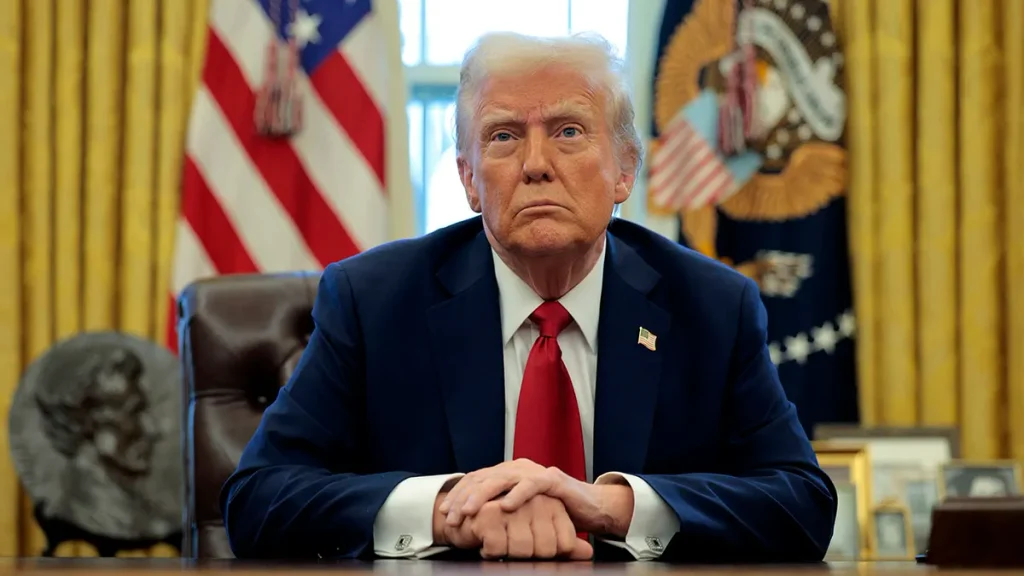
“President Trump found that the governments of Rwanda and South Africa are engaging in practices that are inconsistent with AGOA’s eligibility criteria,” Greer said. He said the finding followed the annual eligibility review, and that the administration was working to ensure African partners take the steps needed to meet the criteria.
For Rwanda, the US cited trade and investment barriers, the rule of law, political pluralism, worker rights, human rights and threats to US national security and foreign policy interests. For South Africa, it cited barriers to US trade and investment and, according to reports, corruption.
AGOA was enacted in 2000 and gives eligible countries duty-free access to the US market for thousands of products. It had expired in September 2025 before Congress restored it. A bill signed on 2 September 2026 extended it to 31 December 2028, so the exclusions are not a lapse of the programme.
AGOA termination: South Africa’s response
South Africa was AGOA’s largest beneficiary, exporting about $1.7 billion of goods to the US under the programme in 2025. They include vehicles and parts, citrus and wine.
Relations are strained. The Trump administration has accused Pretoria of persecuting white South Africans, which South Africa rejects as false. Washington has also criticised South Africa’s genocide case against Israel at the International Court of Justice, which Israel denies.
US Ambassador to South Africa Leo Brent Bozell III wrote on X: “It is regrettable that South African policies led to the termination of AGOA for South Africa. This was a predictable and preventable outcome resulting from the rejection by South Africa’s government of real concerns raised by the US Government.”
South Africa’s trade ministry said it was prepared for an unfavourable outcome and remained open to dialogue. It said AGOA exports account for about 10 per cent of South Africa’s total exports to the US and 1 per cent of its global exports. It said Washington was raising issues that had not featured in trade talks that began in 2025. President Cyril Ramaphosa said South Africa is preparing for a possible loss of the benefits by seeking new markets and trade agreements.
AGOA termination: Rwanda and the Congo conflict
The announcement comes about a week after the US Treasury sanctioned Rwanda’s defence ministry over its alleged role in the rebellion in eastern Democratic Republic of Congo. Treasury said the ministry directed thousands of troops to fight alongside M23 rebels. Rwanda has denied backing the rebels, and I found no immediate response from Rwanda to the AGOA decision.
Rwanda has been partly excluded from AGOA since 2018, when Washington barred its apparel exports after Kigali raised import tariffs on second-hand clothing, which the US considered a barrier to trade.