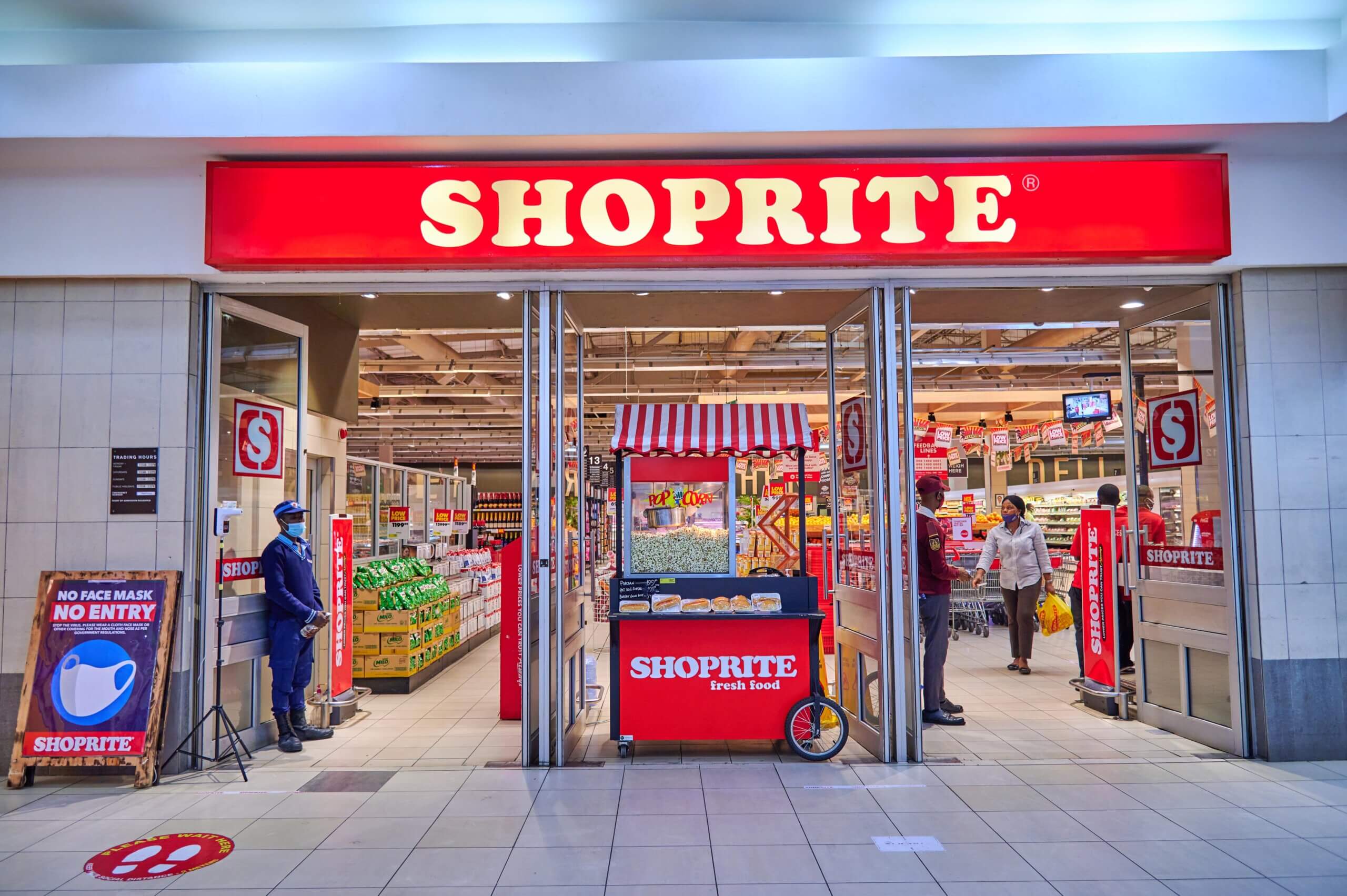
Three outlets have reopened after a temporary shutdown, as the supermarket chain seeks to cut costs linked to rent, foreign exchange and operations.
Shoprite Nigeria is planning to expand through standalone neighbourhood supermarkets as it restructures its business to reduce operating costs and revive its operations.
Adekunle Adebiyi, executive director of investments at MBO Capital Management Limited, disclosed the plan during an interview on Nairametrics’ Drinks and Mics, where he discussed the retailer’s financial difficulties and recovery strategy.
Adebiyi said three Shoprite stores had reopened after the company temporarily suspended operations to negotiate with suppliers and address outstanding financial obligations.
“We took a very, very drastic decision to just shut everything down whilst we negotiated with suppliers. Now three stores are back open,” he said.
He said the retailer would focus on smaller standalone outlets in residential neighbourhoods rather than rely mainly on large stores in shopping malls.
“We’re going to be opening standalone neighbourhood stores, which was always the plan,” Adebiyi said.
The proposed format would allow the company to concentrate its resources on supermarket operations rather than commit substantial capital to property development.
However, Shoprite has yet to disclose how many neighbourhood stores it plans to open, their locations or when the expansion will begin.
Shoprite targets lower costs with neighbourhood stores
Adebiyi explained that supermarkets typically lease commercial premises and invest in operational equipment, including shelves and refrigeration systems, rather than purchase the buildings they occupy.
He said the model could make financing difficult in Nigeria, where banks often favour businesses with tangible assets that can serve as collateral.
According to Adebiyi, MBO Capital encountered challenges securing bank financing during the acquisition of Shoprite Nigeria because lenders struggled to identify sufficient assets to back the credit, despite the retailer generating billions of naira in revenue.
The investors consequently turned to alternative funding arrangements to complete the acquisition.
Foreign exchange pressures weigh on Shoprite
Adebiyi identified foreign exchange volatility as a major contributor to the retailer’s financial difficulties.
He said about 17 of Shoprite’s 28 stores had dollar-denominated rental agreements when the investors acquired the Nigerian business. The naira’s subsequent depreciation increased the cost of those obligations and added pressure to operating expenses.
According to him, rent should typically account for between 8 and 10 per cent of a supermarket’s revenue, but some Shoprite outlets faced substantially higher costs.
He also cited inventory management problems and the loss of access to the enterprise resource planning (ERP) system used by the company’s former parent, South Africa’s Shoprite Holdings.
Replacing the system required billions of naira in additional investment, he said, diverting funds that could have supported other parts of the business.
Shoprite continues restructuring after ownership change
In August 2020, Shoprite Holdings announced plans to exit direct ownership of its Nigerian operations after reporting a sustained decline in sales.
Ketron Investment Limited, a consortium led by Persianas Investment Limited, completed the acquisition of the Nigerian business in 2021. Retail Supermarkets Nigeria Limited now operates the Shoprite franchise in the country.
The business has since faced store closures and operating challenges. In September 2025, Retail Supermarkets Nigeria Limited said Shoprite was not leaving Nigeria but undertaking a business model reset to respond to exchange-rate volatility, inflation and liquidity constraints.
The company identified smaller store formats, stronger local supply chains, energy efficiency and improved liquidity management as part of its turnaround strategy. It also said it intended to source more than 80 per cent of its products locally.
In March 2026, the company dismissed reports of a nationwide shutdown and announced plans to open outlets at The Palms Shopping Mall in Oniru and Circle Mall in Jakande, Lagos, as part of its phased restructuring programme.
The planned neighbourhood outlets represent another step in the retailer’s efforts to adapt its business model to Nigeria’s operating environment.