

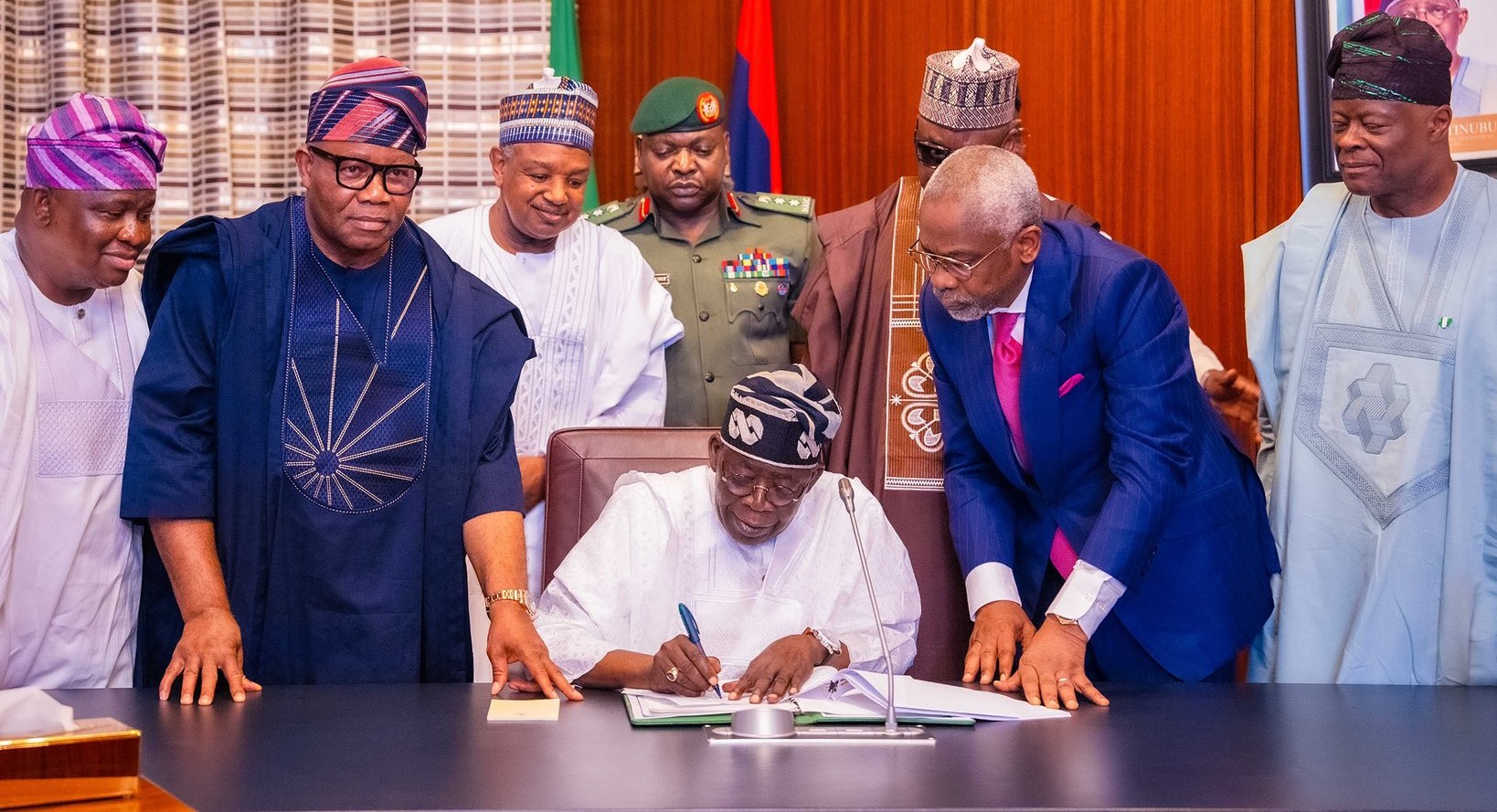
The President signed the fourth amendment to the 2025 budget after the National Assembly approved the extension on September 29.
President Bola Tinubu has signed the Appropriation (Amendment) (No. 4) Bill, 2025, into law, extending the implementation of the capital component of the budget from September 30 to December 31, 2026.
The extension gives Ministries, Departments and Agencies (MDAs) an additional three months to complete capital projects and utilise funds already appropriated under the 2025 budget.
Presidential spokesperson Bayo Onanuga announced the President’s assent in a statement on Wednesday.
The bill was passed by both chambers of the National Assembly on September 29, a day before the previous implementation deadline expired.
Onanuga said the extension would allow the government to complete ongoing capital projects without disrupting critical programmes.
He added that Tinubu commended the National Assembly for its prompt consideration of the amendment, describing it as further evidence of cooperation between the executive and legislature.
2025 budget extended for fourth time
The latest amendment is the fourth extension of the capital component of the 2025 budget.
The budget was originally scheduled to expire on December 31, 2025. Its implementation period was subsequently extended to March 31, 2026, then June 30, and later September 30 before the latest extension to December 31.
The Senate said the latest extension was intended to provide additional time for projects that had already received appropriations and, in some cases, funding, but had not been completed.
Senate Leader Opeyemi Bamidele said the extension would help sustain economic activity, support contractors and facilitate the utilisation of released funds. He also said it would help complete critical projects already at advanced stages.
The House of Representatives also approved the extension after considering the executive’s request.
The amendment does not introduce new projects into the 2025 budget. Rather, it keeps the capital component legally open for implementation until the end of December.
Extension comes after Tinubu’s single-budget pledge
The latest extension also revives questions about the administration’s pledge to end overlapping budget cycles.
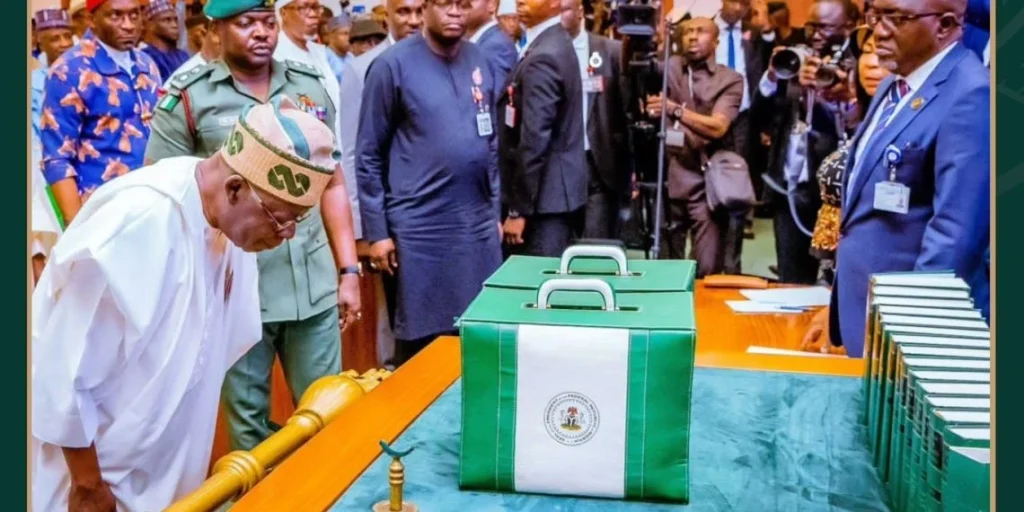
When Tinubu presented the ₦58.18 trillion 2026 budget to the National Assembly in December 2025, he said his administration would end the practice of running multiple budgets simultaneously.
“By March 31, 2026, all capital liabilities from previous years will be fully funded and closed. From April, Nigeria will operate on a single budget backed by a single revenue cycle,” Tinubu said.
The President described the 2026 budget as a shift towards greater discipline in budget execution and said the government would move away from perpetual budget rollovers.
The latest extension means, however, that the capital component of the 2025 budget will remain open until December 31, 2026, while the 2026 budget is already being implemented.
Earlier extensions had also been justified on the grounds of completing ongoing projects and preventing the abandonment of projects for which funds had already been committed.
Government says extension will prevent project disruption
The Federal Government has consistently argued that extending capital budget implementation protects public investments that are already underway.
The latest presidential statement said the additional time would ensure that appropriated funds are fully put to work and that critical programmes are not disrupted.
The National Assembly similarly argued that projects at advanced stages could be delayed or abandoned without additional implementation time.
The extension therefore leaves federal MDAs with until December 31 to complete and account for capital expenditure under the 2025 appropriation, even as the government operates within the 2026 budget cycle.
The development puts renewed focus on how quickly ministries and agencies can execute outstanding projects before the new deadline and whether the administration can eventually achieve the single-budget cycle it pledged to establish.