


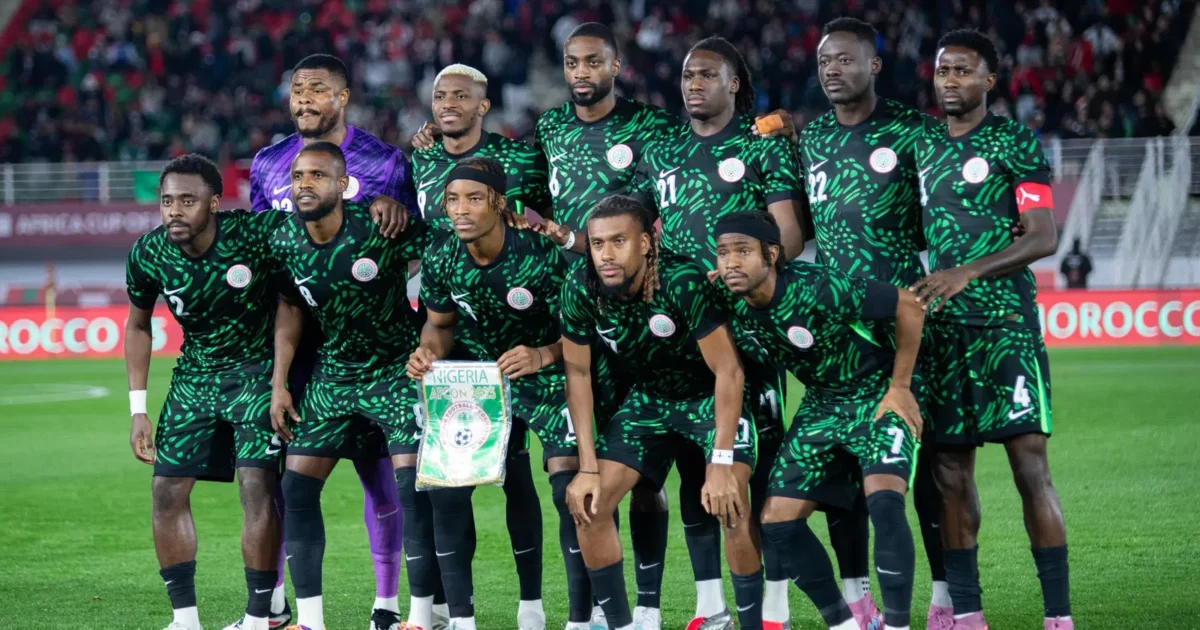
The Africa Cup of Nations (AFCON) qualifying campaign begins this week, and Nigeria’s attention is once again fixed on the Super Eagles. Nigeria will host Madagascar in Uyo on September 25 before travelling to face Guinea-Bissau four days later, marking the beginning of the country’s campaign for the 2027 Africa Cup of Nations, which will be jointly hosted by Kenya, Tanzania and Uganda. Forty-eight African nations are taking part in the qualifying group stage across 12 groups.
As usual, the conversation around the Super Eagles is already familiar. Who made the squad? Who should start? Can Nigeria qualify? How far can the team go if it reaches the tournament? These are fair questions, but they focus almost entirely on the end product of Nigerian football.
There is another question worth asking this time: what happens before a player gets to the Super Eagles?
Talent Is Only the Beginning
Nigeria has never struggled to produce football talent. The country has produced generations of players who have gone on to play in some of the world’s biggest leagues, while young footballers continue to emerge from schools, academies, community pitches and local competitions. But producing talented individuals is not the same thing as building a football system. The discovery of a gifted young player is only the beginning. Someone has to identify that player, coach them, provide somewhere to train and give them regular competition. They also need a pathway into professional football and, eventually, the opportunity to compete at the highest level.
For a 13-year-old playing football somewhere in Nigeria today, how clear is that pathway? Who is watching? Who is developing them? What happens when they turn 16 or 17? And what happens to the player who has the ability but lacks the connections or resources to get noticed? These questions cannot be answered by the Super Eagles because the national team is the visible end of a much larger system. If that system is weak, exceptional players can still emerge, but their success may depend more on individual talent, persistence and luck than on the structure around them.
Where Does the Next Super Eagle Come From?
Nigeria’s football development cannot begin when a player receives a national-team call-up. It has to begin much earlier, in schools, academies, community clubs and organised grassroots competitions. There are already efforts aimed at strengthening that foundation.
In August, a FIFA-supported workshop on Nigeria’s amateur football environment was held in Abuja to examine the country’s grassroots structures and identify areas for development. The Nigeria Football Federation has also said it plans to decentralise coaching education, allowing coaches to access CAF certification programmes in their states, zones and local government areas rather than having to travel to Abuja.
Those initiatives matter, but the bigger question is whether efforts like these can become part of a connected national pathway rather than isolated programmes. A child should not have to be exceptionally lucky to move from a local pitch to an academy, from an academy to professional football and eventually to the national team. There should be a structure that makes that progression possible, with clear stages of development and people responsible for identifying and supporting talent along the way.
We Keep Finding Players Abroad
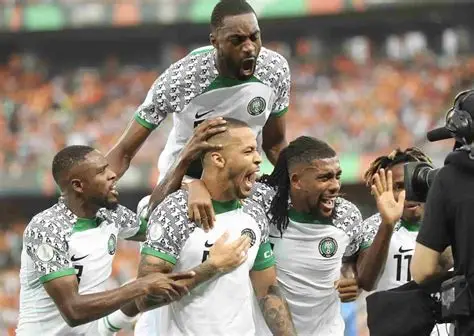
There is another pattern worth examining in Nigeria’s current national-team setup. Many of the players competing for places in the Super Eagles have developed their careers outside Nigeria, with members of the current squad based across leagues in Europe and elsewhere. Several of the newer players have Nigerian roots or began their football journeys in the country before moving abroad.
There is nothing inherently wrong with Nigerian players developing abroad. Playing in stronger leagues can expose them to better facilities, high-level competition and different coaching methods, and overseas opportunities have helped countless Nigerian footballers build successful careers. But it does raise a structural question: why does so much of the final development of Nigerian talent happen outside Nigeria?
Part of the answer is obvious. Football is a global industry, and ambitious players will naturally seek opportunities in countries with stronger professional leagues. But if players must consistently leave the country before they can access the facilities, coaching, competition and professional structures required to reach their potential, Nigeria should at least examine what that says about its domestic system. The issue is not whether Nigerian players should go abroad. It is whether they should have to depend on leaving Nigeria to receive the development they need.
A Pitch Is Not a Football System
Grassroots development is sometimes reduced to building football pitches, but a pitch alone does not create a football system. Young players need qualified coaches, appropriate equipment, regular competition, medical support and a safe environment in which to develop. They also need competitions that provide meaningful experience, scouts who can identify them and clubs or academies capable of developing them after they are discovered.
There are already examples of private and community investment attempting to strengthen this part of the game. A football development project in Bariga, Lagos, was recently described by the Senior Special Assistant to the President on Grassroots Sports Development as the kind of investment that could strengthen the pathway from grassroots football to the professional and international levels. The challenge is making this kind of development systematic rather than exceptional. A country with millions of young people interested in football cannot rely on isolated projects to produce its next generation of players.
The goal should not simply be to give young Nigerians somewhere to play. It should be to create a structure through which those who have the ability can actually progress.
And What About the Super Falcons?
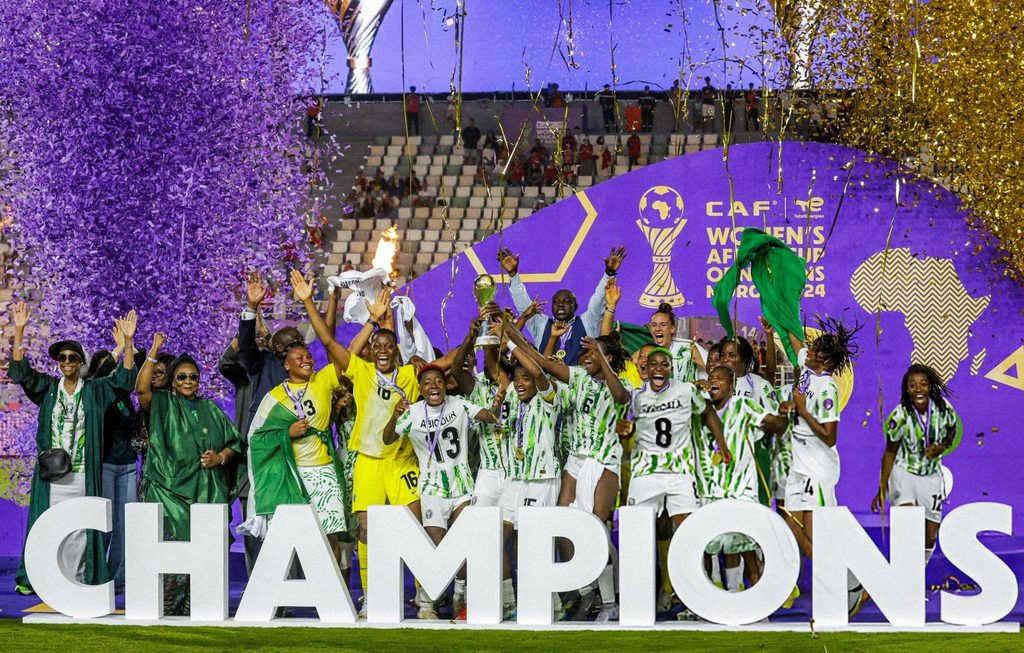
A serious conversation about Nigeria’s football system cannot be limited to the men’s game. The Super Falcons have been one of Africa’s most successful women’s national teams, but their failure to qualify for the 2027 Women’s World Cup ended Nigeria’s record of appearing at every edition of the tournament since the competition began in 1991. The setback has prompted renewed calls for greater investment in grassroots women’s football.
That should be more than a reaction to missing one tournament. If Nigeria wants a sustainable football system, girls need pathways from the same early stages: schools, community football, organised competitions, coaching and professional opportunities. The country cannot talk seriously about developing its football talent while treating women’s development as a separate conversation that only becomes urgent after a disappointing result.
Coaches Are Part of the Infrastructure
Players are often treated as the raw material of football, but coaches determine a significant part of what happens to that raw material. A talented teenager still needs to learn how to read a game, make decisions under pressure, understand positioning and develop technically and physically. That means coaching education is not a side issue; it is football development.
The NFF’s stated plan to expand access to coaching education is therefore significant, particularly if qualified coaches eventually become available where young players actually are rather than being concentrated in major football centres. The same principle applies to player welfare, medical support and competition structures. Developing a footballer requires more than putting them on a pitch and hoping talent takes care of the rest.
The Problem With Tournament Thinking
Nigeria has a habit of becoming intensely interested in football whenever a major tournament approaches. The cycle is predictable: qualifiers begin, the squad is announced, fans debate formations, questions about preparation and facilities become urgent, and attention eventually shifts to the tournament itself. Once the tournament is over, the intensity fades until the next qualification campaign brings it all back.
But football development does not work on a tournament calendar. A country cannot build a generation of footballers in the months before AFCON. It cannot create experienced coaches overnight, develop grassroots infrastructure after a qualification crisis or suddenly establish a functioning pathway between schools, academies and professional clubs. Long-term football development has to happen when there is no major tournament dominating the news cycle.
That is why the Super Eagles cannot be the only measure of Nigerian football. The national team is the most visible part of the system, but it is also the product of everything beneath it: the schools, academies, coaches, pitches, competitions, clubs, scouts, youth teams, administrators and pathways connecting them.
The Super Eagles Are the Product, Not the System
The Super Eagles will always attract the biggest audience, and that attention is understandable. If they win, the country celebrates; if they lose, everyone searches for someone to blame. But focusing only on the senior national team can make Nigerian football development look like a series of short-term problems requiring short-term solutions.
The more difficult work happens long before a player receives a national-team invitation. It happens when a child first walks onto a football pitch, when a coach decides whether that child has potential, when a teenager needs a competitive league, when an academy has to develop a player properly and when a young footballer needs a realistic route into the professional game.
Nigeria has football talent. That much is difficult to dispute. The harder question is whether Nigeria has built a system capable of finding that talent early, developing it properly and giving it somewhere to go.
The next generation of Nigerian footballers is already out there. The challenge is not simply finding another exceptional player. It is building a system that gives talented players a better chance of becoming the footballers they could be.