


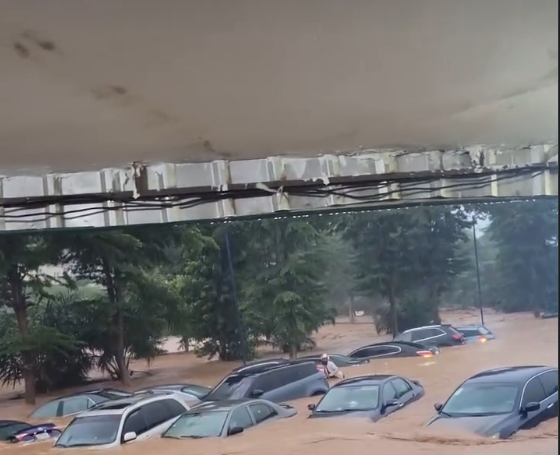
Heavy rainfall flooded several parts of Abuja, disrupting movement, damaging vehicles and renewing concerns about drainage infrastructure and flood preparedness.
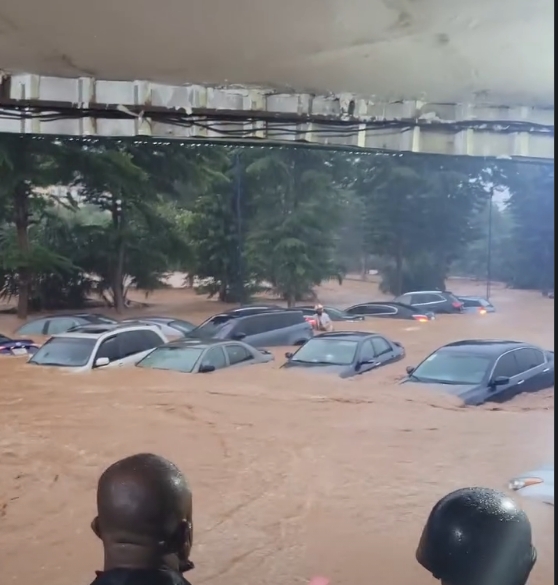
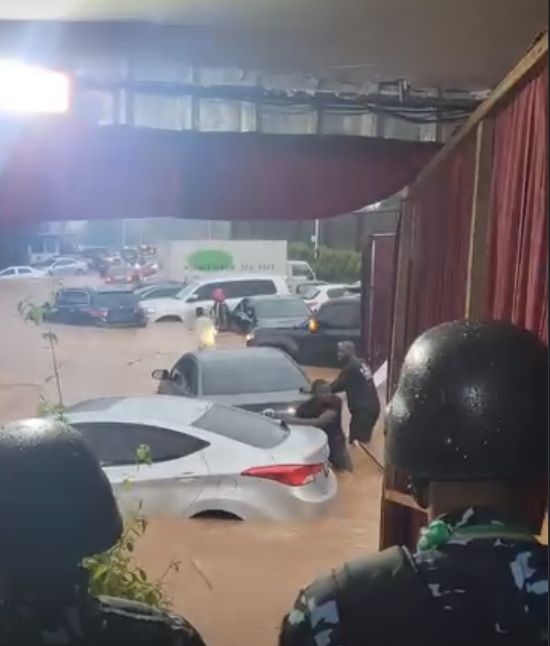
Residents and motorists were left stranded in parts of Abuja on Saturday after heavy rainfall triggered flash flooding across several areas of the Federal Capital Territory, submerging vehicles, disrupting traffic and forcing some businesses to close temporarily.
The flooding affected areas including Wuse 2, Adetokunbo Ademola Crescent, the vicinity of Delight Event Centre in Gudu and Efab Estate in Lokogoma. The bridge linking Gaduwa and Durumi was also inundated, cutting off movement between the two communities.
Several vehicles were submerged or damaged as floodwaters spread across roads and residential areas. A video shared by a resident showed water covering Ebeano-Gudu Road and the bridge connecting the two communities.
“Dear Honourable Minister of the FCT, please come to our rescue. This is the current situation of Ebeano/Gudu Road. The bridge is flooded,” the resident said in the video.
“People coming from Gudu Junction cannot cross, while those coming from Ebeano cannot get to Gudu. Mr Project, please come and help us.”
Flood disrupts movement across Abuja
The flooding caused significant disruption to movement, with motorists unable to cross some affected routes and residents stranded as water levels rose. Businesses in some affected areas were also forced to shut temporarily as floodwaters entered or surrounded their premises.
The Nigeria Hydrological Services Agency’s 2026 Annual Flood Outlook provides flood predictions and risk assessments across Nigeria.
NiMet’s 2026 Seasonal Climate Prediction also forecasts above-normal rainfall for parts of the Federal Capital Territory, highlighting pressure on drainage systems.
Flood warnings preceded Saturday’s incident
Authorities have repeatedly urged communities in flood-prone areas to take precautions and pay attention to early warnings as the rainy season progresses.
NiMet has emphasised the importance of timely and reliable flood forecasts, while NIHSA’s annual outlook is designed to help governments and communities prepare for potential flooding and reduce losses.
NIHSA also operates flood forecasting and early warning systems.
The latest flooding demonstrates how intense rainfall can overwhelm drainage systems in built-up areas.
The flooding has raised concerns about drainage infrastructure coping with intense rainfall in densely developed parts of the capital.
Abuja drainage infrastructure faces renewed scrutiny
Saturday’s flooding has renewed concerns about the adequacy of Abuja’s drainage infrastructure and the preparedness of communities and authorities as the rainy season reaches its peak across Abuja.
It highlights the importance of maintaining drainage channels, improving urban planning and issuing timely warnings.
Climate variability and changing rainfall patterns have made reliable forecasting and early action increasingly important. NiMet has said climate change is contributing to more frequent and intense extreme weather events, making early warning systems critical to reducing the impact of flooding.
For residents, however, the immediate concern remains access, safety and mobility. Roads and bridges that become impassable during heavy rainfall can isolate communities, disrupt businesses and expose motorists and pedestrians to dangerous floodwaters and debris.
Flood preparedness remains critical
The latest flooding adds to the urgent need for coordinated action between weather agencies, emergency authorities, urban planners and the FCT administration.
While rainfall cannot be prevented, effective drainage, proper maintenance, floodplain management and timely public warnings can help reduce the damage caused by flash floods.
NIHSA’s 2026 Annual Flood Outlook and NiMet’s seasonal climate prediction provide authorities with information that can support these measures. Warnings must translate into practical preparations before flooding occurs.
As more rainfall is expected during the remaining months of the rainy season, Saturday’s latest incident serves as another reminder that Abuja’s flood preparedness cannot be treated as a seasonal afterthought. Keeping routes open and protecting homes and businesses will depend on how effectively authorities respond to warnings and infrastructure gaps.