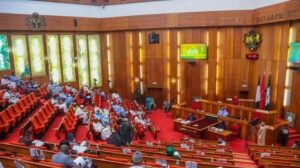



Flooding: Commissioner for Waterfront Infrastructure Development, Bush-Alebiosu identifies waste disposal and commercial reclamation as dual threats; government intensifies enforcement crackdown
The Lagos State Commissioner for Waterfront Infrastructure Development, Dayo Bush-Alebiosu, has identified persistent bad habits and illegal commercial activities as the primary drivers of recurring flooding across the state.
Speaking on Channels Television’s The Morning Brief on Tuesday, Bush-Alebiosu blamed indiscriminate waste disposal, illegal dredging and unauthorised land reclamation for undermining efforts to address the coastal state’s flooding crisis.
“It is important to identify what the problem is in the first place, and the problem is nothing other than bad habits. I mean, illegal reclamation and illegal dredging affect it on one hand; habits affect it on the other hand,” the commissioner stated.
Bush-Alebiosu distinguished between the dual nature of the problem, noting that whilst illegal reclamation is driven by financial motivation, poor waste disposal stems largely from residents’ attitudes and behaviour patterns.
“At the end of the day, those who, out of habit, dump refuse aren’t doing it because they want to make money from it. However, those who are reclaiming illegally are doing it for commercial purposes. So, you have both sides,” he explained.
The commissioner drew particular attention to the dumping of human waste into the lagoon, describing it as a practice with severe environmental and public health implications.
“The first thing is that some people even dump faeces into the lagoon and things like that. This is the same lagoon that feeds us. You know you’re eating fish that’s feeding off faeces. So all of these things eventually will come back to bite us, and this is just a typical example of what we’re seeing at the moment,” Bush-Alebiosu warned.
Recent flooding highlights urgency of action
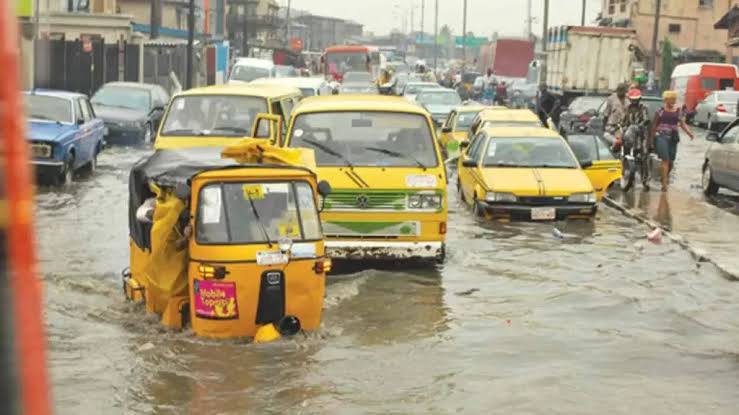
Lagos State has experienced significant flooding in multiple locations following persistent rainfall in recent weeks, with residents reporting widespread disruption to movement and substantial damage to property.
The recurring nature of flooding has triggered public outrage, with residents criticising the Lagos State Government over what many view as predictable seasonal disasters affecting major roads and residential areas.
Flooding regularly affects major thoroughfares including Gbagada, Iyana Ipaja, Ikorodu Road, Ikeja, Maryland, Mushin, Ogudu, Lekki, Oshodi and Agege. Key expressways including the Lagos-Ibadan Expressway, Lagos-Abeokuta Expressway, Apapa-Oshodi Expressway and Lekki-Epe Expressway have also been inundated, disrupting commerce and commuter movement across the metropolis.
Enforcement intensified against waste disposal violators
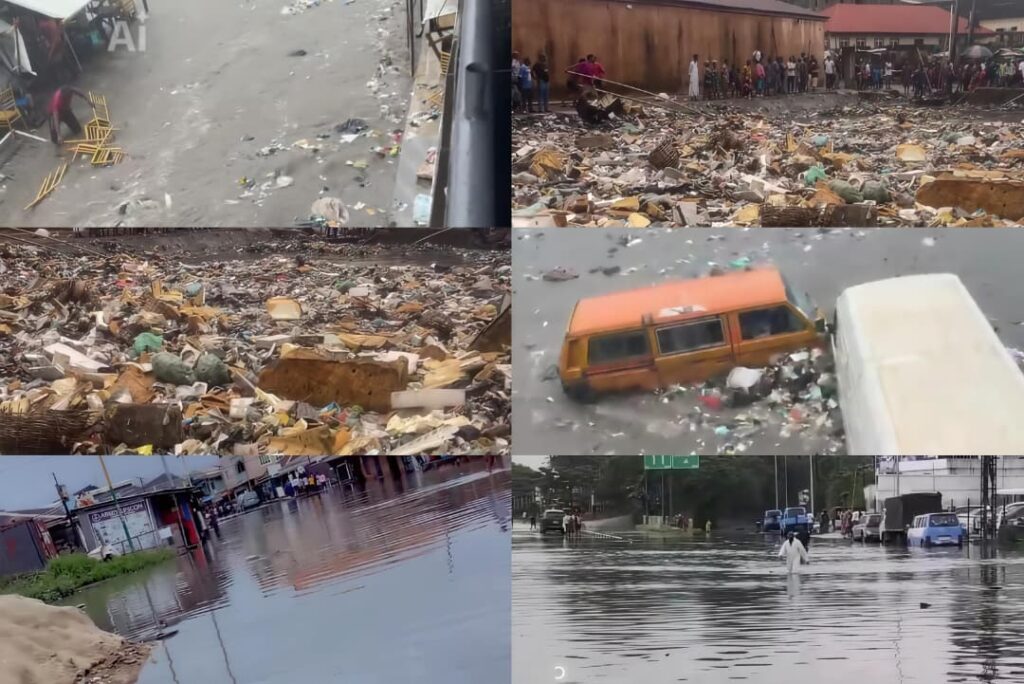
In response to the crisis, the Lagos State Government has intensified enforcement against illegal waste dumping and environmental violations. The Commissioner for Environment and Water Resources, Tokunbo Wahab, disclosed that the government has increased crackdowns on indiscriminate refuse disposal to improve sanitation and reduce flooding. The government reported that enforcement operations have resulted in the punishment of over 1,000 violators in recent months.
Wahab stated during an inspection of cleared areas on the Lagos-Badagry Expressway on 1 July 2026 that the government had invested substantial public funds to restore environmental areas and would not tolerate illegal activities resuming.
“We have done the work on the ground. The operation is once and for all, and we will patrol the area forever,” he said.
Sand depletion threatens housing and food security
Beyond flooding concerns, Bush-Alebiosu has warned that illegal dredging poses additional systemic threats. The commissioner disclosed that developers handling reclamation projects in the Lekki-Ajah corridor now source sand from communities in Ikorodu, pumping materials across distances of 10 to 12 kilometres due to depletion of closer deposits.
Unchecked dredging could significantly increase construction and infrastructure costs whilst threatening food security in riverine and fishing communities.