

What you need to know about the latest outbreaks, the risks to Nigeria and the race to develop new vaccines
Ebola is back in the headlines.
Recent outbreaks in parts of Central and East Africa have renewed concerns about one of the world’s deadliest diseases and triggered fresh efforts to develop vaccines against emerging strains of the virus. Health authorities are monitoring the situation closely, while countries across the continent are reviewing preparedness measures to prevent the disease from spreading beyond affected areas.
While there is no cause for panic, the developments have raised important questions about Ebola, how it spreads and whether Nigeria should be concerned.
Here is what you need to know.
What is Ebola?
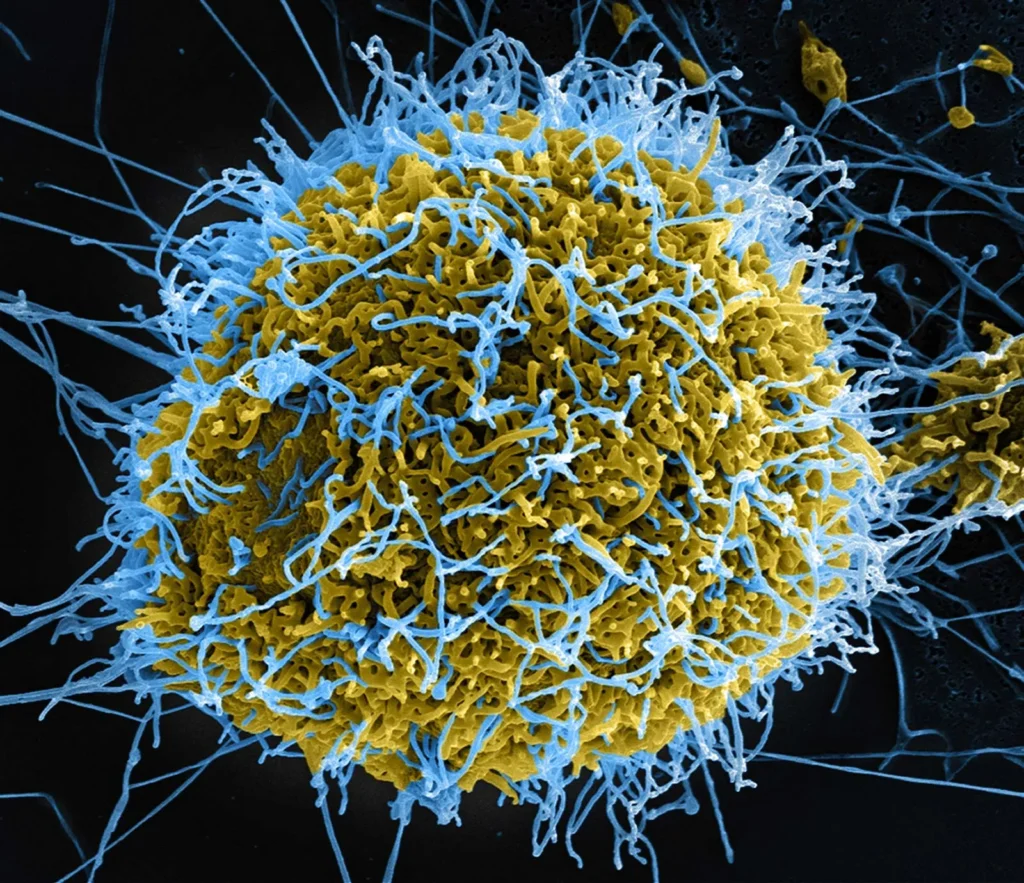
Ebola Virus Disease (EVD) is a severe and often deadly illness caused by a group of viruses known as ebolaviruses.
The disease was first identified in 1976 and is known for causing outbreaks marked by fever, weakness, vomiting, diarrhoea and, in severe cases, internal and external bleeding.
Although Ebola is relatively rare, it can spread rapidly in communities and healthcare settings if cases are not detected and contained early.
There are several species of the virus, including the Zaire, Sudan, Bundibugyo and Taï Forest strains. The Zaire strain has historically caused the deadliest outbreaks, while the Bundibugyo strain, which is at the centre of current concerns, is generally associated with a lower but still significant fatality rate.
Ebola should not be confused with diseases such as malaria, typhoid or yellow fever, which may initially present similar symptoms. Laboratory testing is required to confirm an Ebola infection.
Where did Ebola come from?
The virus was first discovered during simultaneous outbreaks in what is now the Democratic Republic of the Congo (DRC) and Sudan in 1976.
It takes its name from the Ebola River in the DRC, near one of the communities where the disease was first identified.
Scientists believe fruit bats are the natural hosts of the virus. Occasionally, the virus spreads from infected animals to humans before being transmitted from person to person.
Why is Ebola back in the news?
Ebola has returned to global attention following fresh outbreaks involving the Bundibugyo strain in parts of Central and East Africa.
Health experts are paying particular attention because, unlike the Zaire strain, there are currently no approved vaccines or treatments specifically designed for Bundibugyo ebolavirus infections.
According to the Coalition for Epidemic Preparedness Innovations (CEPI), researchers are accelerating efforts to develop and test vaccine candidates that could help contain future outbreaks.
Public health officials are also concerned about the risk of cross-border transmission if outbreaks are not quickly brought under control.
What recent outbreaks have occurred?
Ebola outbreaks have occurred periodically over the past five decades, but some have been especially devastating.
The deadliest outbreak took place between 2013 and 2016 in Guinea, Liberia and Sierra Leone. More than 28,000 people were infected and over 11,000 died, making it the worst Ebola epidemic ever recorded.
Nigeria was affected during that outbreak when an infected traveller arrived in Lagos in July 2014. Through rapid intervention, extensive contact tracing and coordinated public health measures, authorities successfully prevented a wider outbreak.
More recently, outbreaks in parts of Central and East Africa have prompted renewed surveillance efforts by health agencies across the continent.
How does Ebola spread?
One of the most important facts about Ebola is that it is not airborne.
The virus spreads through direct contact with the bodily fluids of an infected person. These include blood, vomit, urine, sweat, saliva and semen.
People can also become infected through contact with infected animals, contaminated clothing or bedding, the body of a person who has died from Ebola, or sexual contact with survivors who may continue to carry the virus in certain bodily fluids for some time after recovery.
Unlike diseases that spread through the air, Ebola generally requires close physical contact for transmission.
What are the symptoms?
Symptoms can appear anywhere between two and 21 days after infection.
People do not spread the virus until symptoms begin.
Early symptoms often include fever, severe fatigue, headache, muscle pain, joint pain and a sore throat.
As the disease progresses, symptoms may become more severe and include vomiting, diarrhoea, skin rash, abdominal pain, liver and kidney complications and, in some cases, internal or external bleeding.
Because these symptoms resemble those of several common illnesses, laboratory testing is essential for an accurate diagnosis.
How deadly is Ebola?
Ebola remains one of the deadliest infectious diseases known to humanity.
The fatality rate varies depending on the strain involved, the quality of medical care available and how quickly treatment begins.
Some outbreaks have recorded fatality rates as high as 90 per cent, while others have been significantly lower.
The Bundibugyo strain currently attracting global attention generally records lower fatality rates than the Zaire strain, but it can still cause severe illness and death.
Early detection and access to supportive medical care greatly improve a patient’s chances of survival.
Are there vaccines and treatments?
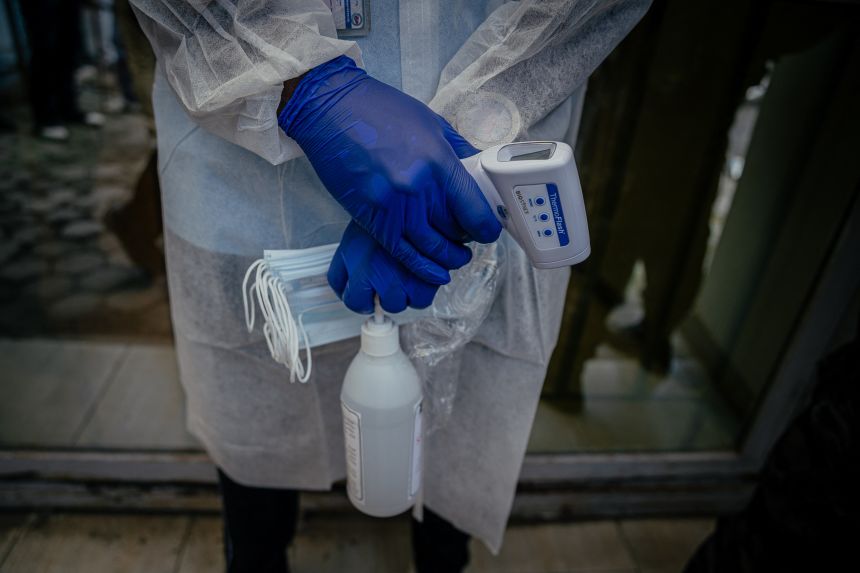
The good news is that major progress has been made over the past decade.
For the Zaire strain, an approved vaccine known as Ervebo has become a key tool in outbreak response efforts. There are also approved treatments that have improved survival rates for infected patients.
However, the current concern centres on the Bundibugyo strain, for which no approved vaccine currently exists.
According to CEPI and the World Health Organization (WHO), several vaccine candidates are now being fast-tracked for testing as scientists work to close that gap.
Researchers hope these efforts will strengthen the world’s ability to respond to future outbreaks involving different Ebola strains.
How are health authorities responding?
The WHO, Africa CDC and other international health agencies are coordinating surveillance and response efforts in affected countries.
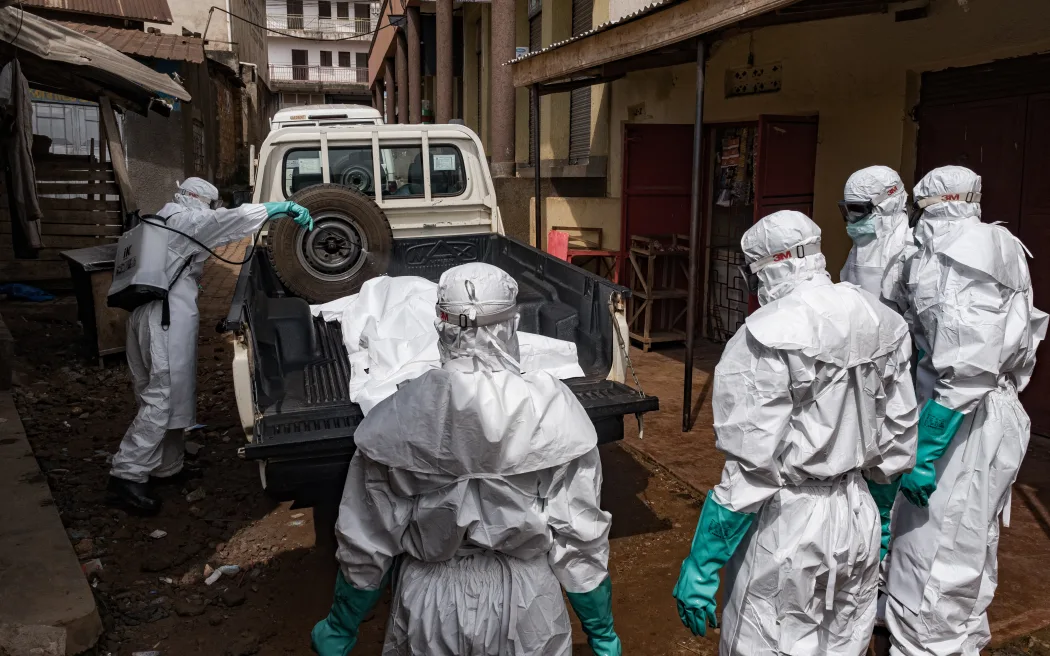
Health workers are tracing contacts, monitoring suspected cases and strengthening outbreak-control measures to prevent wider spread.
Countries across Africa are also increasing preparedness efforts at airports, border crossings and healthcare facilities.
The goal is straightforward: detect cases quickly, isolate infected individuals and stop transmission before outbreaks grow.
Should Nigerians be worried?
Nigeria is not currently experiencing an Ebola outbreak.
However, health authorities remain vigilant because of the country’s large population, busy airports and extensive travel links across Africa.
The experience of 2014 demonstrated how quickly an imported case could become a public health emergency if not managed effectively.
For this reason, the Nigeria Centre for Disease Control and Prevention (NCDC) has advised healthcare workers to remain alert and has continued surveillance measures aimed at detecting any potential cases early.
There is no cause for alarm, but there is every reason for preparedness.
What lessons has Nigeria learned?
One lesson stands above all others: speed saves lives.
Nigeria’s successful containment of Ebola in 2014 remains one of the country’s most significant public health achievements.
At the centre of that success was the late Dr. Ameyo Adadevoh, the physician who recognised the danger posed by Nigeria’s first Ebola patient and insisted he be isolated despite considerable pressure to release him.
Her actions helped prevent what could have become a much larger national outbreak.
Nigeria’s response also demonstrated the value of rapid contact tracing, effective emergency coordination, public awareness campaigns and strong cooperation between health agencies.
Another lesson was the danger of misinformation. During the 2014 outbreak, false claims circulated that drinking or bathing in salt water could prevent Ebola. Health experts repeatedly warned that such rumours were not only ineffective but potentially dangerous.
How can people protect themselves?
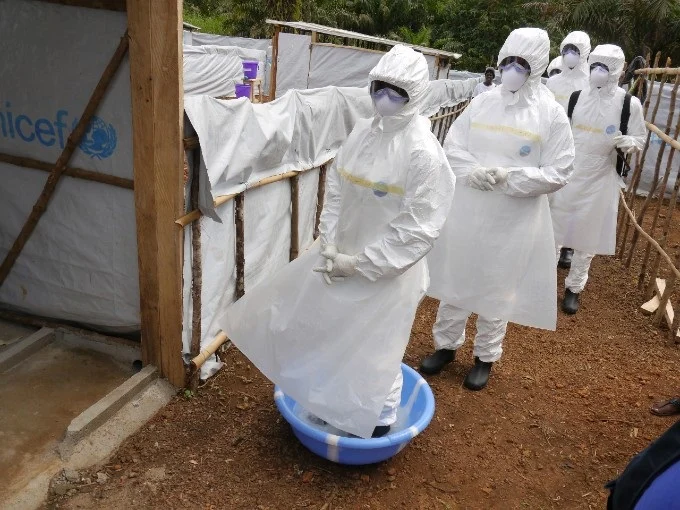
There are a few simple but important precautions to know
Wash your hands regularly with soap and water. Use alcohol-based hand sanitisers when necessary. Avoid contact with the bodily fluids of sick individuals. Avoid handling bats and other potentially infected wildlife. Ensure meat and animal products are properly cooked. Seek medical attention immediately if you develop symptoms after travelling to an affected area.
Prompt reporting and early treatment can save lives.
The Road Ahead
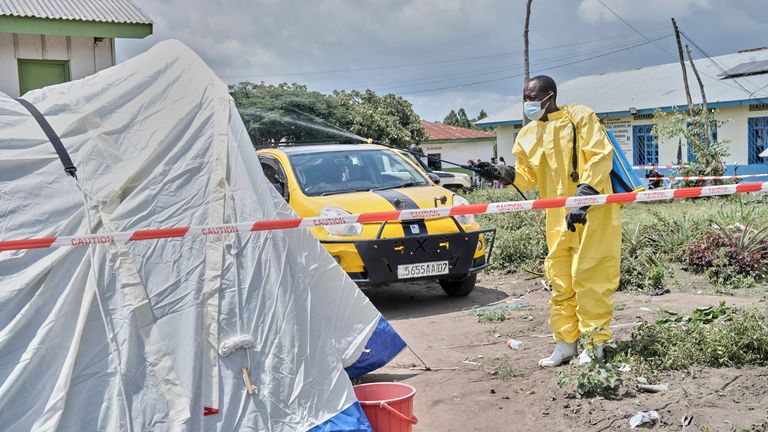
The world is far better prepared for Ebola than it was a decade ago. Scientists understand the virus better, surveillance systems are stronger, and vaccines now exist for some strains.
Yet recent outbreaks serve as a reminder that Ebola has not disappeared. The virus remains a threat, particularly in regions with weak health systems and limited access to healthcare.
In the coming months, global attention will focus on efforts to contain current outbreaks and on the development of new vaccines that could provide protection against the Bundibugyo strain.
For Nigeria, the lesson from 2014 remains as relevant as ever: vigilance, preparedness and swift action can make the difference between a contained case and a national crisis.
For now, awareness, not alarm, is the appropriate response. But recent outbreaks are a reminder that Ebola remains a threat the world cannot afford to ignore. The country’s literary scene and demonstrate the enduring power of books to spark conversation, reflection and understanding.