


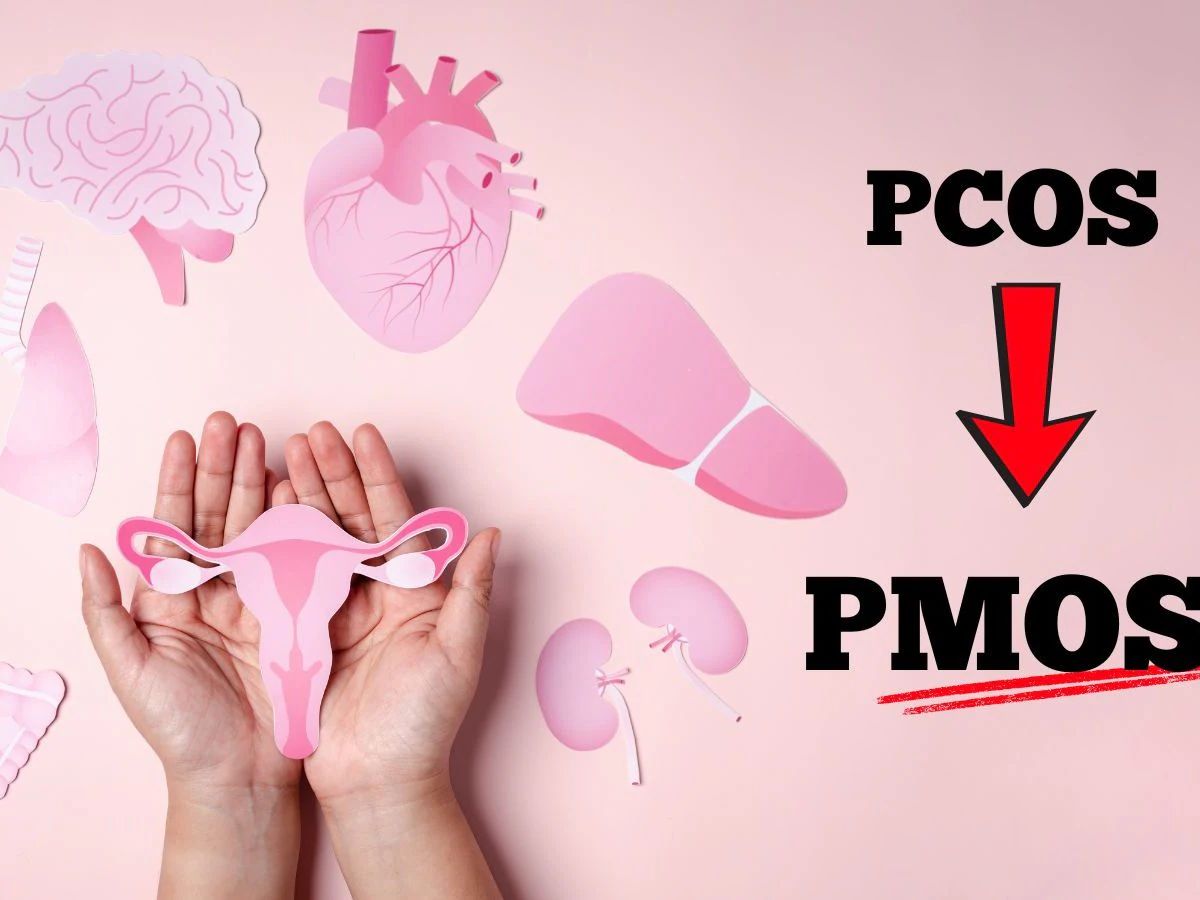
After 11 years and input from 22,000 patients and clinicians worldwide, PCOS has been renamed, and the change matters more than you think.
For years, millions of people were told they had a condition defined by cysts on their ovaries. Many went home confused because their scans showed no cysts at all. Some were dismissed by doctors who focused narrowly on fertility. Others spent years cycling through specialists, endocrinologists, dermatologists, and cardiologists, with nobody connecting the dots.
That long-running confusion now has an official fix.
Polycystic Ovary Syndrome (PCOS) has been officially renamed Polyendocrine Metabolic Ovarian Syndrome (PMOS). The change was published in The Lancet, one of the world’s most respected and influential medical journals, on 12 May 2026. The Lancet is a leading peer-reviewed medical journal that publishes major global health research and is often used by doctors, scientists, and policymakers to guide clinical practice and health policy. This publication marks the conclusion of a major international review process and signals strong scientific backing for the new name.
PMOS affects 1 in 8 people with ovaries, about 170 million people worldwide. It disrupts hormones, interferes with the body’s ability to regulate blood sugar, affects the menstrual cycle, causes skin conditions like excess hair growth and acne, and takes a significant toll on mental health. It is not one problem. It is many, all connected.
The old name never fully described the problem. “Polycystic” means many cysts, but a significant number of people with the condition have no ovarian cysts at all. The name pointed doctors and patients toward the ovaries and away from the bigger picture: a complex, whole-body hormonal and metabolic disorder. That misdirection had real consequences. Diagnoses were delayed. Insulin resistance, a key feature of the condition, went untreated. Patients reported feeling dismissed or misunderstood for years.
The new name corrects this. “Polyendocrine” reflects that multiple hormonal systems are involved, not just the reproductive system. “Metabolic” acknowledges the condition’s deep links to blood sugar regulation, weight, cardiovascular health, and diabetes risk. “Ovarian” keeps the reproductive connection without letting it define the whole condition.
The renaming didn’t happen overnight. Led by Professor Helena Teede at Monash University in Australia, the process engaged more than 22,000 patients, clinicians, and researchers across 11 years, with over 56 organisations involved. The result was published in one of medicine’s most respected journals.
What It Means
For patients, the name change is more than symbolic. It signals to doctors that treatment must look beyond the ovaries, addressing insulin resistance, cardiovascular risk, and mental health alongside reproductive concerns. People who were previously told their symptoms were unrelated now have a framework that connects them. Those who spent years undiagnosed because they didn’t fit the “cysts” picture may find the path to diagnosis shorter for the next generation. And for the estimated 170 million people already living with this condition, clinical guidelines in 195 countries will be updated over the next three years, with changes flowing into medical education and how the disease is formally classified worldwide.
“Renaming this condition is more than semantics,” said Dr. Melanie Cree of the University of Colorado. “It’s about finally recognising the full reality of what patients experience.”
The condition has not changed, but how the world understands it has. With PMOS, experts hope the conversation moves beyond the ovaries and toward a more complete understanding of a complex, whole-body condition that has been misunderstood for decades.
The name is new. The condition is the same. But what clinicians look for and how early they look may never be the same again.