

Every week, we throw 10 questions at someone whose mind we find fascinating — the thinkers, founders, innovators, policymakers, builders, and culture-shapers quietly changing how we see the world and inspiring us to do things not just differently, but better-differently. First thoughts only.
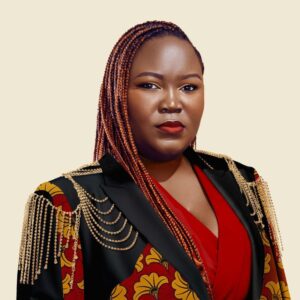
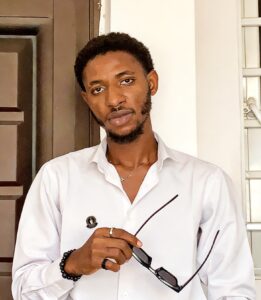
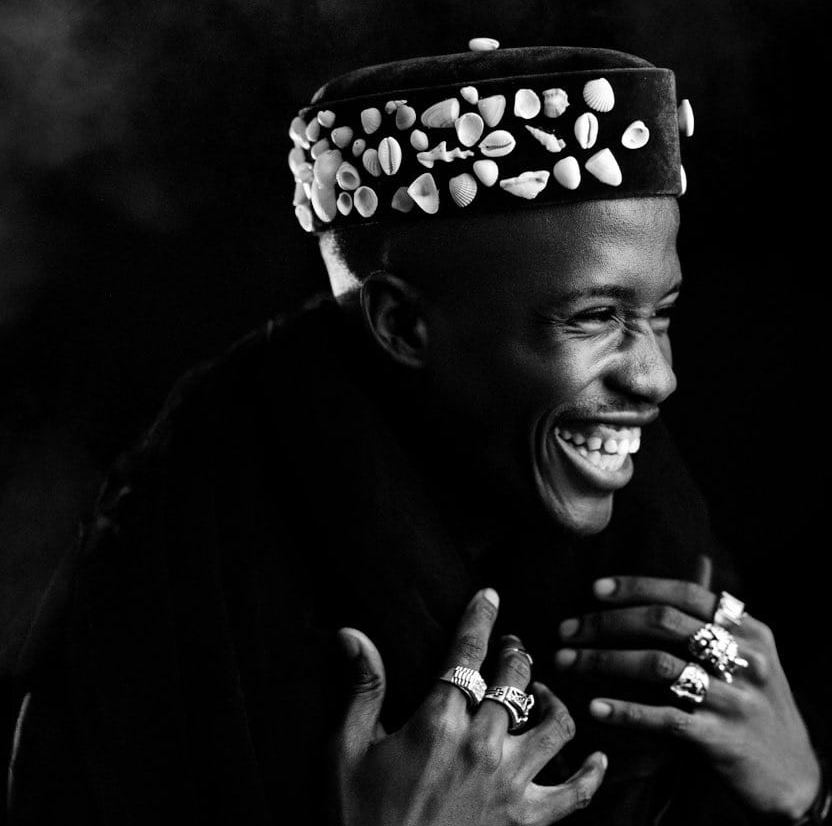
This week, meet Odunayo Olabode, better known as Quistar, a Canon-certified photographer who does not just take pictures, but make people feel seen. For nearly a decade, he has been turning faces into bold, timeless imagery that refuses to be ordinary.
He has celebrated influential Nigerian women through the Worthy Woman Initiative, revealed the quiet majesty of market women through Empire Within, and invested in the next generation of visual storytellers through his annual workshop, Spectrum.
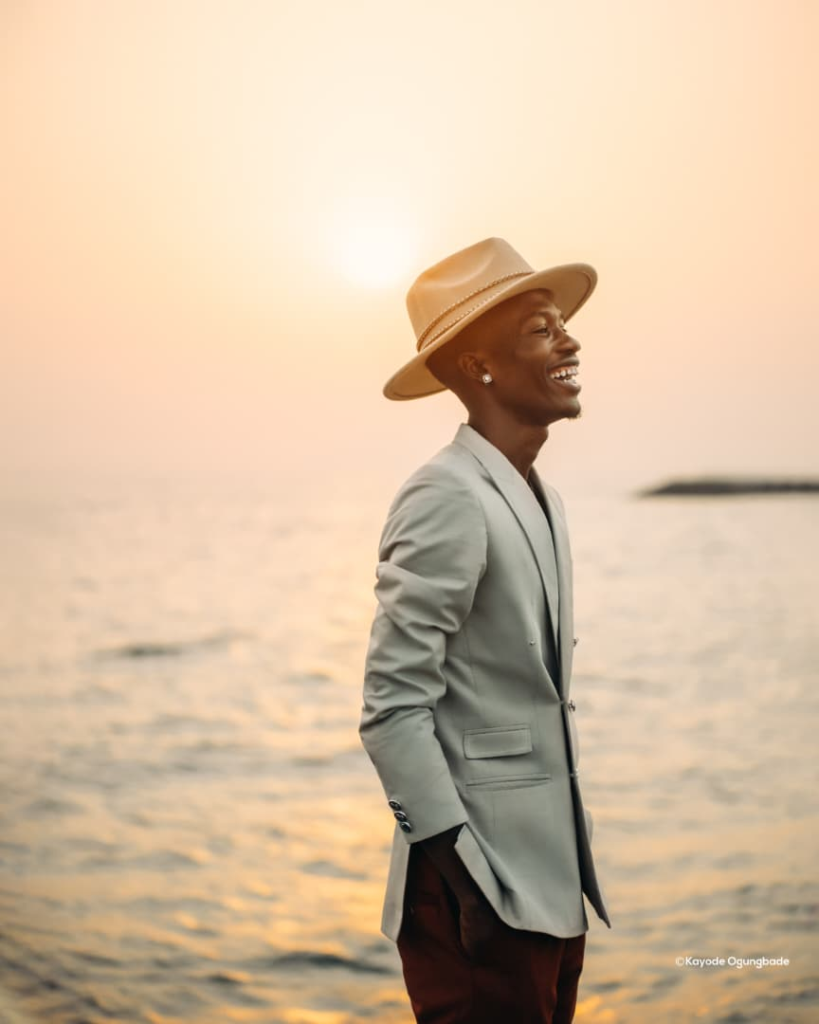
YNaija named him one of Nigeria’s top 50 photographers in 2024, and his work continues to reshape how photography tells deeper, more meaningful stories in the Nigerian creative scene.
When he is not behind the lens, you will find him in a Lagos market or deep in a Mortal Kombat session somewhere only he knows about.
What does it take to turn a single frame into something people do not just see, but feel?
Read as Quistar shares his thoughts on photography, beauty, and the art of making the overlooked unforgettable:
- You picked up a camera in university, what were you trying to capture then, and how different is that from what drives you now?
Honestly, I was just trying to have fun with the camera. I started by being a technical photographer – it was my mind before my heart. I’m now learning how to tell stories and capture emotions.
- When you raise your camera to take a shot, what are you actually looking for before you press the shutter?
I’m looking for the moment where everything aligns. The light, the skin, all elements on the scene, and most especially, the humanity conveyed through my subject’s expression. The moment when they all align.
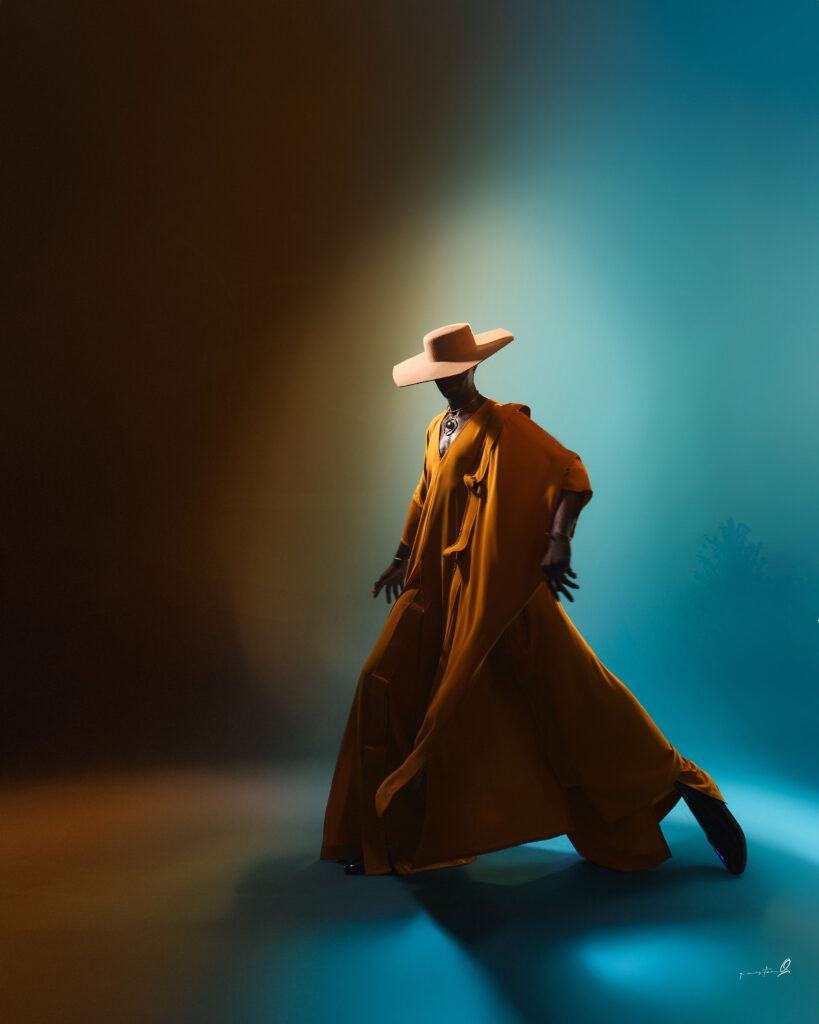
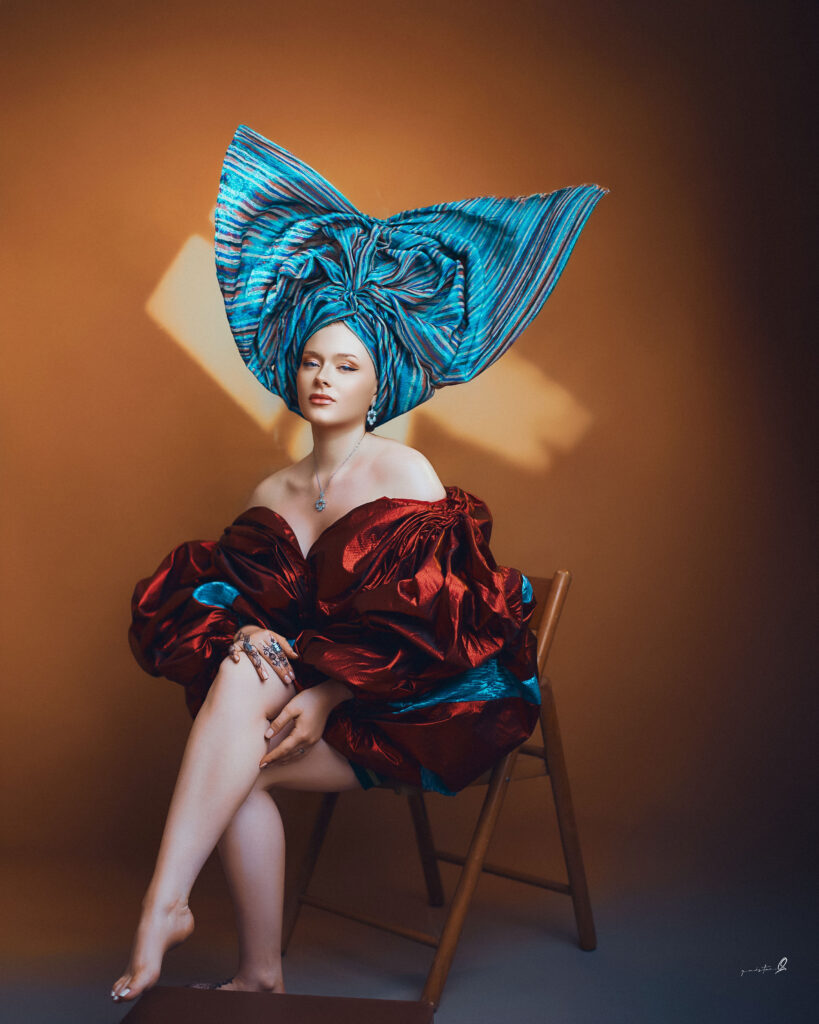
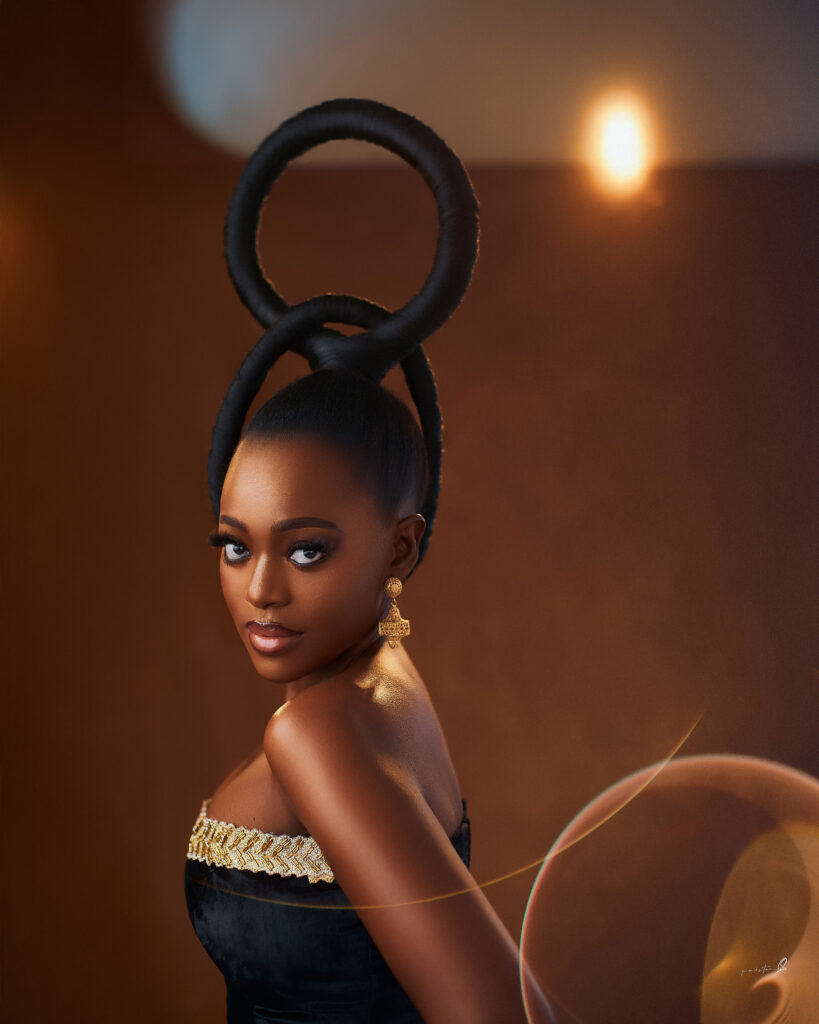
- Who shaped your eye the most, and where do you see their influence when you look back at your own work?
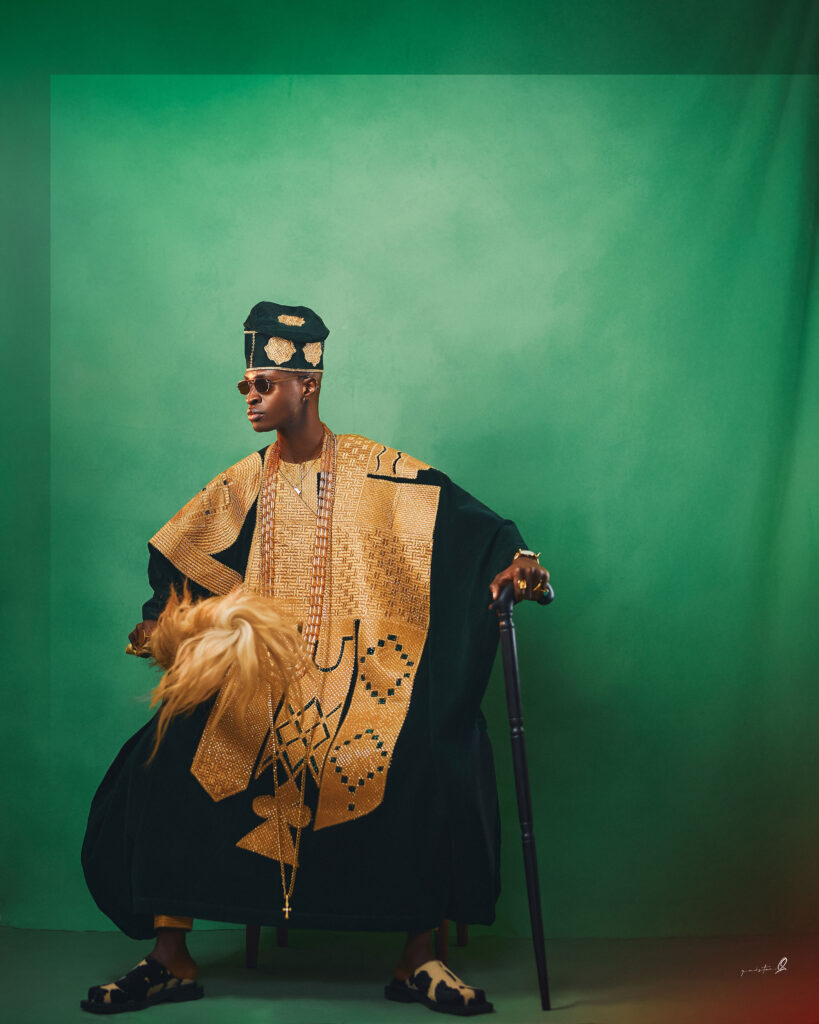
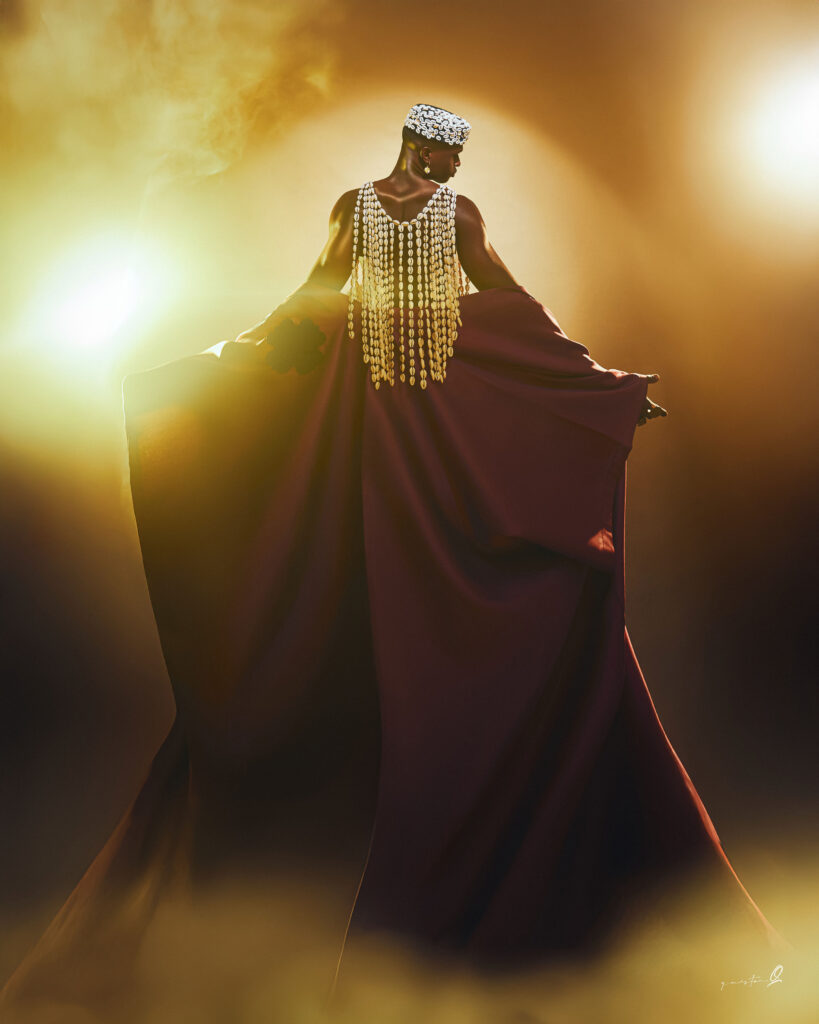
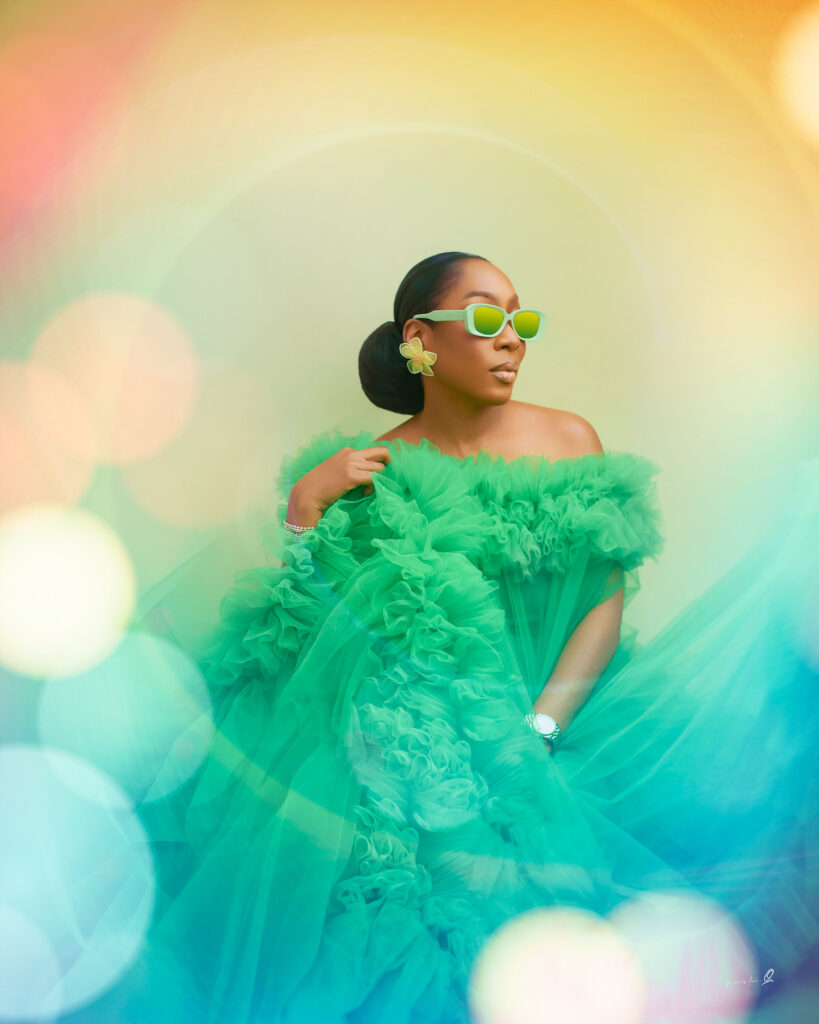
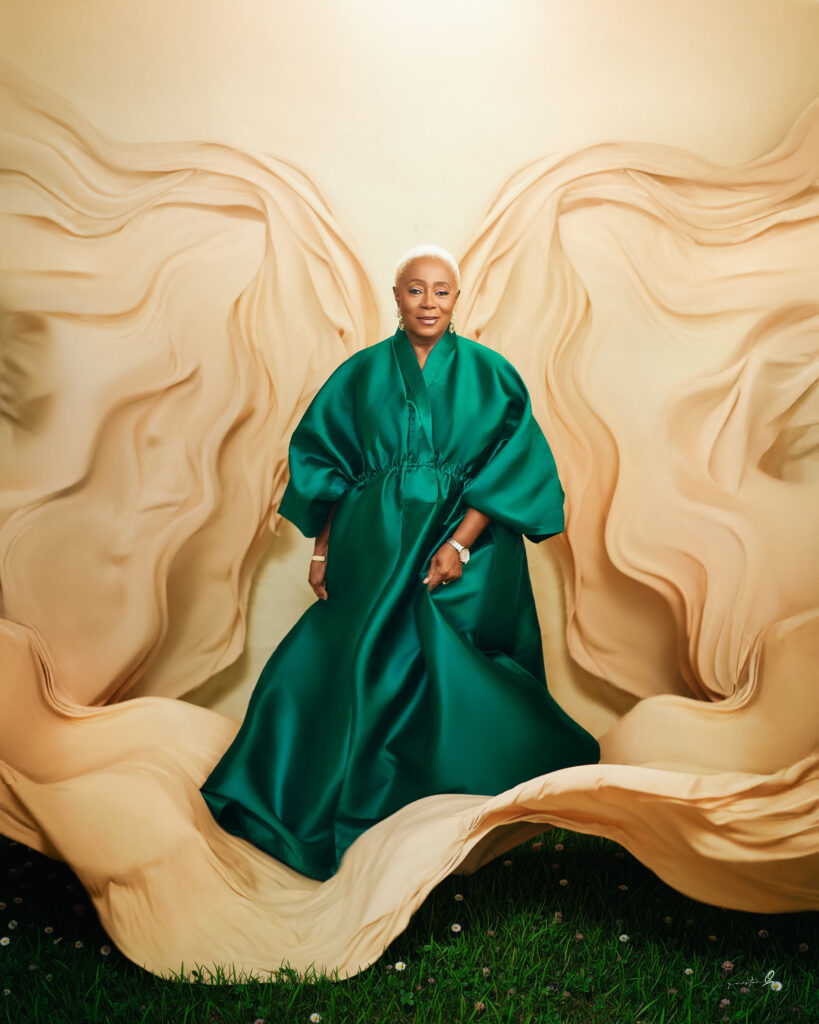
In Nigeria? TY Bello. Through her work, I started to see every single thing (apart from my subject) on set as a malleable material that I could basically make into what I like. The outfit is not an outfit, it can become water, it can become a colour splash. The backdrop is not a backdrop, it can be a negative space, it can be a garden. Etc. More recently, Annie Leibovitz. I sit down sometimes and think about how many decades I have to put into this to even begin to wade into her waters.
- Looking back at your earliest work from those university years, what do you see in those photographs that you could not have seen then?
Life. Emotion. The story of a specific point in time.
- As someone working in a space where the mobile phone has made everyone a photographer, how do you define what separates your work from the noise?
I’m saying this with utmost humility, but I think all you have to do is see my work to know that actually, not everyone is a photographer. (😂).
- What is the most technically difficult shot you have ever had to execute, and what did pulling it off teach you about your own patience?
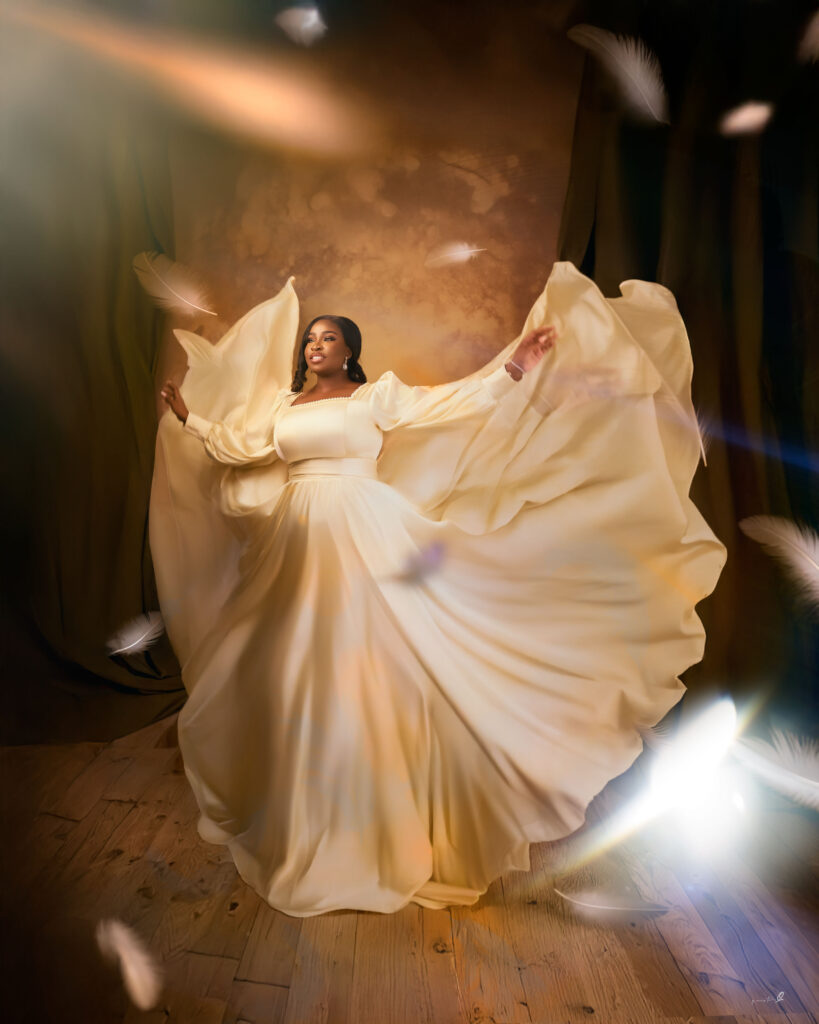
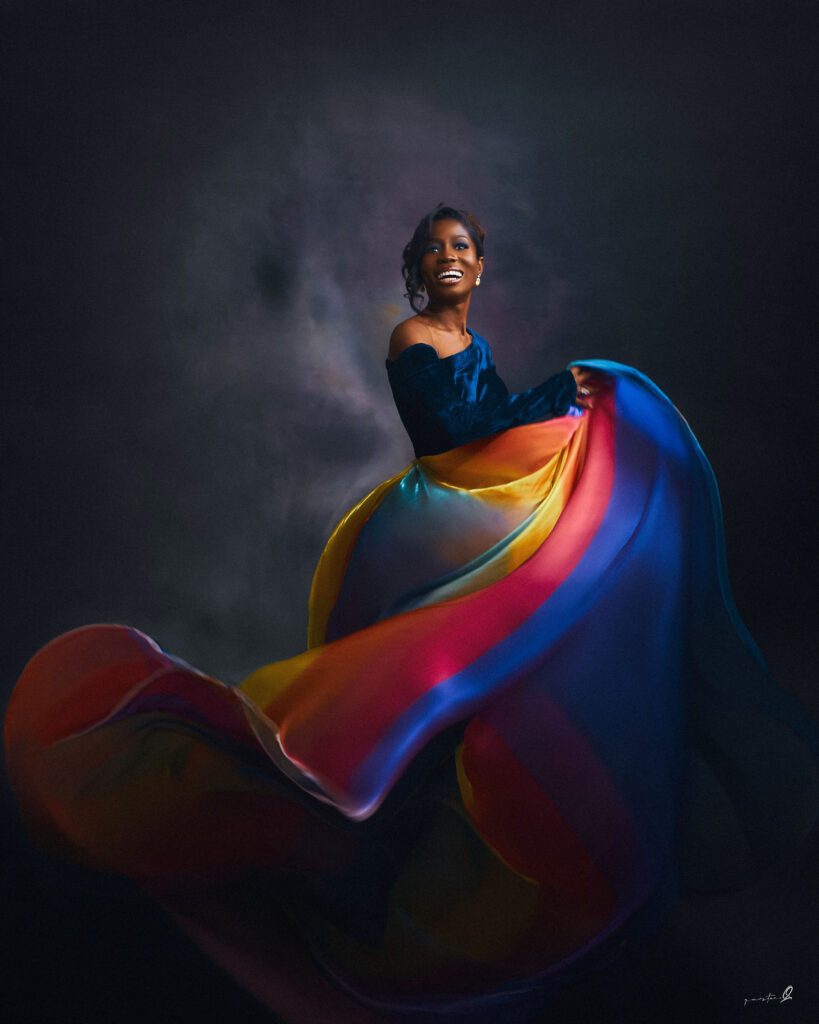
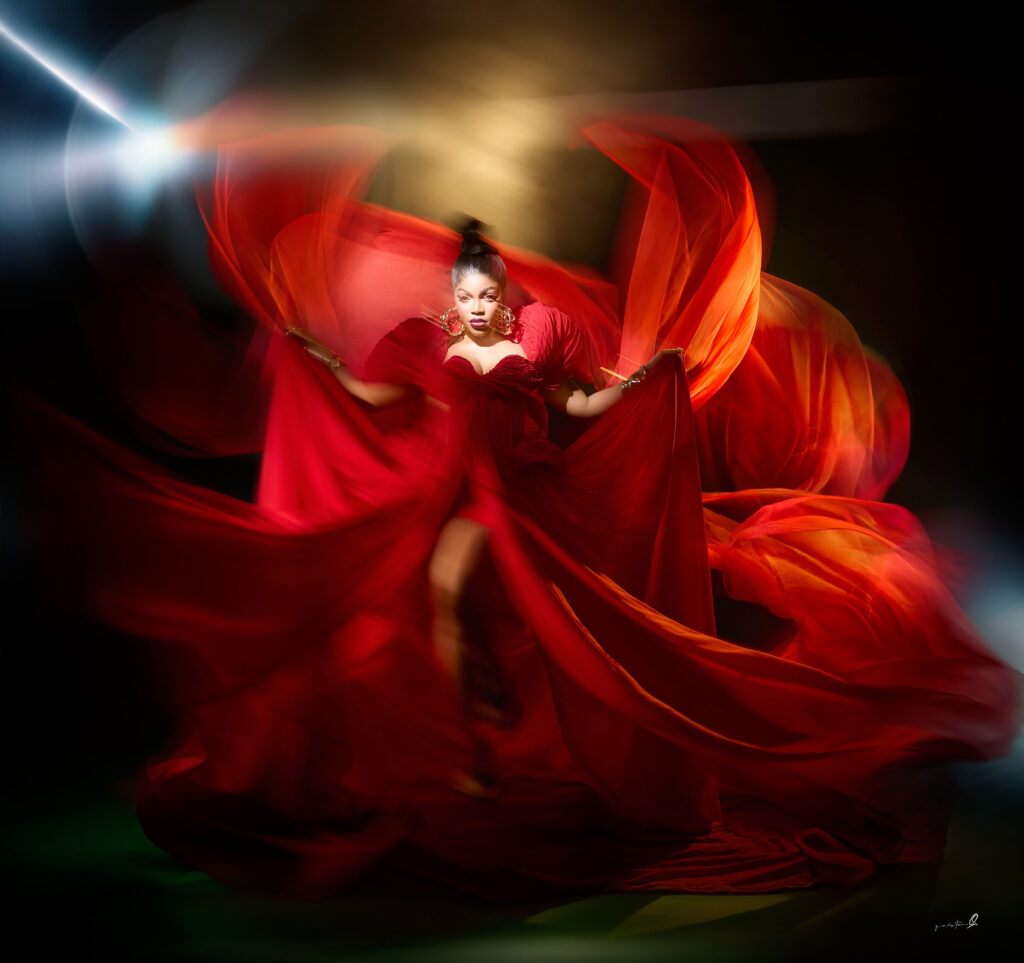
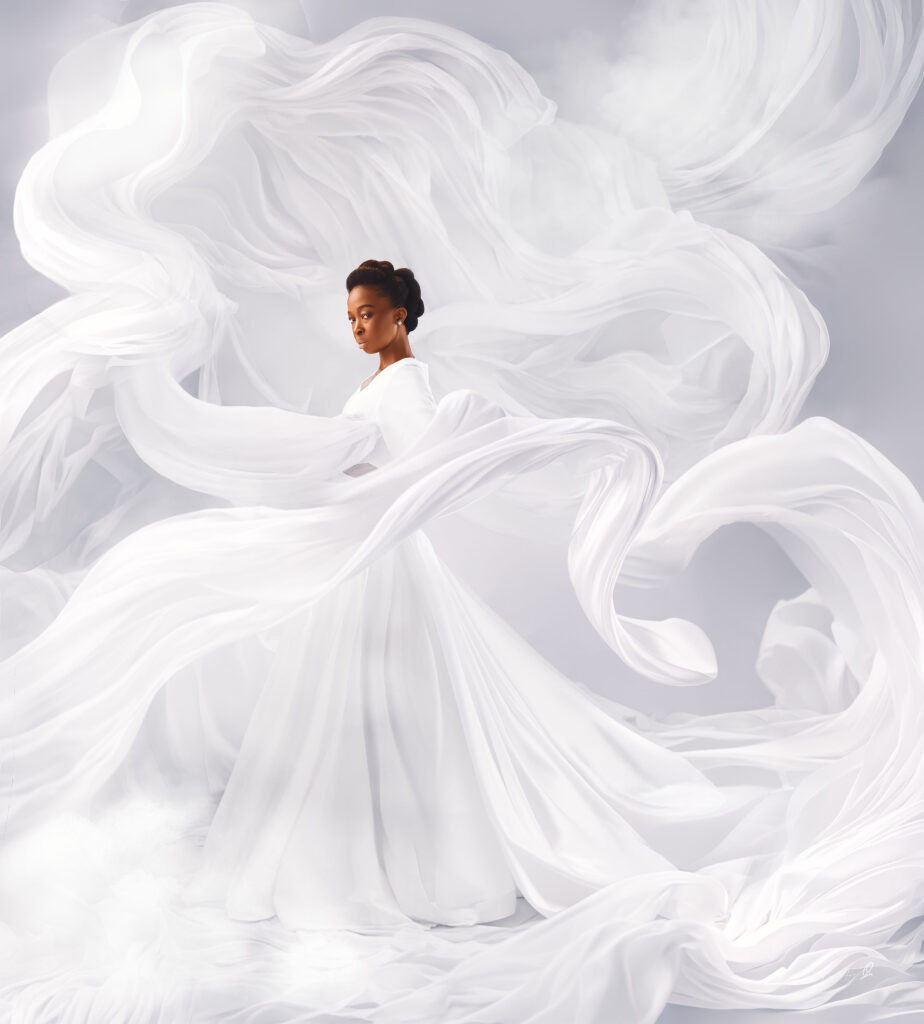
I’m an extremely experimental photographer. It’s how I stay relevant. So, my next shoot is always more technical than the last. But I think it was my first successful flying fabric shot. I chased that for a while.
- What is a photograph someone else took that you wish you had taken, and what does it do that you are still learning how to do?
Annie Leibovitz took a pregnant bikini Vogue photo shoot of Melania Trump at the back of a private jet, with Donald Trump sitting in a Mercedes next to it. Anytime I think about the peak of luxury photography, I think about that. I’m learning to get my mind to that kind of place. I’m from humble beginnings, so I’m trying to learn to put my mind at different spaces mentally, so I can create better for people in that space.
- How much of your best work has been planned, and how much has come from simply being present when something happened?
Because of the way Lagos is, I’m forced to be a studio photographer. So planning is kind of necessary. But also because of the way my mind works, and the fact that a lot of my work is elevated in post-processing, I believe 80 percent of my best work crept up on me at 3am in the middle of the night – when everyone is asleep.
- What in your view is the greatest photograph ever published? If it’s not a Nigerian one, which Nigerian photograph would you say is the G.O.A.T?
Kevin Carter’s The Vulture and the Little Girl. Pulitzer Prize winner for Feature Photography award in 1994. For Nigeria, it’d be something by T.Y Bello. It’s like she’s an ocean with no boundaries.
- If one of your photographs could shift how Nigerians see themselves or their country, which image would you want it to be and why?
I have a project I’m working on called Empire Within. I try to photograph everyday people like your everyday pepper seller or mechanic in a completely different dimension. I would love for it to be an image from that series. I think it’s my calling, and it kind of shows me that when Nigerians are happy or having their dreams fulfilled, we are different. If only we could be in an environment that would allow that to happen often.
Connect with Odunayo Olabode (Quistar) on X: @quistar_