

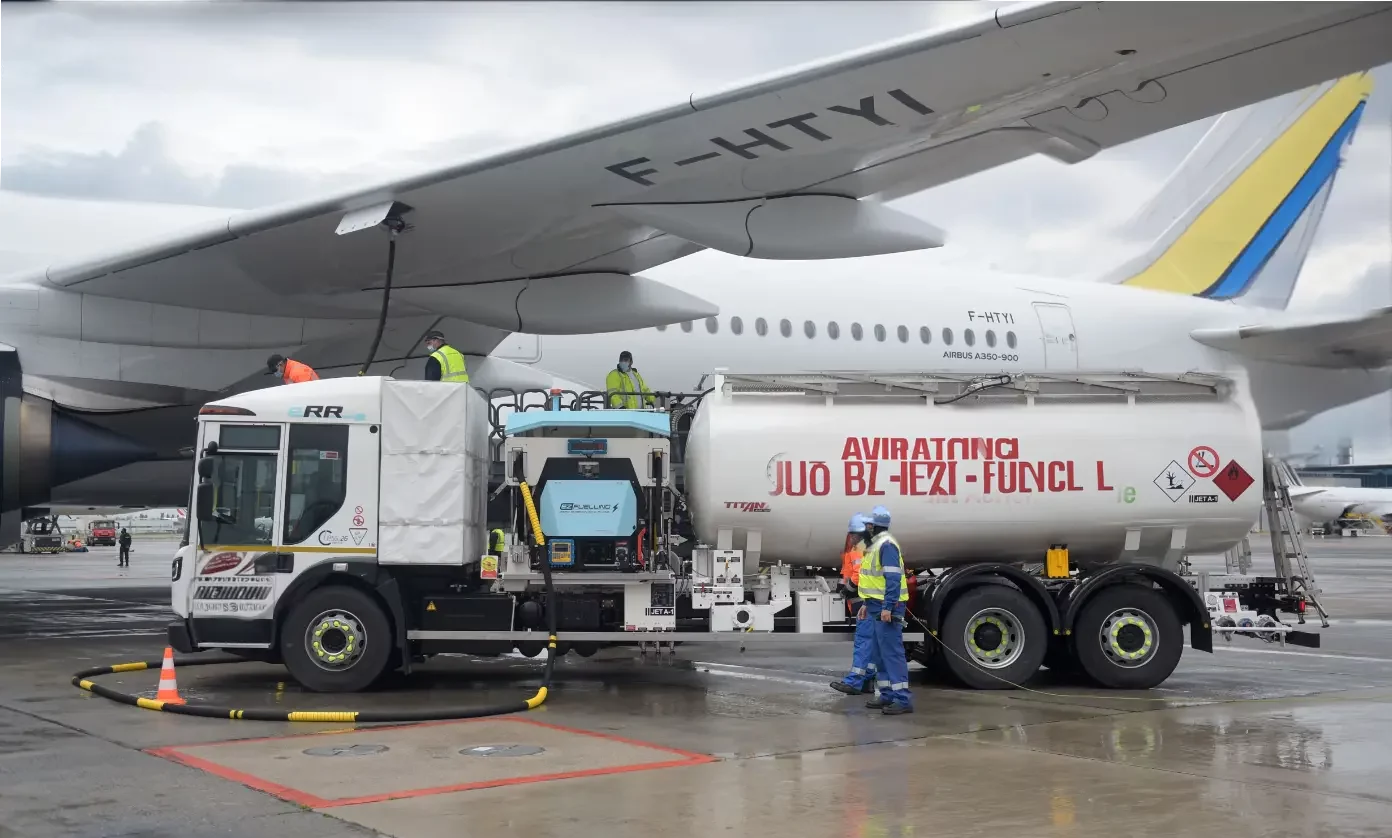
The federal government has begun emergency consultations to address rising Jet A1 aviation fuel prices and supply constraints after domestic airlines warned that escalating costs could threaten flight operations.
The intervention followed meetings in Abuja on April 22 and 23 convened by the Minister of Aviation and Aerospace Development, Festus Keyamo, with airline operators, oil marketers and aviation regulators, according to a statement issued Thursday by the ministry.
Jet A1 fuel is a major cost component for airlines, and fluctuations in its price often affect ticket fares, route schedules and profitability in Nigeria’s aviation market.
According to the statement, the talks focused on “growing concerns over the sustainability of airline operations amid escalating aviation fuel prices.”
Speaking during the engagements, Keyamo said the government would seek to balance market forces with the need to protect essential services.
He said, “Nigeria operates a free-market system; market forces must not be allowed to undermine public interest or disrupt critical national services.”
The minister added that regulators would continue to monitor developments in the sector and intervene where necessary.
As part of immediate steps, the government announced the appointment of representatives from airlines, fuel marketers, regulators and government agencies to form a working committee.
The committee is expected to meet within the next 48 to 72 hours to develop what the ministry described as “a transparent, fair, and sustainable pricing framework for Jet A1 fuel.”
Domestic carriers have repeatedly cited fuel costs as one of the biggest pressures on operations, alongside foreign exchange volatility, aircraft maintenance expenses and airport charges.
At the meeting, the Vice President of the Airline Operators of Nigeria (AON) and Chairman of Air Peace, Allen Onyema, said the current pricing trend was unsustainable.
According to the statement, Onyema said prices had risen by more than 250 per cent, significantly above global trends.
He warned that airlines could struggle to maintain operations without urgent action, adding that any disruption in service would stem from economic realities rather than industrial action or policy resistance.
While airlines blamed high costs for operational strain, oil marketers attributed the price increases to supply shortages and broader market conditions, the ministry said.
The development comes as Nigeria’s aviation sector continues efforts to improve safety oversight and investor confidence. The ministry also said the International Civil Aviation Organization (ICAO) had concluded a recent audit of Nigeria’s aviation industry, with the country scoring 91.4 per cent compliance, up from 70 per cent in 2023.
The statement described the result as Nigeria’s highest aviation safety rating since independence, although independent details of the audit were not immediately available.
For passengers, any successful intervention on Jet A1 pricing could help reduce pressure on fares and improve schedule reliability. For airlines, the outcome may determine whether carriers can sustain current operations in the face of mounting costs.