

Simon Ekpa was once hailed by some as a bold advocate for Biafra’s self-determination. Living in Finland, the Nigerian-born activist leveraged social media to project himself as a successor to Nnamdi Kanu after the IPOB leader’s arrest in 2021. With fiery rhetoric, he commanded attention across borders, attracting a loyal base.
But beneath the slogans of freedom lay a trail of violence, fear, and bloodshed. Ekpa’s call for sit-at-home orders paralysed the South-East of Nigeria for years, crippling local economies and fuelling insecurity. Now, with his recent conviction in Finland for incitement and terrorism-related activities, his journey offers sharp lessons on how rhetoric can spiral into ruin.
Who Simon Ekpa Was Before
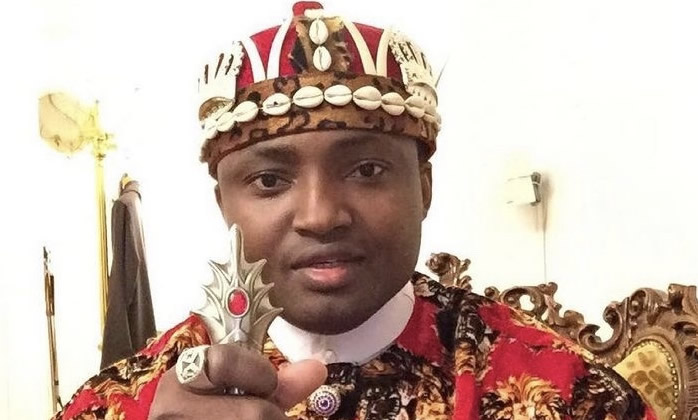
Born in Ebonyi State, Nigeria, Simon Ekpa trained as a lawyer and later settled in Finland, where he became involved in politics and even contested local elections. For many years, he maintained a relatively low profile in Nigerian political discourse. His moment came in 2021, when IPOB’s leader Nnamdi Kanu was arrested in Kenya and brought to Nigeria.
Ekpa quickly positioned himself as Kanu’s heir apparent, assuming the role of IPOB’s “Prime Minister of the Biafra Republic Government in Exile.” From Finland, his broadcasts began shaping narratives in Nigeria’s South-East, despite his physical distance.
Timeline of Atrocities and Escalation
2021 – Post-Kanu Arrest
- Ekpa rose to prominence, leveraging his digital platforms to rally pro-Biafra supporters.
- He declared uncompromising sit-at-home orders every Monday to demand Kanu’s release.
2022 – Violence Deepens
- From his base in Finland, Ekpa builds a sizeable online following, styling himself as a factional voice of the Biafra agitation and amplifying “sit-at-home” directives.
- Enforcers of the sit-at-home policy unleashed violence across the South-East, attacking civilians, transport workers, and businesses.
- Reports link Ekpa’s directives to killings, destruction of property, and widespread fear.
2023 – Resistance Grows, But Grip Remains
- Fresh rounds of “sit-at-home” calls, including extended shutdowns, again coincide with killings, arson on highways, and attacks on markets and schools in Imo, Anambra, Enugu and beyond.
- Traditional rulers, governors, and civil society begin openly condemning Ekpa’s orders.
- Economic losses mount, with estimates running into billions of naira.
- Ekpa doubled down, accusing critics of betrayal.
2024 – International Scrutiny
- Nigerian government lodged complaints with Finnish authorities over Ekpa’s actions.
- Civil society organisations and diaspora groups call for sanctions, citing his role in fuelling terrorism.
- Finnish police briefly detain Ekpa in Lahti for questioning and release him the same day. The move underlines Helsinki’s growing concern about alleged incitement originating from Finnish soil that has cross-border consequences.
2025 – Conviction in Finland
- Finnish prosecutors file formal charges. Coverage in Finland details counts, including aggravated incitement to terrorism and terrorist financing, allegedly conducted from Finland but intended to trigger violence in Nigeria.
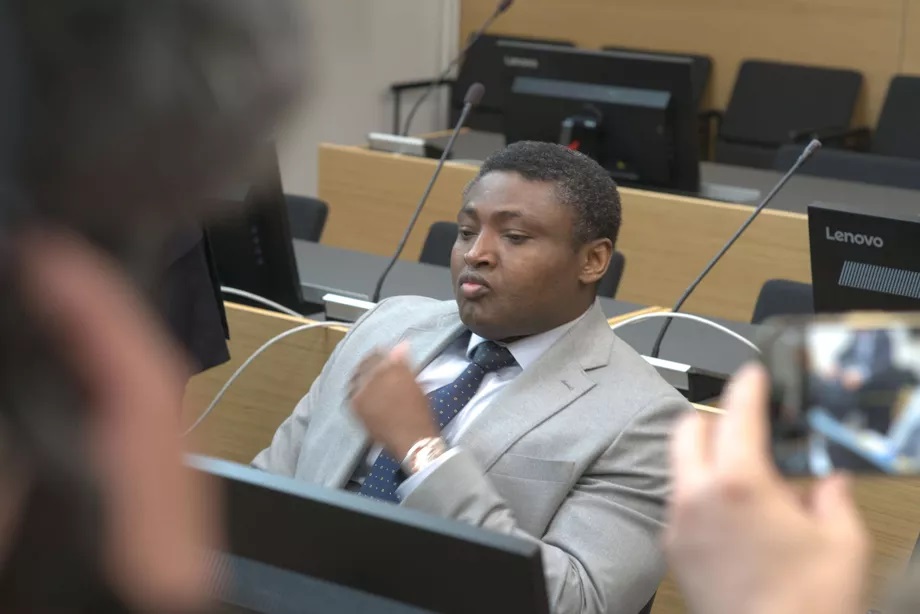
- Finnish courts find Ekpa guilty of incitement and terrorism-related activities.
- Finnish media report that a district court convicts Ekpa on multiple terrorism counts related to incitement and financing and hands down a multi-year custodial sentence.
- The ruling signals international recognition of the tangible harm caused by his remote agitation.
Ekpa’s story exposes the dark side of globalisation: how a man thousands of kilometres away could incite violence in his homeland through a smartphone and internet connection.
While Ekpa styled himself as a freedom fighter, the results were far from liberatory. His actions devastated the same region he claimed to defend. Schools closed, investors fled, families were torn apart, and blood flowed—all in the name of “freedom.”
The End of an Era?
Simon Ekpa’s conviction may close one chapter, but the scars of his campaign will linger in Nigeria’s South-East. His fall is a reminder that movements built on fear rarely last and that leadership without accountability inevitably collapses.