

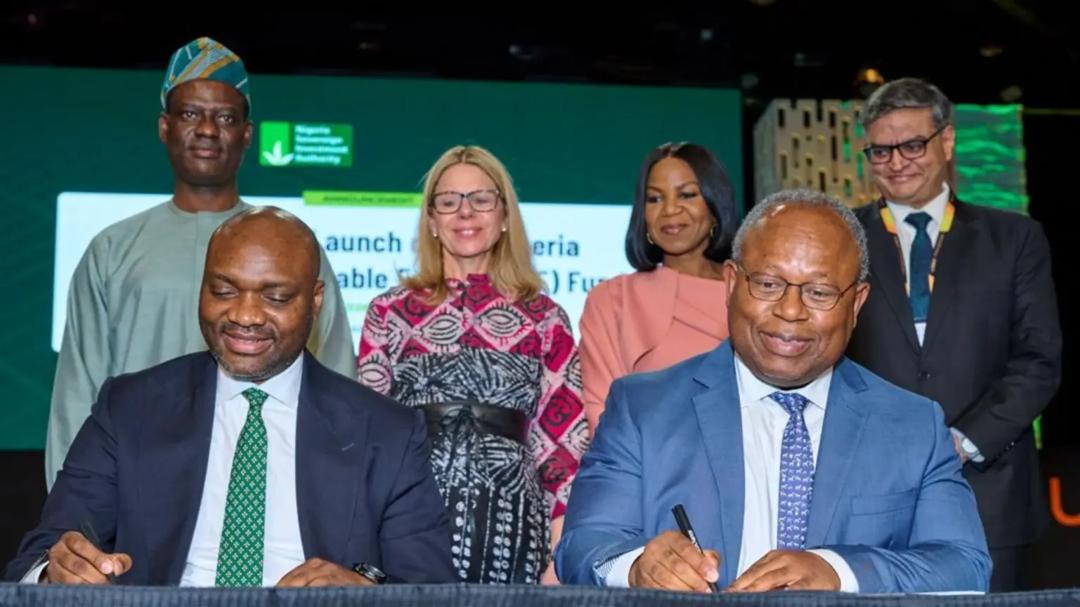
The $300m fund will finance mini-grids and standalone solar projects, targeting communities and businesses underserved by Nigeria’s conventional power infrastructure.
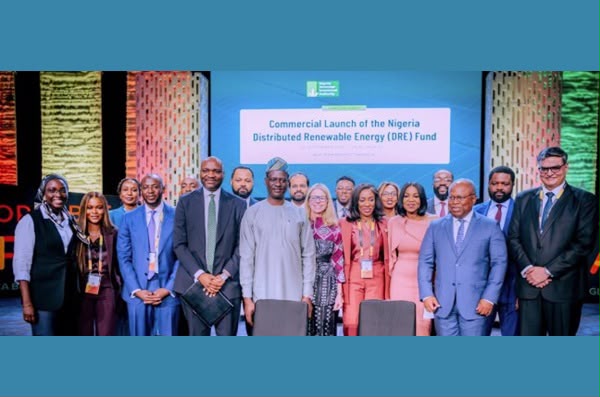
The Nigeria Sovereign Investment Authority (NSIA), Africa50 and Sustainable Energy for All (SEforALL) have commercially launched a $300 million Nigeria Distributed Renewable Energy (DRE) Fund to expand electricity access through off-grid and decentralised power projects.
The launch took place in New York on the sidelines of the United Nations General Assembly and marks the transition of the fund from its structuring phase to active capital deployment.
The fund is designed to mobilise public and private investment for distributed renewable energy projects, including mini-grids and standalone solar systems, particularly in communities and businesses that remain underserved by traditional electricity infrastructure.
Fund Targets Underserved Communities
Unlike conventional power projects that depend on large generation plants and the national transmission network, distributed renewable energy systems generate electricity closer to where it is consumed.
The partners said the new fund is intended to help address Nigeria’s electricity-access gap while supporting businesses and communities that face limited or unreliable access to the national grid.
NSIA Managing Director and Chief Executive Officer, Aminu Umar-Sadiq, said the commercial launch signals that Nigeria’s distributed renewable energy market is ready for investment at scale.
“This is a major development milestone,” Umar-Sadiq said, describing the launch as a signal to investors, governments and development partners that the market is “investable, credible and ready to operate at scale.”
The fund is expected to support developers working on projects such as mini-grids and standalone solar systems, allowing electricity generation to reach locations where extending conventional grid infrastructure may be difficult or costly.
World Bank Commits $25m
The $300 million vehicle is being supported by several international and regional partners.
The World Bank is a founding partner and has made an initial $25 million contribution through the International Development Association (IDA). That represents about 8.3% of the fund’s targeted size.
World Bank Group Managing Director of Operations Anna Bjerde said reliable and affordable energy was important for job creation and economic transformation across Africa.
She said the bank’s initial contribution reflected its commitment to combining development finance with other sources of capital to deliver electricity connections to communities.
The structure is intended to use development and public financing to attract additional private-sector investment into distributed renewable energy.
Africa50, SEforALL Join NSIA
The fund is co-managed by NSIA and Africa50, an infrastructure investment platform established by African governments and the African Development Bank.
Africa50 Group Chief Executive Officer Alain Ebobissé said the partnership combines NSIA’s knowledge of the Nigerian market with Africa50’s pan-African investment and fund-management capabilities.
SEforALL, led by Chief Executive Officer Damilola Ogunbiyi, is providing energy-access expertise to the initiative.
Ogunbiyi said the fund would help translate Nigeria’s electricity-access ambitions into investment and new connections, while supporting the wider Mission 300 target.
Link To Mission 300
The Nigeria DRE Fund is aligned with Mission 300, an initiative seeking to connect 300 million people across Africa to electricity by 2030.
The partners said Nigeria’s fund is intended to serve as a model that can eventually be replicated in other African countries.
International Solar Alliance Director-General Ashish Khanna described the initiative as the first country-level demonstration linked to the broader continental financing platform.
He said the financing structure could help mobilise capital more efficiently, support local renewable-energy markets and accelerate progress towards wider electricity access.
Africa50 has previously described the Nigeria fund as the first country-specific fund under a planned pan-African distributed renewable energy platform, with the broader platform designed to mobilise blended financing for renewable energy investments across Africa.
From Fundraising To Deployment
The latest development is significant because the fund is no longer simply being structured or planned.
Its commercial launch means the vehicle is moving into the capital deployment phase, with investments expected to support distributed renewable energy companies and projects across Nigeria.
The partners said the initiative could help attract further private capital into Nigeria’s renewable energy market while supporting the development of local companies in the sector.
For households and businesses without reliable access to the national grid, however, the eventual impact will depend on how quickly projects are financed, built and connected.
The fund therefore shifts the focus from securing a financing structure to how effectively the $300 million target can translate into new mini-grids, solar installations and, ultimately, more reliable electricity for underserved Nigerians.