

Iran says it has closed the Strait of Hormuz after fresh military clashes with the United States, raising fears of a wider conflict and possible disruption to global oil supplies. The United States, however, says commercial ships are still using the waterway.
Iran’s Islamic Revolutionary Guard Corps (IRGC) has closed the Strait of Hormuz to all vessel traffic and launched fresh strikes on United States military bases and allied positions in the Middle East, in a dramatic escalation that threatens to derail a fragile peace agreement reached just weeks ago and send shockwaves through global energy markets.
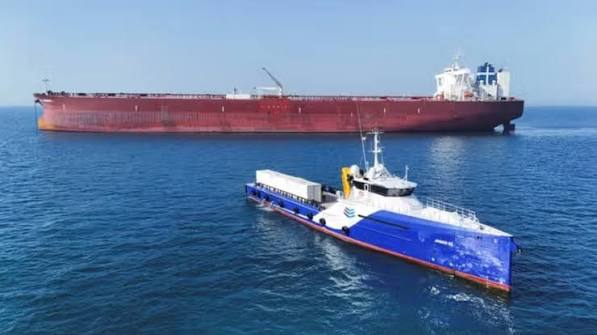
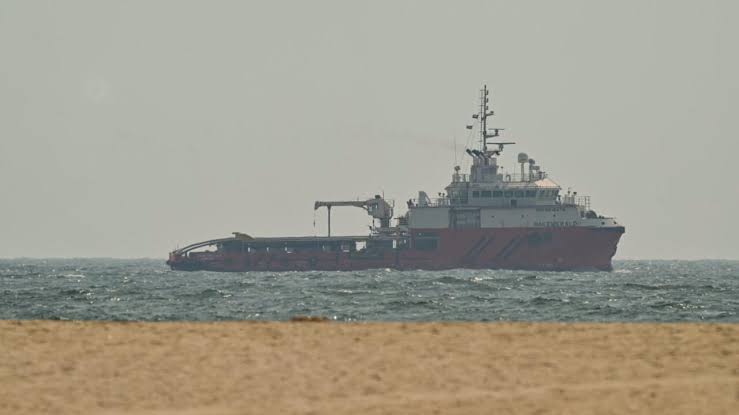
The announcement came after Iran said it fired warning shots at a vessel it accused of using an unauthorised route through the strategic waterway. The United States later carried out fresh strikes on Iranian targets, prompting Tehran to announce the closure of the strait and launch retaliatory attacks across the region. The United States says commercial ships are still passing through the waterway despite Iran’s announcement.
How the latest crisis unfolded
The IRGC said the targeted vessel was struck with warning fire and stopped after ignoring repeated instructions. The United States responded with a fresh wave of strikes, prompting Iran to declare the waterway closed and launch retaliatory attacks on US bases and allies across the region.
In a statement published by Tasnim News Agency, an IRGC-affiliated outlet, Iran’s military accused foreign powers of interfering in the strategic international waterway through what it described as unauthorised shipping activities.
“Given the precariousness that was caused by this unlawful interference by outside parties, the Strait of Hormuz is to be closed until further notice and until regional interference by the US ceases,” the IRGC statement reads.
“No vessel or naval craft will be allowed to pass.”
The IRGC warned that any US response to the closure would be met with “severity”, adding that military bases in the region would be targeted in the event of what it described as further aggression.
Iran’s parliamentary speaker signals hardened position
Mohammed Bagher Ghalibaf, Iran’s parliamentary speaker and the country’s chief negotiator with the United States, used the platform X to signal that Tehran’s patience with the diplomatic process had run out.
“We told you: keep your word or pay the price. Reality is knocking,” Ghalibaf wrote, adding that “the era of one-sided deals is OVER.”
The peace deal that is now unravelling
The escalation comes just weeks after what appeared to be a significant diplomatic breakthrough. In June, the United States and Iran reached an agreement to end the Middle East war on all fronts, including in Lebanon, and reopen the Strait of Hormuz to shipping. Washington and Tehran indicated the deal would be formally signed in Switzerland, raising hopes of an end to months of conflict that had claimed thousands of lives and destabilised global energy markets.
However, the agreement has been beset by setbacks since its announcement, with both sides carrying out reprisal strikes in the intervening period. The closure of the Strait of Hormuz and the latest round of military exchanges represent the most serious breakdown in the process to date.
Why the Strait of Hormuz matters
The Strait of Hormuz is the world’s most critical oil chokepoint. Approximately 20 to 21 million barrels of crude oil and petroleum products pass through the narrow waterway daily, accounting for roughly 20 percent of global oil consumption and about one third of the world’s liquefied natural gas (LNG) trade. The strait, which at its narrowest point is only 33 kilometres wide, separates Iran from Oman and the United Arab Emirates and is the only maritime route linking the Persian Gulf producers, including Saudi Arabia, Iraq, Kuwait and the UAE, to global markets.
Previous Iranian threats to close the strait have historically triggered immediate spikes in global oil prices. A sustained closure would affect energy supplies across Europe, Asia and the United States, with cascading consequences for inflation, transport costs and economic stability worldwide.
Nigeria, as an oil-producing nation and net importer of refined petroleum products, would not be insulated from the impact. A prolonged closure could push global crude benchmarks sharply higher while simultaneously tightening the availability of refined fuel imports, compounding existing pressure on the naira and domestic pump prices.