


Today marks the International Day of Rural Development, a fitting moment to look at how Nigeria has tried to close the gap between its cities and rural areas.
With most of the nation’s poverty and over 80 percent of certain vulnerable populations concentrated in rural areas, government efforts have ranged from land reform to electrification. Here are five policies and laws worth knowing:
1. The Land Use Act of 1978
This law vested land ownership in state governors, aiming to make land access fairer and support large scale farming and irrigation projects across the country.
2. Agricultural Development Projects (ADPs)
Rolled out under Nigeria’s Fourth National Development Plan, ADPs were designed to modernize farming methods and shrink the gap between food demand and supply in rural communities.
3. River Basin Development Authorities (RBDAs)
Nine of these authorities were established to manage irrigation and water resources, supporting rural electrification through dam projects and boosting agricultural output.
4. The Electricity Act 2023 and Rural Electrification Agency (REA) Projects
This law decentralized Nigeria’s power sector, letting states and private investors run their own electrification schemes. The REA’s Distributed Access to Renewable Energy Scale Up project, backed by 750 million dollars, is working to bring power to over 17 million Nigerians through mini grids, with a national mapping exercise identifying more than 150,000 underserved communities.
5. Community Based Agricultural and Rural Development Programmes
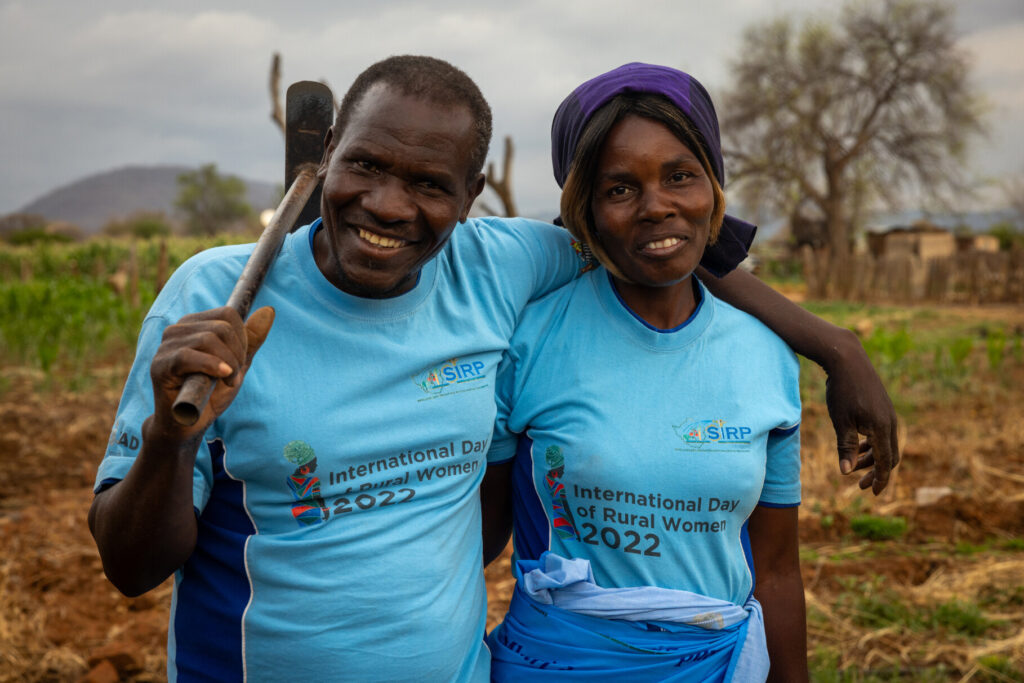
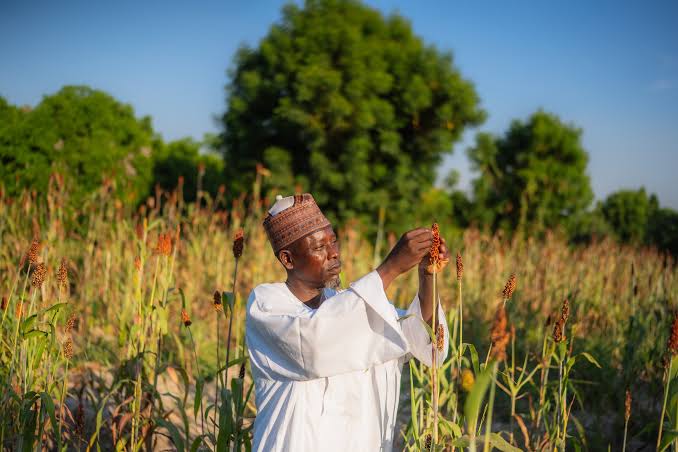
Supported by the International Fund for Agricultural Development (IFAD), these programmes target women, nomadic pastoralists, and small scale farmers in northern states like Sokoto, Kano, and Borno, aiming to improve incomes and living conditions for the most vulnerable rural groups.
Despite decades of plans, rural Nigeria still faces real gaps in infrastructure and services. But these policies show a continued, if uneven, effort to bring development closer to the people who need it most.