

Presidential tax adviser outlines urgent next steps to attract investment Chairman of the Presidential Committee on Fiscal Policy and Tax Reforms, Taiwo Oyedele, says Nigeria’s tax overhaul remains unfinished until critical gaps such as high corporate tax rates, regulatory overreach, and tariff inefficiencies are addressed. Speaking on Saturday while sharing insights from his 50th birthday lecture titled ‘Designing Tomorrow: Policy Blueprint and Lessons for the Future’, Oyedele outlined the urgent need for further reforms that go beyond revenue generation.
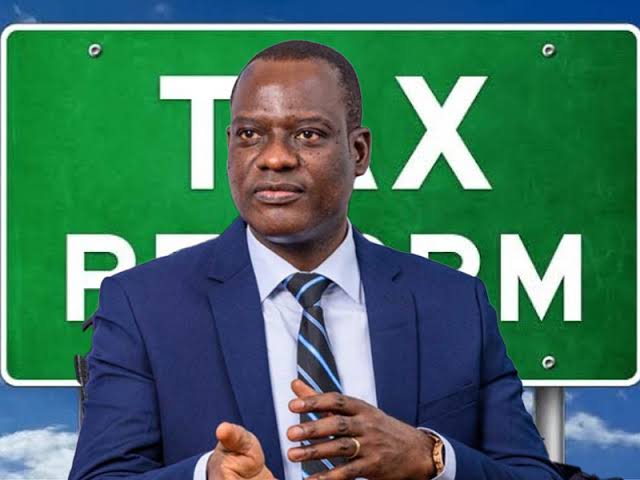
Coming just 10 days after President Bola Tinubu signed four key tax-related laws into effect—including the Nigeria Tax Administration Law and the Nigeria Revenue Service (Establishment) Law—Oyedele argued that reforms must be people-centered, investment-friendly, and inflation-conscious. “We still have unfinished business. We need to lower corporate tax rates to attract more investments and stimulate expansion. With high inflation, a high tax rate will invariably be taxing capital, not profit,” he said.
He called for a reduction in tariffs on raw materials and intermediate goods, currently twice the average for sub-Saharan Africa, warning that Nigeria’s economic competitiveness is at risk. Oyedele also proposed broader fiscal reforms such as digital tax systems, limits on discretionary forex demand, and tax payments in naira as tools to stabilise the currency. “Despite a comparable trade balance with Kenya and South Africa over the past decade, the Nigerian Naira has depreciated six times more. That alone explains our missed opportunity to be a trillion-dollar economy,” he said.
Beyond taxation, Oyedele pushed for reforms that support transparency, reduce corruption, and improve regulatory efficiency. He proposed the use of “tax-intelligent” systems, beneficial ownership disclosures, unexplained wealth orders, and better contracting rules to plug leakages in government spending. He warned against populist policy decisions made without sound economic grounding, saying, “After the applause, the pain will remain.”
The former PwC partner noted that the reforms so far have led to meaningful progress, including full income tax exemptions for over a third of Nigeria’s formal workforce, higher thresholds for small businesses, reduced tax burdens on essential goods, and clearer incentives for exports, digital jobs, and international business operations.
Oyedele concluded by urging policymakers and citizens alike to pursue knowledge, ask critical questions, and work together to build a fairer, more productive economy. “Ignorance compounds vulnerability and steals opportunities. Let’s build, not tear down,” he said.