


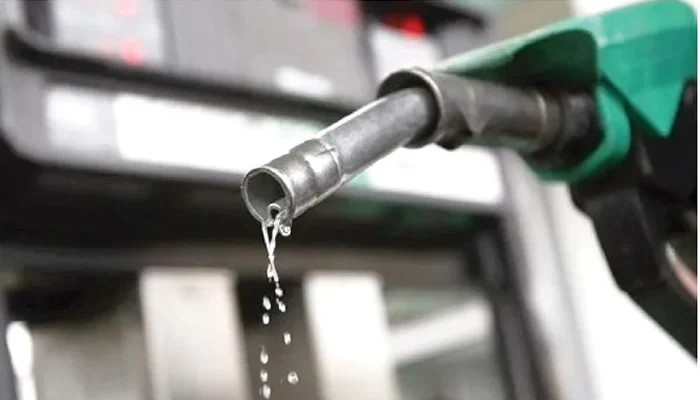
The Dangote Petroleum Refinery has raised the ex-gantry price of its premium motor spirit (commonly known as fuel) to N799 per litre.
The product’s price was increased by N100 from the previous price of N699 per litre, effective December 12, 2025.
The refinery announced on Tuesday that MRS retail stores will now sell the product for N839 per litre, up from N739 per litre.
“With the festive period concluded, PMS prices have been modestly realigned to sustainable levels to support long term market stability and affordability,” the refinery said.
“Under the current alignment, the PMS gantry price is N799 per litre, while MRS retail outlets are selling at N839 per liter.”
The refinery reaffirmed its commitment to market stability and uninterrupted nationwide supply of petrol.
“During the recent festive period, the Refinery implemented a deliberate and temporary price support intervention to cushion Nigerians at a time of heightened household spending,” the plant said.
“This marked the second consecutive festive season in which the Refinery absorbed significant costs in the national interest, including logistics support in 2024 and a price reduction in 2025 to promote affordability and market calm.”
Despite the price reduction, the refinery accused “many filling stations” of failing to “reflect the new price at the pump,” thereby denying Nigerians the benefits of the slash.
“As a domestic producer, Dangote Petroleum Refinery continues to shield the Nigerian market from import related volatility and external supply disruptions, while remaining a stabilising force in the downstream petroleum sector,” the plant said.
Dangote Refinery reaffirmed its commitment to provide energy security, price stability, and long-term value to Nigerians.
Speaking about the development, David Bird, CEO, stated that the refinery is currently supplying around 50 million liters of petrol to the domestic market daily, with statewide distribution functioning well.
He explained that the refinery’s adaptable architecture enables it to process a variety of crude and intermediate feed stocks, allowing it to sustain gasoline supply even during scheduled maintenance.
Bird noted that this ensures that domestic gasoline supplies is consistent and uninterrupted.