

Nigeria’s diverse cultural expressions have received increased global recognition as eight of its traditional practices have been inscribed on UNESCO’s Representative List of the Intangible Cultural Heritage of Humanity. The listings reflect the country’s rich artistic, spiritual, and communal heritage, spanning multiple ethnic groups and historical eras.
The latest additions: the Sango Festival, Oyo, Midwifery Knowledge and Practices, and the Kano Durbar join five previously recognised traditions that further reinforces Nigeria’s position as one of Africa’s most culturally vibrant nations. Here is a list of the cultural tradition that made the list:
1. Ifa Divination System (Inscribed in 2008)
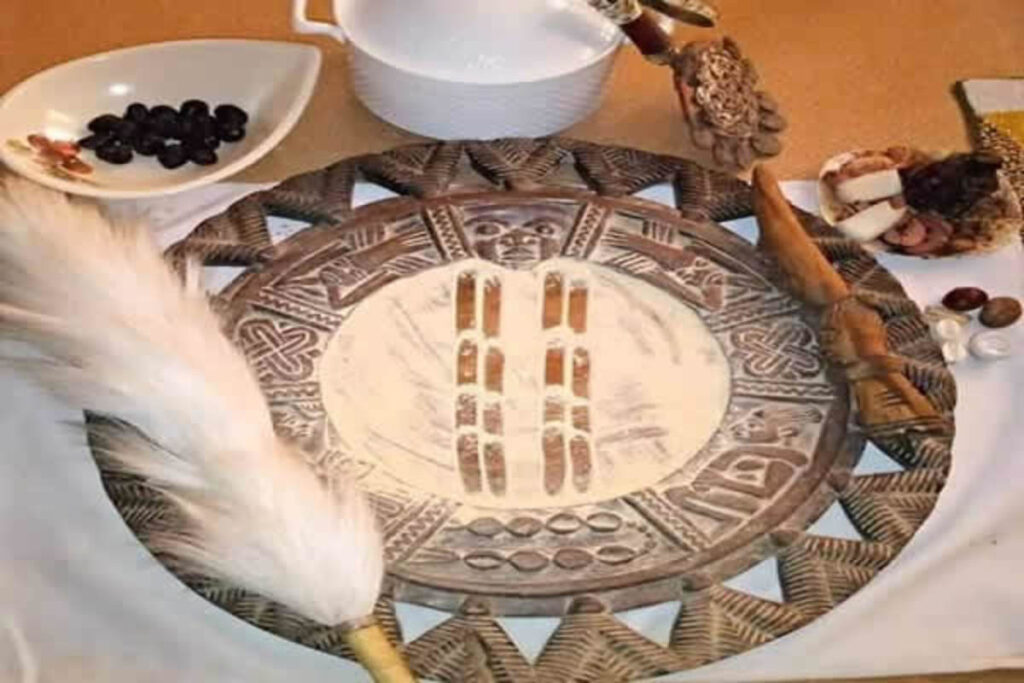
Inscribed for its complex corpus of texts, mathematical configurations, and philosophical teachings, the Ifa divination system remains a central reference point in Yoruba cosmology. Its preservation safeguards centuries of oral literature and intellectual tradition.
2. Oral Heritage of Gelede (Inscribed in 2008)
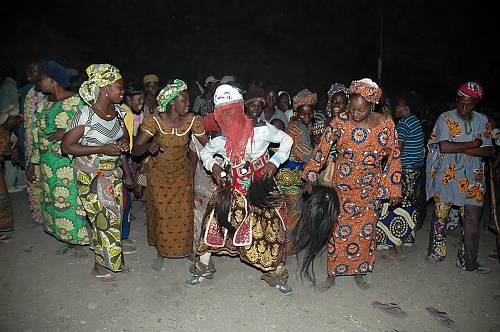
A Yoruba ceremony that honours female spiritual power, the Gelede tradition blends masked dances, satire, music, and rituals. UNESCO recognises it for promoting social harmony and celebrating the influence of women in community life.
3. Ijele Masquerade (2009)

Regarded as the apex of masquerade displays in Igbo culture, the towering Ijele mask appears during major festivals, funerals, and political ceremonies. Its artistic craftsmanship and elaborate symbolism earned it a place on the global heritage list.
4. Argungu International Fishing and Cultural Festival (2016)
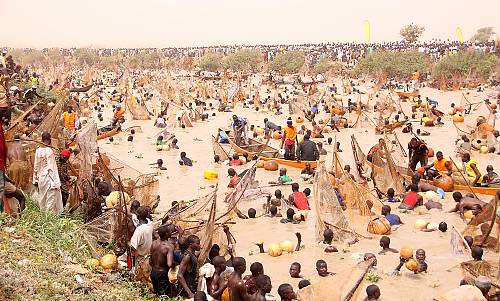
One of Africa’s most enduring festivals, Argungu showcases competitive river fishing, traditional music, craft exhibitions, and communal celebrations. The festival serves as a testament to the cultural identity and agricultural heritage of the people of Kebbi State.
5. Kwagh-Hir Theatrical Performance (2019)

This Tiv dramatic tradition incorporates storytelling, puppetry, masks, music, and dance to narrate social realities and moral lessons. UNESCO notes its importance in transmitting history and reinforcing community values.
6. Sango Festival, Oyo (2023)

Held annually in the ancient Oyo Empire, the Sango Festival celebrates the deity of thunder and lightning through dance, chants, drumming, and ritual performances. Its inscription recognises its historical depth and its role in sustaining Yoruba religious heritage.
7. Midwifery: Knowledge, Skills and Practices (2023)

This element captures the indigenous knowledge used by traditional midwives in pregnancy and childbirth. It reflects community-based healthcare systems and the intergenerational transfer of medical expertise, especially in rural areas.
8. Kano Durbar (2024)

A spectacular equestrian procession marking major religious and state events, the Kano Durbar features hundreds of horsemen adorned in elaborate regalia. UNESCO highlights the festival for its artistic richness, ceremonial structure, and longstanding historical significance.
Background
The Intangible Cultural Heritage of Humanity refers to the living traditions, practices, knowledge, and skills that communities recognize as part of their cultural identity. Unlike monuments or physical objects, these elements cannot be touched—they include oral traditions, performing arts, rituals, festivals, traditional craftsmanship, and knowledge about nature or the universe. They are the practices that shape a community’s way of life, passed down from generation to generation, and give it meaning, cohesion, and identity.
UNESCO formally established the concept in 2003 through the Convention for the Safeguarding of the Intangible Cultural Heritage. Its purpose is to protect and preserve these living traditions, raise awareness of their cultural significance, and ensure that they are not lost to modernization or social change. By recognizing and supporting intangible heritage, UNESCO helps communities safeguard their cultural diversity, strengthen social cohesion, and pass their unique knowledge and practices on to future generations.