

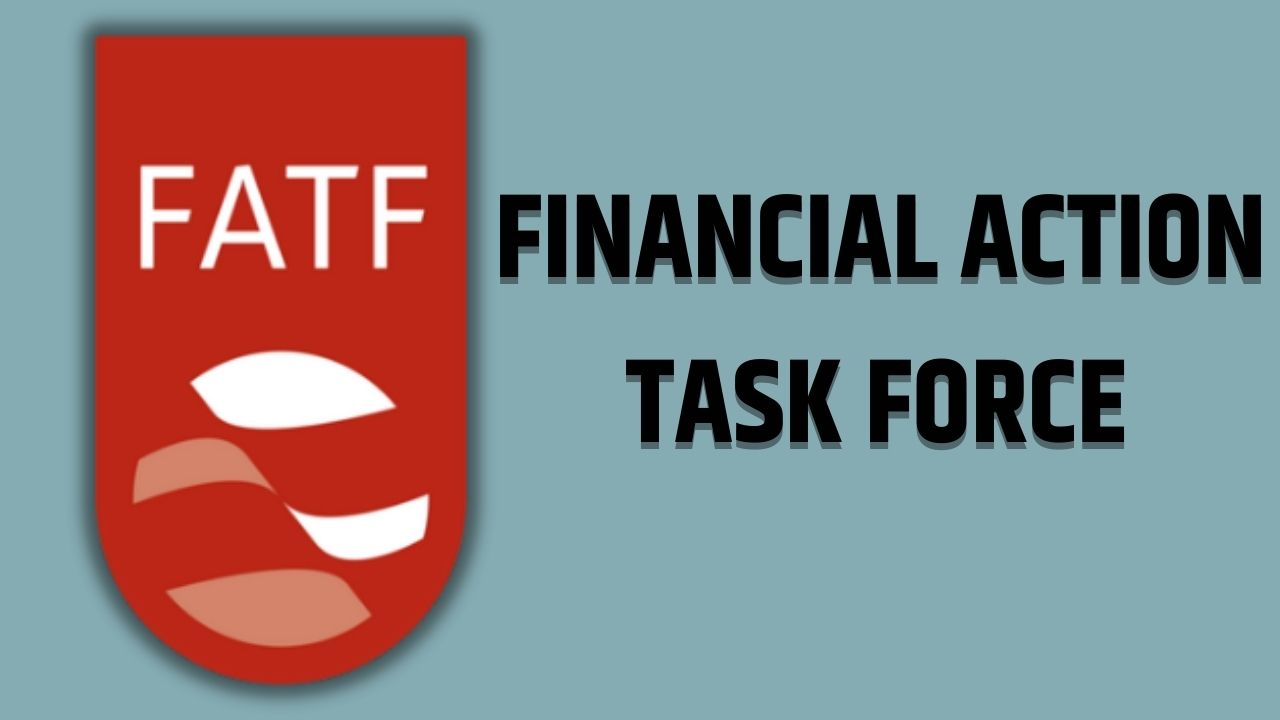
After two years of being on the global naughty list for financial misbehaviour, Nigeria has finally been declared fit for polite economic company again. The Financial Action Task Force (FATF) has taken us off its grey list, the global equivalent of being removed from the “under supervision” section of the world’s financial report card. Cue the celebration or at least a polite clap because this isn’t just about compliance; it’s about credibility.
The real question is: can Nigeria keep the lights on long enough to enjoy it?
It’s a big win, no doubt. We’ve been on the FATF grey list since 2023, a polite way of saying, “Your money-laundering prevention looks like a PowerPoint slide, not a system.” Being on that list meant other countries treated Nigerian bank transactions the way airport security treats your “innocent” bottle of water: with extreme caution.
But now, according to the announcement from Paris, Nigeria has passed all its tests. No more extra paperwork when sending money abroad, no more delays for diaspora remittances, and no more embarrassing “enhanced due diligence” every time a Nigerian businessman wants to open an account in Dubai.
President Bola Ahmed Tinubu called it “a major milestone in Nigeria’s journey towards economic reform, institutional integrity, and global credibility.” In fairness, that’s one of those rare government statements that’s hard to argue with. After all, we did the homework; new laws, new oversight bodies, and a coalition of regulatory agencies working tirelessly to restore credibility to Nigeria’s financial system.
But let’s not forget why we got here in the first place. In February 2023, FATF put Nigeria on the grey list because our anti-money laundering and counter-terrorist financing systems were, well, porous. Too many ghost companies, too many suspicious transfers, and too much cash flowing through the system without accountability. The world essentially told us, “We like your music, but your banking playlist is suspicious.”
Two years later, we’ve apparently turned a corner. The Nigerian Financial Intelligence Unit (NFIU) pulled off a small miracle by coordinating over a dozen agencies, from Customs to EFCC, to plug the leaks. The reforms were real, not just in press statements. There’s now a Beneficial Ownership Register to identify who actually owns companies, so shell firms can’t just launder cash under fancy names like “Divine Mercy Agro Ventures” or “Chukwuemeka Holdings (God First) Ltd.”
And let’s give credit where it’s due. Hajiya Hafsat Abubakar Bakari of the NFIU deserves her flowers. So do the teams that made this happen. It’s not easy convincing a system that treats reform like broccoli — healthy, but optional — to swallow hard and get serious about financial transparency.
Still, we should resist the urge to pop champagne just yet. Getting off the grey list doesn’t automatically mean our economy will start sprinting like Tobi Amusan. It simply means the referees are watching less closely, for now. Because if history has taught us anything, it’s that Nigeria loves to reform under pressure and relapse once the cameras leave. We treat international compliance like a diet, impressive effort under scrutiny, gentle relapse when the applause subsides.
Leaving the grey list is supposed to open doors for investors, for banks, for ordinary Nigerians. It’s a chance to build real credibility, not just for FATF, but for us. But credibility is like trust: it takes years to build and minutes to destroy. The real test isn’t whether we got off the list; it’s whether we’ll stay off it when nobody’s looking.
Let’s also be honest, the ordinary Nigerian on the street probably doesn’t care about FATF or grey lists. He cares that the price of garri has tripled. She cares that the exchange rate looks like a bad joke. For these citizens, “global financial credibility” only matters if it translates into food, jobs, and stability. That’s the real Action Plan that needs completing.
So yes, Nigeria is off the grey list. The global community has extended us a handshake. Now it’s up to us to make sure it doesn’t turn into another handshake across the face. Because in the end, transparency shouldn’t just be an export requirement, it should be a national habit.
We’ve cleaned up nicely for the FATF. The question is: can we keep the house clean for ourselves?