

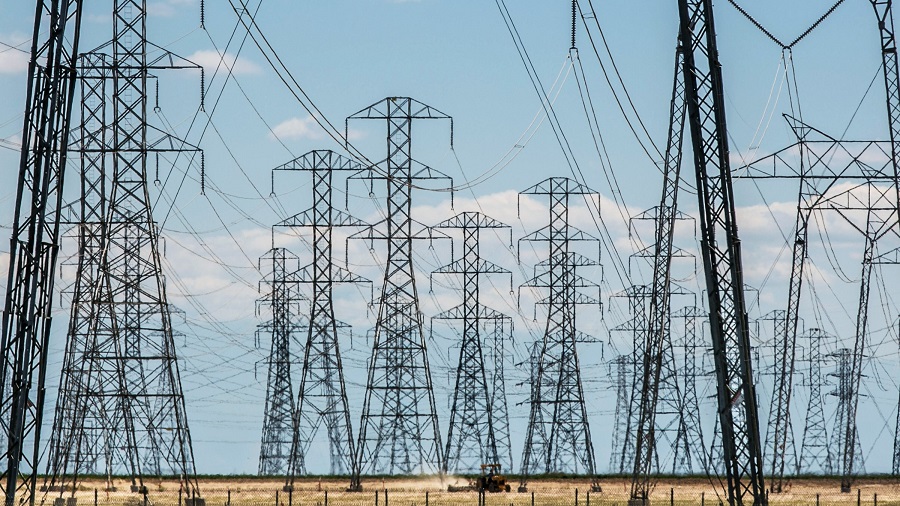
The federal government has finalized the implementation framework for the ₦4 trillion Presidential Power Sector Debt Reduction Plan.
The framework, endorsed by President Bola Ahmed Tinubu and the Federal Executive Council (FEC) in August, provides for the issuance of government-backed bonds to settle verified arrears owed to power generation companies (GenCos) and gas suppliers. This is a debt backlog that has long hobbled private investment and power delivery nationwide.
The agreement was sealed after a high-level meeting in Abuja on October 7 between Wale Edun, minister of finance and coordinating minister of the economy; Bayo Adelabu, minister of power; and Olu Verheijen, special adviser to the president on energy. Senior executives of leading GenCos also attended the session, which focused on payment modalities and bilateral negotiations to finalise settlement terms.
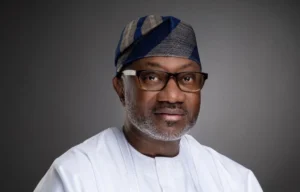
“For the first time in years, we are seeing a credible and systematic effort by government to tackle the root liquidity challenges in the power sector,” said Tony Elumelu, chairman of Heirs Holdings and Transcorp Power. “We commend President Tinubu and his economic team for this bold and transformative step.”
Kola Adesina, group managing director of Sahara Power Group, described the framework as “a significant signal of renewed confidence” in Nigeria’s reform process. “It shows seriousness of purpose and a willingness to back policy with action,” he said.
A Clean Slate for Power Reform
The plan which is the largest fiscal intervention in the sector in more than a decade is expected to reset Nigeria’s electricity market by clearing legacy debts that have weakened balance sheets and strained the gas supply chain.
According to Verheijen, the initiative is part of a broader reset of the sector to make it more attractive to investors.
“Our focus is on creating the right conditions for investment — from modernising the grid and improving distribution to scaling embedded generation,” she said. “We are shifting from crisis response to sustained delivery and building the confidence needed to attract large-scale private capital.”
Edun said the reforms go beyond financial settlement, describing them as “a rebuilding of fundamentals.”
“They are about ensuring the power sector works for investors, for citizens, and for the next generation,” he said. “This is how we turn reliable power into a catalyst for growth.”
The debt plan complements wider efforts to scale renewable energy, leverage domestic gas as a transition fuel, and strengthen Nigeria’s institutional capacity for energy reform.
If successfully implemented, it could pave the way for new generation projects, modernised grid infrastructure, and more reliable electricity for homes and businesses.
The Presidential Power Sector Debt Reduction Plan is being implemented jointly by the Federal Ministry of Finance, the Federal Ministry of Power, and the Office of the Special Adviser to the President on Energy, in collaboration with Nigerian Bulk Electricity Trading (NBET) and other key stakeholders.