


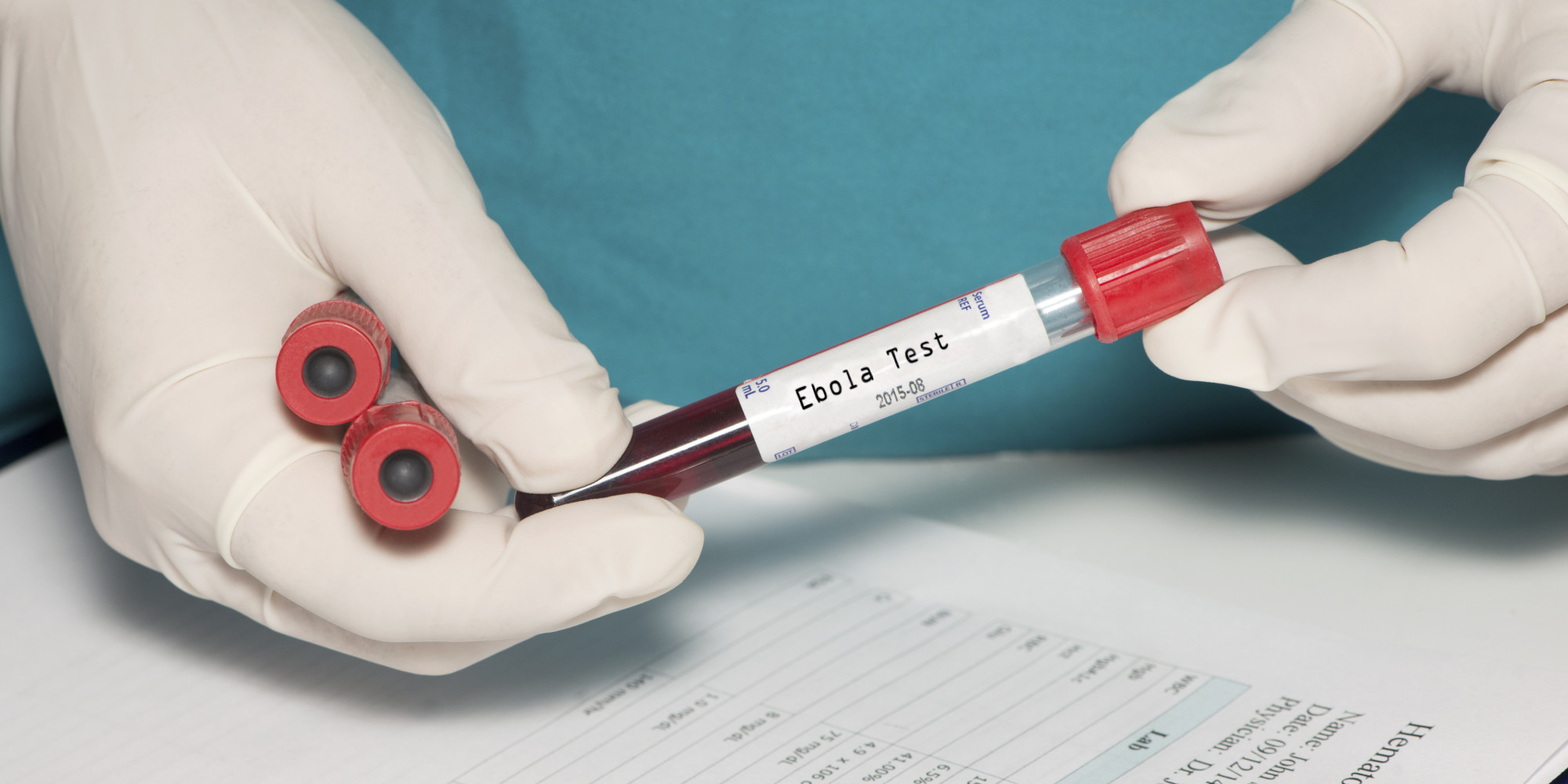
The Nigeria Centre for Disease Control and Prevention (NCDC) reports that two suspected cases of viral hemorrhagic fever in Abuja tested negative for Ebola and Marburg viruses.
The most recent instance, according to a statement released by the agency on Friday, involved a traveler who arrived at a hospital as soon as he felt ill after returning to Nigeria from Kigali, Rwanda.
According to the NCDC, his choice to report early, along with the attentiveness of the hospital staff and attending physician, guaranteed that the public health system was activated as soon as possible and that the public’s danger was kept to a minimum.
“This responsible action is highly commendable and a good practice all Nigerians are urged to emulate; when you feel unwell, especially after travel, seek care early. Doing so protects you, your family, and your community,” the statement reads.
The FCT epidemiology and fast response teams, the National Reference Laboratory, the Port Health Services, and the employees of the Nisa Premier Hospital in Abuja were also complimented by the NCDC for their well-coordinated response.
According to the organisation, samples are presently being tested for Dengue fever and Lassa fever, among other viral hemorrhagic fevers.
“We are currently collating and analysing all the relevant data and information to improve our response,” the statement reads.
“As part of its mandate to safeguard the health of the nation, the NCDC has already conducted a Dynamic Risk Assessment following recent reports of Ebola viral disease in other countries, and anticipatory measures are being implemented nationwide.
“These recent events are a reminder that the vigilance of one clinician, the responsibility of one patient, and the cooperation of all relevant stakeholders can protect millions.
“The NCDC remains fully committed to protecting the health of all Nigerians. With continued vigilance, collaboration across public and private sectors, and the support of the general public, we can prevent, detect, and respond effectively to any public-health threat.”