

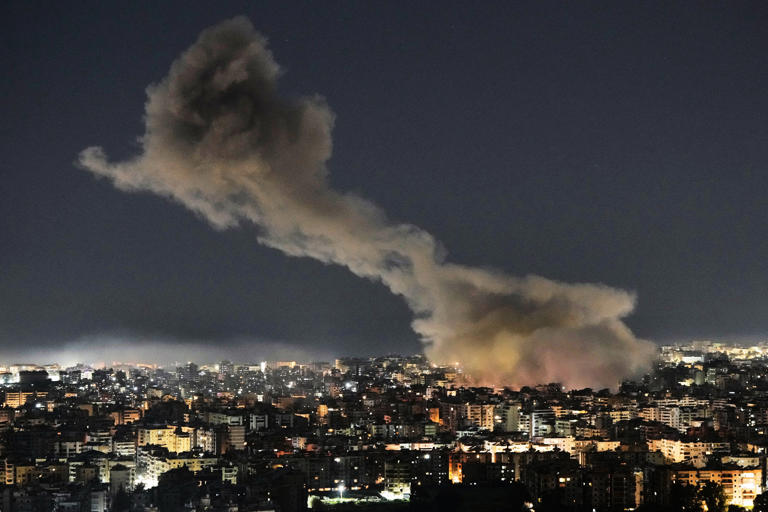
Turkey, Egypt, and Pakistan have assumed leading roles in initiatives to mediate a peace agreement between the United States and Iran as the conflict approaches its fourth week.
According to The Washington Post, citing US and foreign officials, Middle Eastern countries are acting as intermediaries in discussions between Steve Witkoff, the US special envoy, and Abbas Araghchi, Iran’s foreign affairs minister.
According to the report, the countries engaged in numerous phone calls from the weekend through Tuesday, urging both sides to end the war.
Oman is also believed to be involved in the talks. The country had previously led nuclear negotiations between Iran and the United States before the war began while discussions were still ongoing.
According to a CNN report, Pakistan has extended an offer to serve as host for potential negotiations, with sources indicating a proposal exists for Islamabad to host a meeting between the United States and Iran later this week that could be attended by Vice President JD Vance.
CNN cited two regional sources who reported that the United States had conveyed a 15-point list of expectations for Iran through Pakistan, though it remained uncertain whether Tehran had accepted any of the conditions.
Diplomatic efforts were reported to have intensified following President Donald Trump’s issuance of a 48-hour ultimatum to Iran, demanding the reopening of the Strait of Hormuz or threatening the destruction of the country’s energy infrastructure.
Iran responded by threatening to “completely close” the waterway and destroy companies with connections to the United States.
Trump eventually postponed the strikes, claiming “productive” discussions with Iran, a claim Tehran disputes.
Meanwhile, Turkish President Recep Tayyip Erdogan said on Tuesday that his nation will continue to use all of its resources to bring peace to the US-Israel assault on Iran, which he said has harmed the Turkish economy and the rest of the globe.
Erdogan also stated that Turkey is exploring various steps to defend its economy from the conflict, which has enveloped the area and driven oil prices skyrocketing.