


Every week, we throw 10 quick questions at someone whose mind we find fascinating — the thinkers, founders, innovators, policymakers, builders, and culture-shapers quietly changing how we see the world and inspiring us to do things not just differently, but better-differently. First thoughts only.
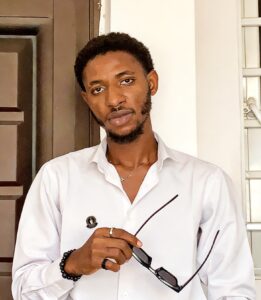
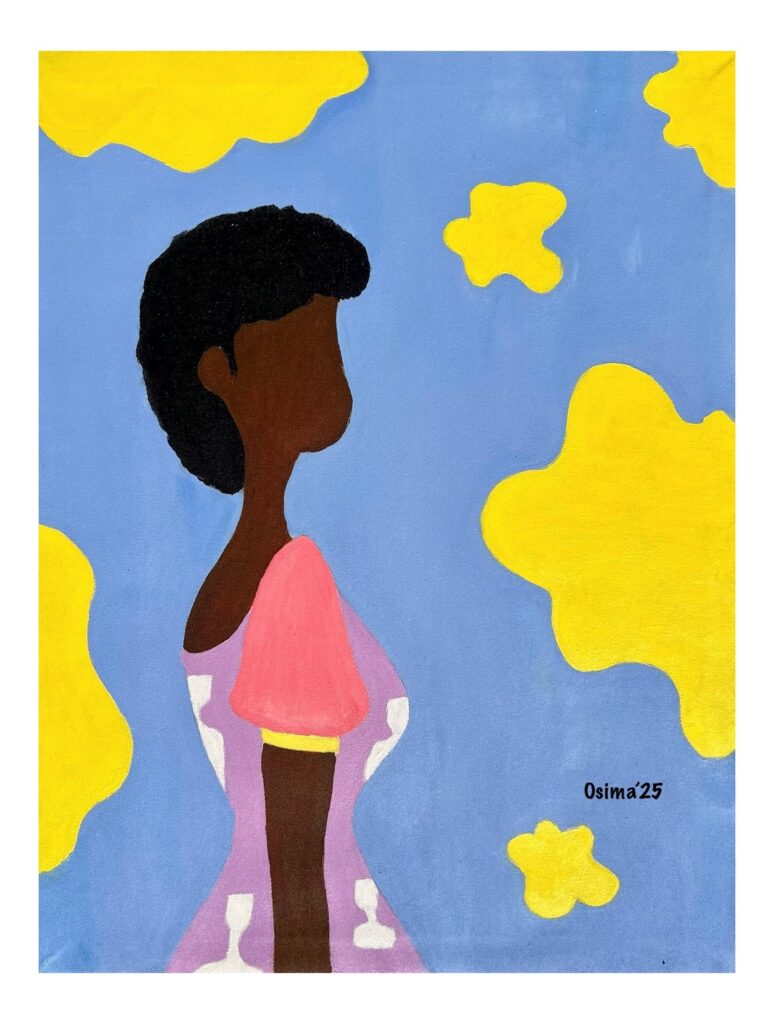
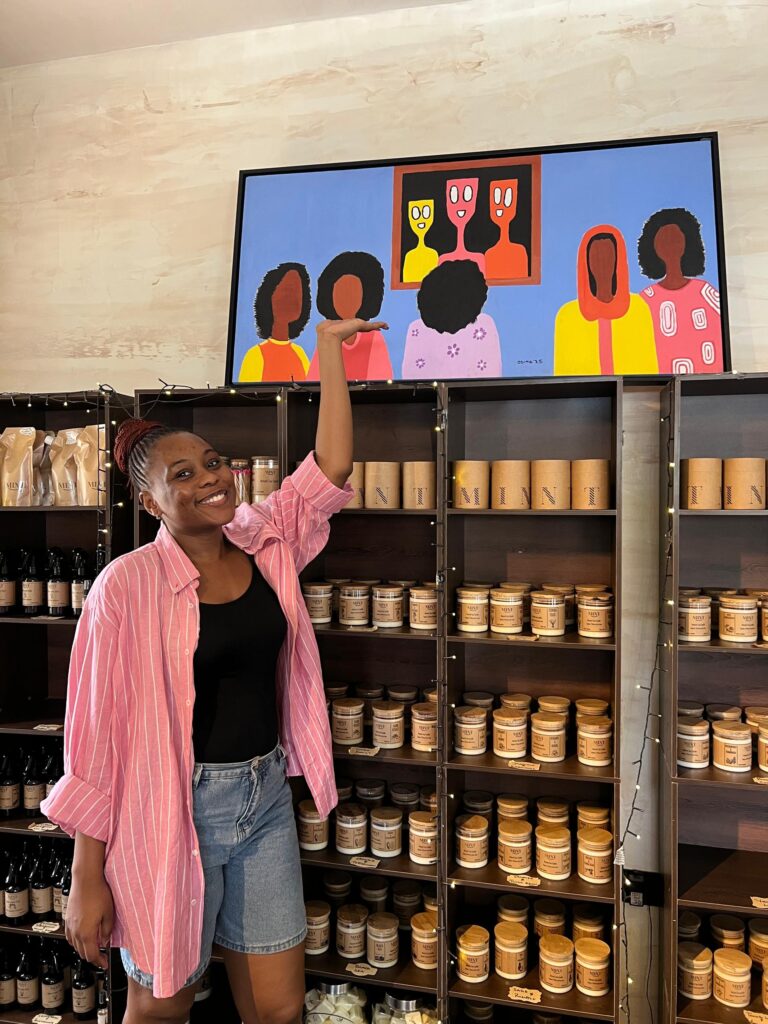
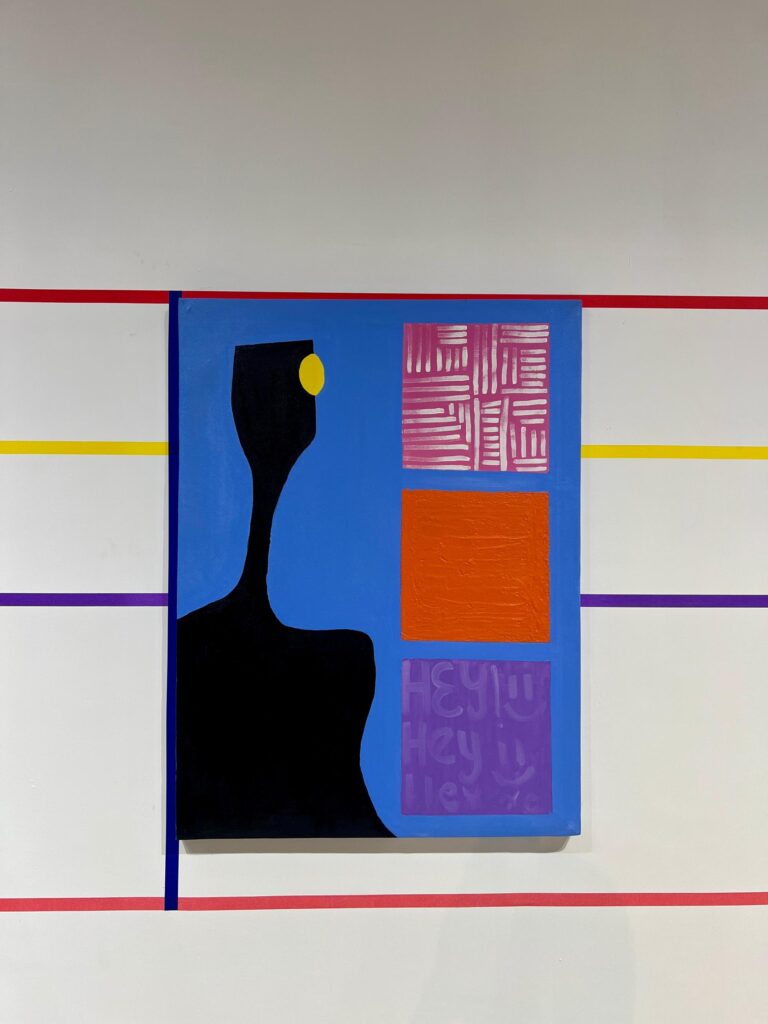
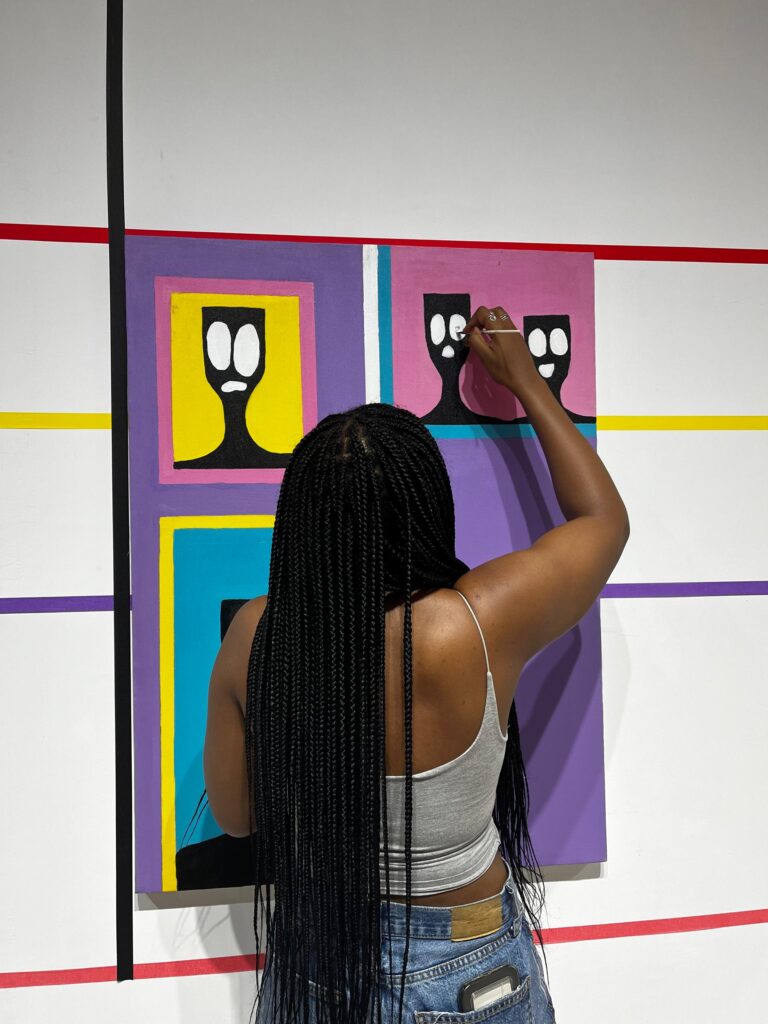
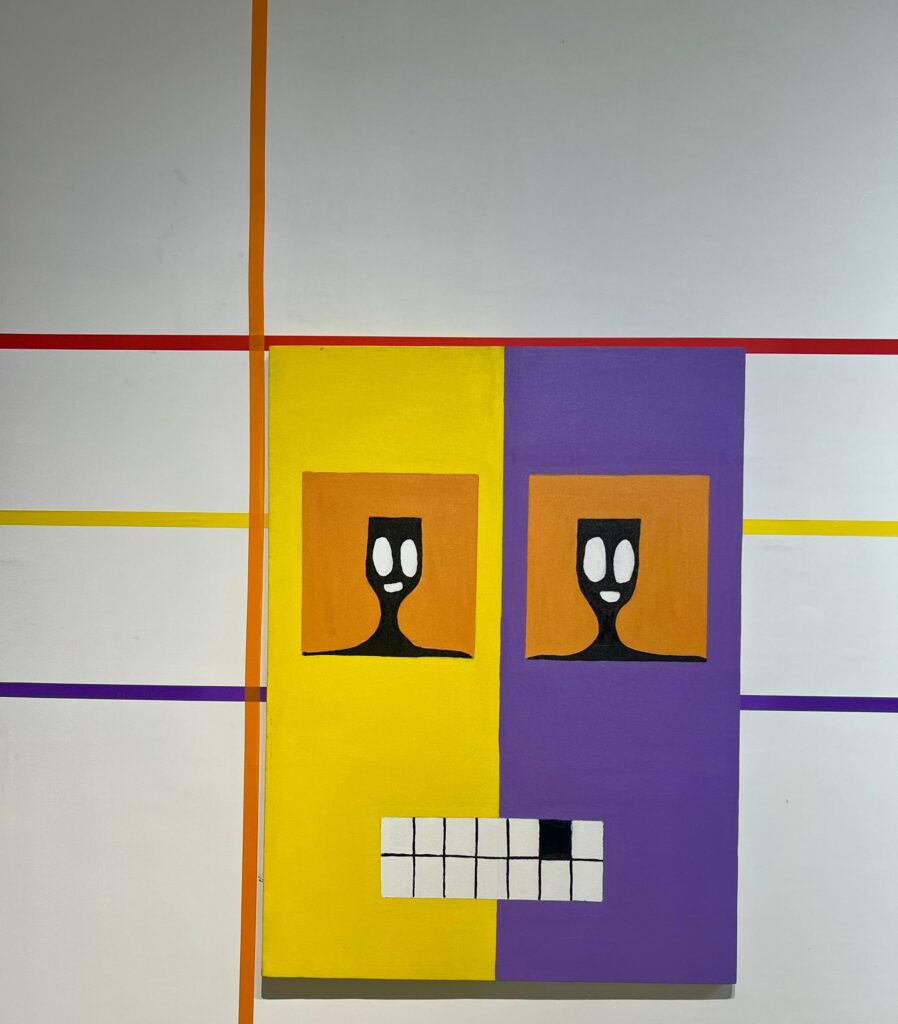
This week’s fascinating personality is Mary Lawani (Osima). Osima is a Nigerian artist and designer who breathes life into her friends on canvas, creating portraits that are as emotional as they are personal. Inspired by the abstract and influenced by artists like Basquiat, Osima works intuitively, letting feeling guide her and trusting that honest art will always find its audience.
1. Who was the first artist that made you think, “this is what I want to do?”
I don’t think I’ve ever had this thought. I’ve always enjoyed consuming art in all its forms, but the older I got, the more I was exposed to it. I always gravitated towards the abstract, and that was really it for me. But if I could think of an artist who has ever made me think this, it would be Basquiat.
2. What’s something completely outside of art (a sound, a feeling, a place) that consistently finds its way into your work?
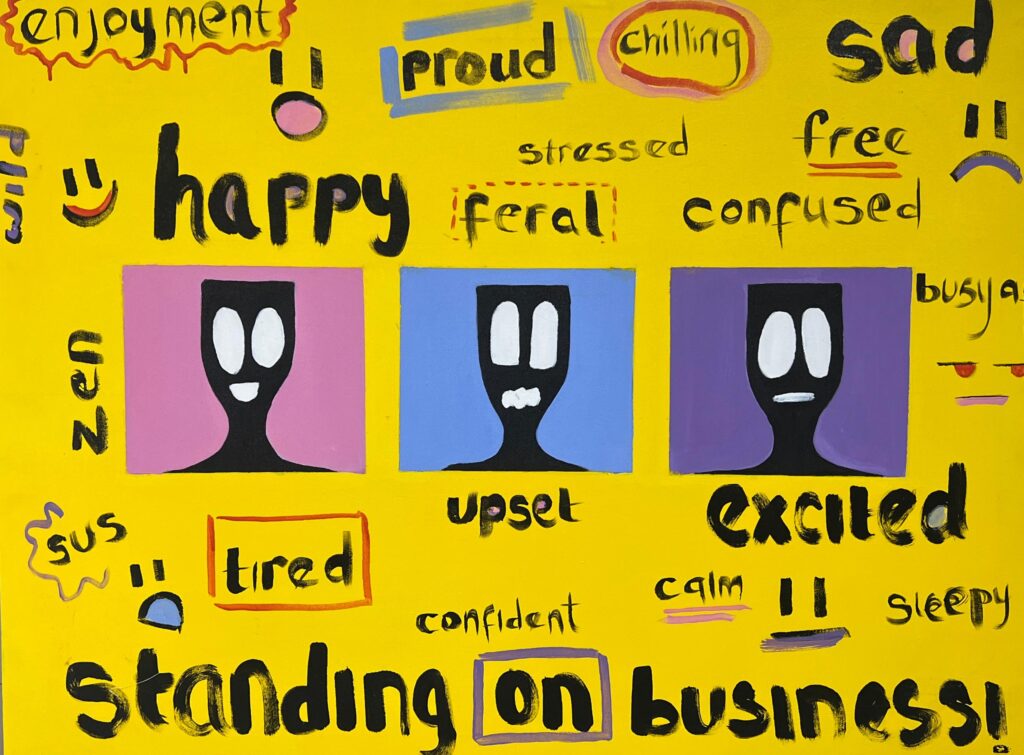
Emotions — though it mostly depends on what I’m feeling in the moment.
3. Your bio says you “bring your friends to life.” What does it feel like the moment a portrait finally looks like the person you were trying to capture?
My friends are really the characters I bring to life with each piece. I always know who or what a character is going to portray before I start painting. I have a love-hate relationship with my pieces, but when I arrive at a point of completion, it feels so satisfying. Words can’t explain it, especially on days when I surpass my initial sketch.
4. Is there a medium or technique you haven’t tried yet that quietly intimidates you?
Medium and technique, yes for sure! I’ve always wanted to know what it would be like to use oil paint or lino cuts and even explore mixed media. Nothing intimidates me — I’m just not ready to get into it yet, but I’m hoping to explore all of that this year and in the years to come.
5. What’s the worst creative mistake you’ve made, and what did it teach you?
I don’t think I’ve made any mistakes yet, and I’m hoping I don’t — we’ll see. But one thing I’ve learned over time is to never doubt yourself. When there’s criticism or feedback, take what you need and, for the love of God, don’t ruminate on the bad. I find that it does something to your mental over time. Thankfully, I have people in my corner who keep me level-headed.
6. What’s something about being a working artist in Nigeria that nobody tells you before you start?
You must take yourself and your art seriously! I was privileged enough to have very important conversations that prepared and shaped me before I even started calling myself an artist — and for that, I am truly grateful. Realistically, I was better prepared when I fully committed to art.
7. How do you handle the gap between the art you make and what people actually want to buy?
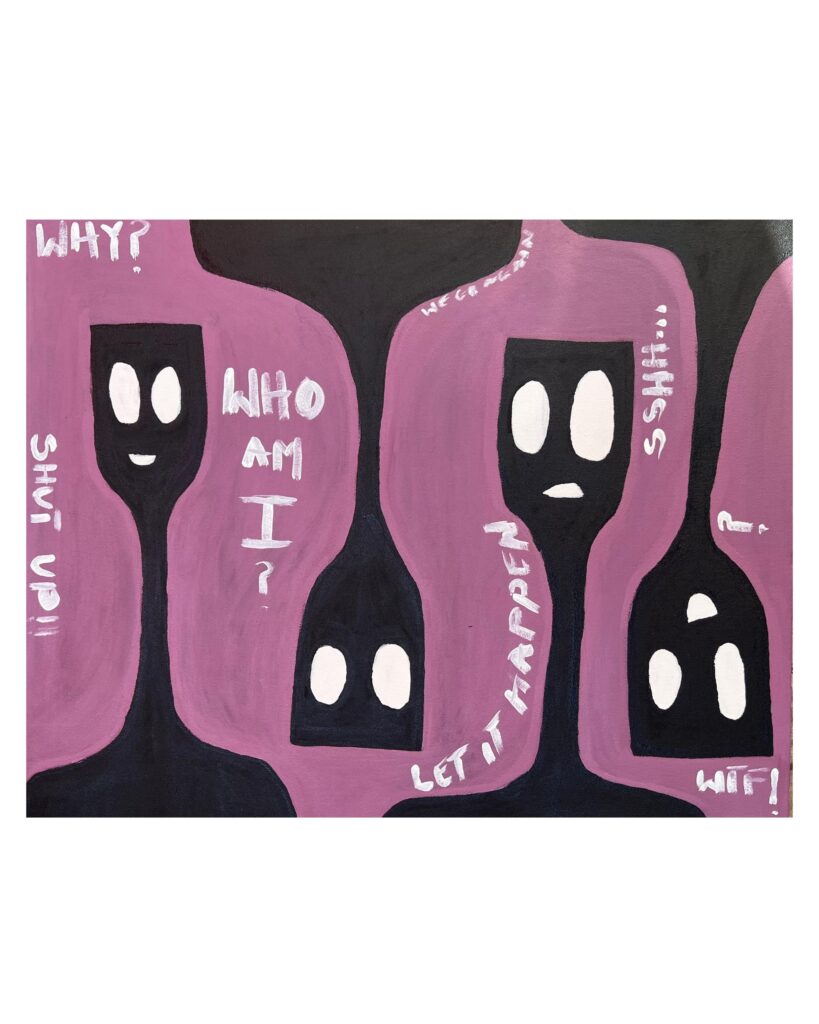
I don’t, to be honest. I make art I like, and I believe it will find its people — and thankfully, every now and then, it does. Something I learned early was to create art for yourself first, because once you start thinking about what people want, you can easily lose the plot. Realistically, you can never really know.
8. Social media has made visibility easier but also noisier — has it helped or complicated your relationship with your own work?
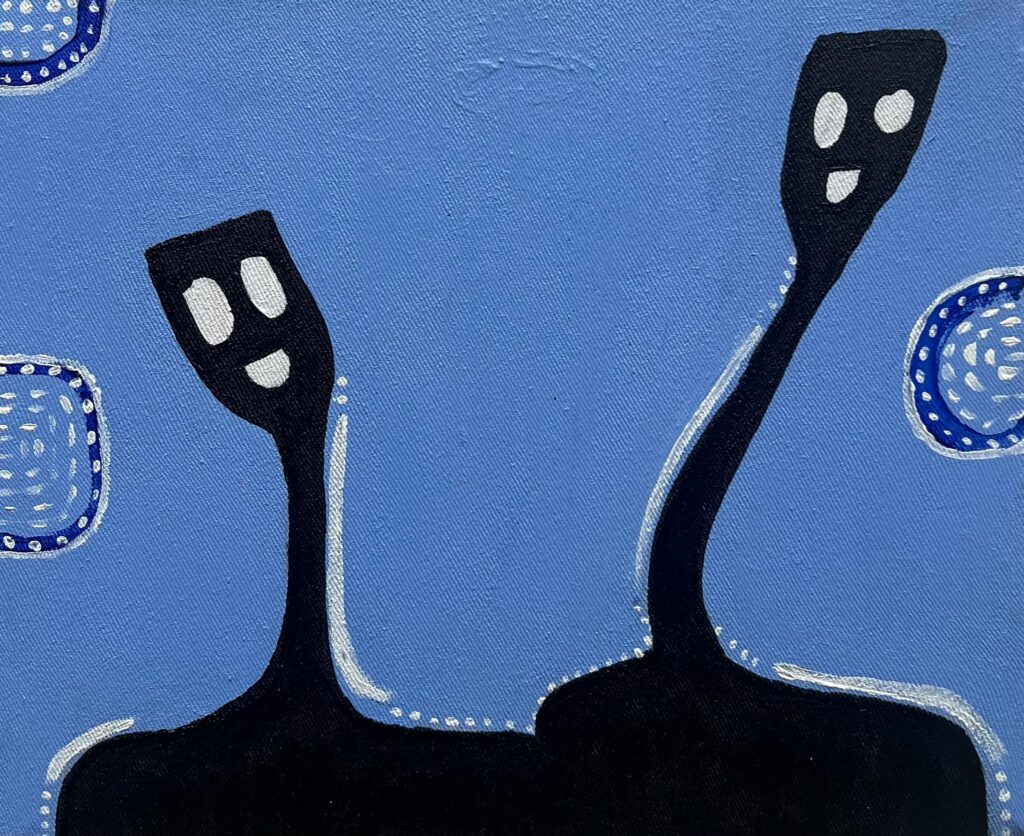
Easier but noisier, for sure! I’d say it’s been more helpful than complicated — in all honesty, I don’t even know what complicated would look like. The hardest part for me is keeping up with making posts and sharing content. My relationship with social media is very distant.
9. Is there a piece you’ve made that you felt you weren’t ready to share — and did you share it anyway?
Oh yes, for sure! It’s not that I wasn’t ready to share — I just didn’t want to, because it was so personal and a gift to someone I love dearly. It felt intimate, especially because of what it represented in that moment, and I thought to myself: the internet does not need to see this.
10. Five years from now, what does success look like for Mary Lawani the artist?
Still creating from a place of love, curiosity, and staying true to my art. Having more collectors, exhibiting around the world, and translating my art across different mediums and techniques would be nice too. But honestly, not losing myself to the noise and staying true to my why — that will be real success for me.
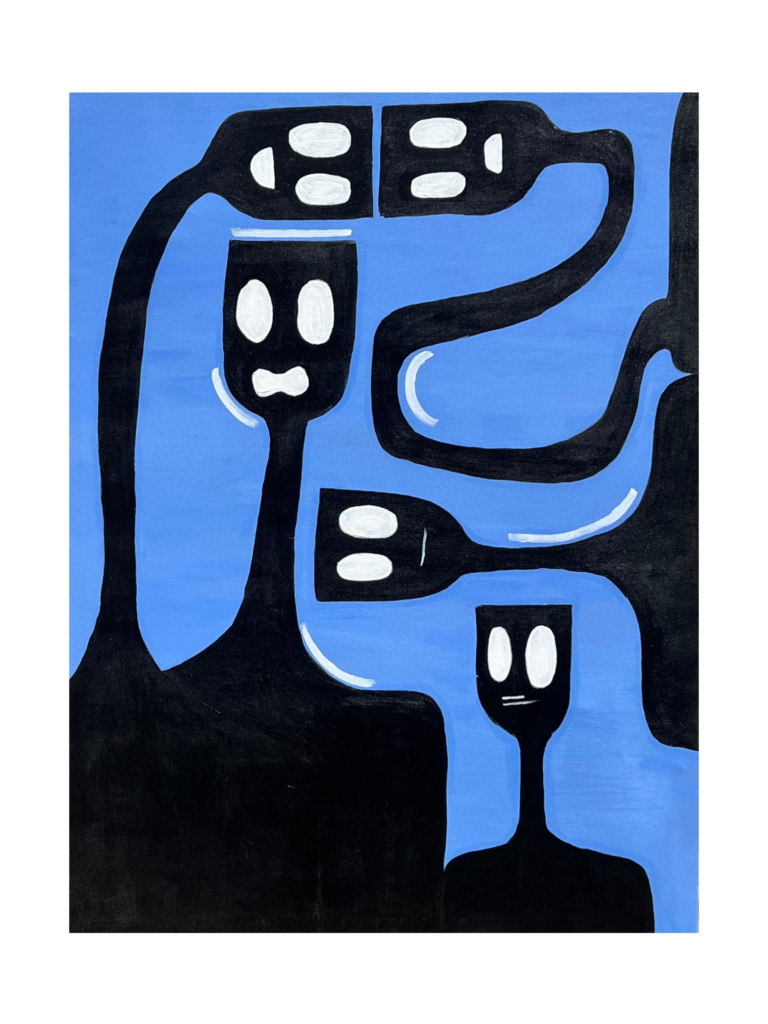
Check out more of her pieces:
Connect with Mary Lawani (Osima) on IG – @artbyosima