
When was the last time you thought about your local government? Not the president, not the governor, but the council running your town or ward. Many Nigerians think local councils are small and powerless. The truth is they influence your daily life far more than you realize. From the roads you drive on to the schools your children attend, local governments shape your world in tangible ways you may not notice.
How Nigerian Local Governments Work
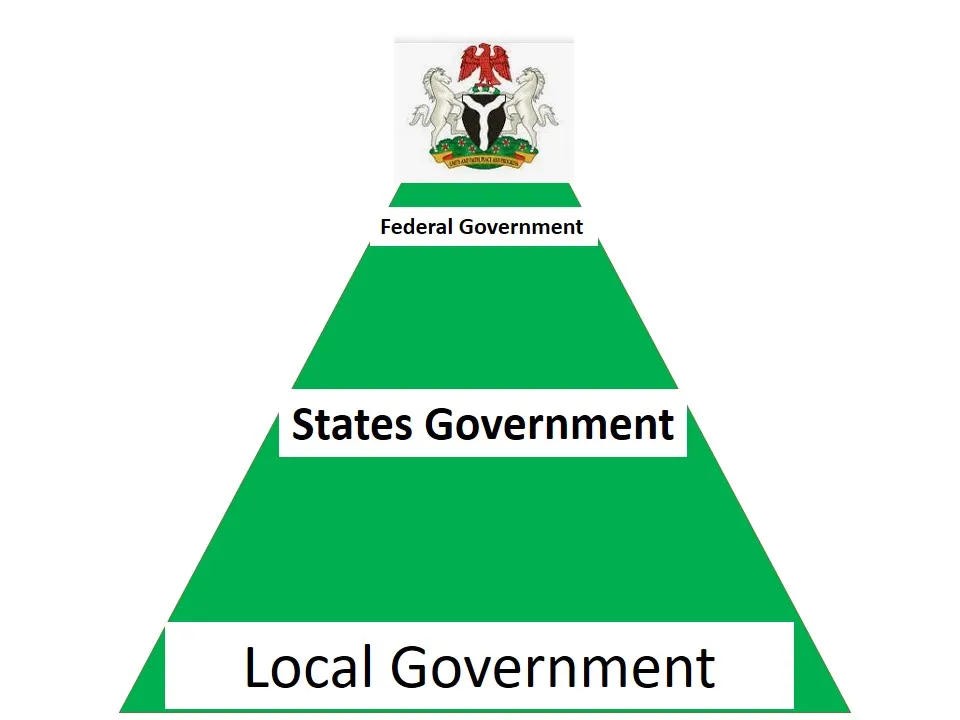
Nigeria has 774 local government areas (LGAs) across 36 states and the Federal Capital Territory. Each LGA is managed by an elected chairman and councillors representing wards. Local governments are meant to bring governance closest to the people. The Constitution and various laws give them authority over areas like primary education, local health services, sanitation, markets, roads, and local taxes.
Despite this authority, many Nigerians underestimate what councils can do.
What Local Governments Really Control
- Roads and Sanitation
Walk around your street in Abuja, Ibadan, Kano, or Onitsha. Notice potholes, blocked drains, or whether refuse collection is regular. These things are under your local government’s watch. Councils decide which streets get fixed and when waste collectors come through. They are supposed to keep drainages clear to prevent flooding and make sure garbage does not pile up in your community.
- Schools and Healthcare
Local governments manage primary schools and early childhood centres. They handle classroom furniture, school buildings, and often collaborate with state education boards to hire and pay teachers. If you have seen crowded classrooms or leaking roofs in community schools, that is usually tied to local council action or inaction.
Health is another big area. Local councils run primary health care centres, organize immunization campaigns for children, and support maternal and child health services. These clinics are where many Nigerians first seek care for common illnesses.
- Markets and Local Business
Your local government also manages markets, shops, motor parks and some local taxes. Want to open a shop? You will need a trading license from your LGA. Markets function under rules set by councils. These decisions can make running a business easier or harder for ordinary Nigerians.
They also issue licenses for businesses, transportation operations, and certification of births, deaths, and marriages. These may feel small, but they matter deeply in everyday life.
- Where Their Money Comes From
Many Nigerians assume local governments have no money. That is not accurate. Local governments receive funding from three main sources:
- Federal Allocations
Every month, money from oil revenue, VAT, customs duties and other national income is shared through the Federation Account Allocation Committee. About 20 percent of the total federal allocation goes to local governments collectively. This is shared among all 774 LGAs using a formula that considers population and equality of distribution. Between 2022 and mid-2024, local governments received trillions of naira in allocations nationwide. Monthly inflows often run into hundreds of billions collectively. - State Government Support
Some states provide additional grants or project support to their councils. This varies widely depending on the state. - Internally Generated Revenue
Local governments also raise money through market levies, motor park fees, business permits, tenement rates and other small local taxes.
In 2024, the Supreme Court ruled that local governments should receive their federal allocations directly, instead of through state governments. The goal is to strengthen financial autonomy and reduce interference.
So when people say local governments have no money, that is not entirely true. The bigger question is how effectively those funds are managed.
Common Misconceptions
Many Nigerians think local governments are powerless or that voting in local elections does not matter. This is a misconception. While councils may not make national laws, they control essential services that directly impact you. Ignoring them is like ignoring the foundation of a building while admiring its roof.
In fact, there are ongoing calls from the National Assembly for local governments to have greater representation in how federal funds are shared. This highlights the importance of strengthening local governance across the country.
How You Can Engage With Your Local Government
Here are steps Nigerians can take to make local governments work for them:
- Attend council meetings and public forums to hear what is planned for your community.
- Monitor local projects. Ask why certain roads are fixed while others are ignored.
- Visit your council office when you need services and demand transparency on budgets.
- Vote in local elections. Turnout at these elections is often low, but your vote has real value in selecting leaders who will deliver services.
Local governments may feel small because they operate close to the ground. They do not make headlines like national leadership. But when a school gets built, a market is organized, a health clinic offers vaccines, or street lights finally work, that is the work of your local council.
If you live in Nigeria and care about clean streets, better schools, functional clinics, and thriving businesses, then it matters who runs your local government. The question is not whether they matter. The question is whether you are paying attention.