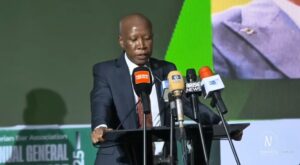



Since President Bola Ahmed Tinubu assumed office on 29 May 2023, his administration has operated in a climate defined by ambitious economic reforms, intensifying security challenges, and heightened public scrutiny. These pressures have shaped both the performance expectations placed on ministers and the political consequences of underperformance or controversy. While the President has executed reshuffles and dismissals, only a small number of ministers have formally resigned. Yet, each departure carries political weight and offers insight into the administration’s internal dynamics and evolving public perceptions.
The Ministers Who Resigned
1. Simon Bako Lalong – Minister of Labour & Employment
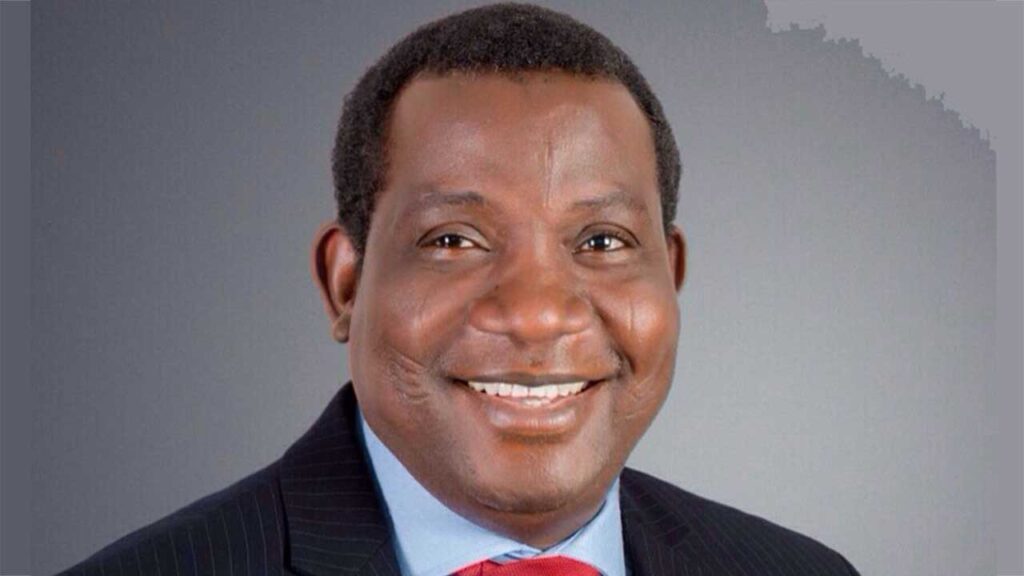
Resigned: December 2023
Reason: To assume his elected seat in the Senate.
Lalong became the first minister to exit the administration after the Court of Appeal affirmed him as the Senator representing Plateau South. His resignation was largely procedural and rooted in democratic transition. Unlike others, it carried no controversy. Instead, it illustrated how political officeholders often pivot between executive and legislative roles depending on electoral outcomes.
2. Nentawe Goshwe Yilwatda – Minister of Humanitarian Affairs & Poverty Reduction

Departed: 24 July 2025
Reason: Elected National Chairman of the ruling All Progressives Congress (APC).
Yilwatda stepped down from his cabinet role after winning the APC chairmanship. His departure was not under a cloud of scandal or crisis, but reflected internal party realignment ahead of future political contests. The exit highlights how ministerial posts can serve dual purposes: governance portfolios and strategic stepping stones in party politics. It underscores the dynamic interplay between government service and party leadership, especially as the nation moves toward the 2027 general elections.
3. Dr. Uche Geoffrey Nnaji – Minister of Innovation, Science & Technology
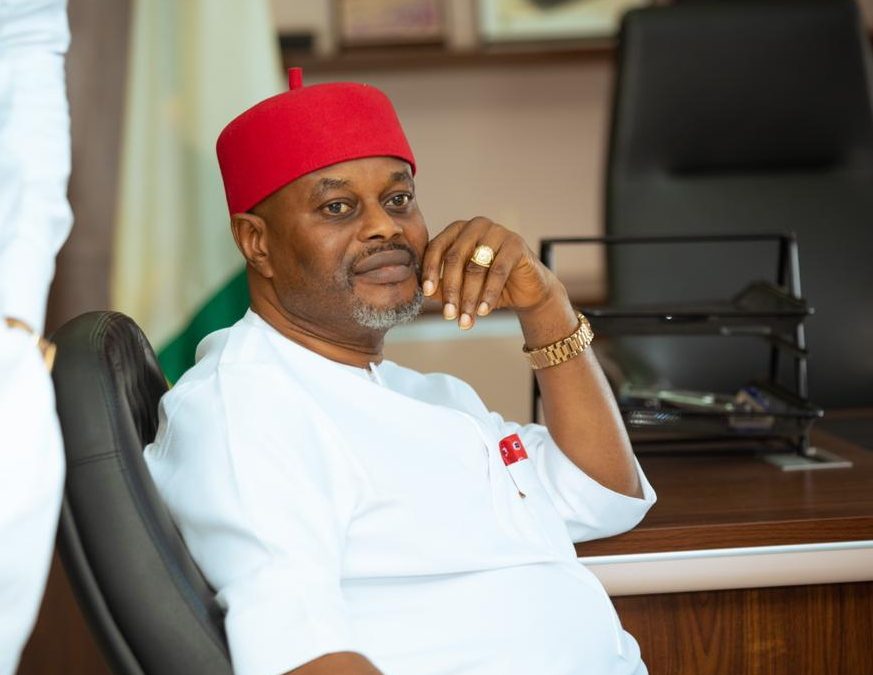
Resigned: October 2025
Reason: Certificate-related scandal and public scrutiny.
Nnaji stepped down after intense media and legal pressure arising from allegations that documents he submitted during his Senate screening, particularly academic and NYSC credentials were inconsistent or falsified. The public backlash was swift, with critics pointing to broader systemic failures in Nigeria’s vetting processes.
His resignation exposed weaknesses in ministerial screening and raised questions about institutional oversight. It also added to growing public frustration with credential controversies, a recurring theme in Nigeria’s political landscape.
4. Mohammed Badaru Abubakar – Minister of Defence

Resigned: 1 December 2025
Reason: Officially “health grounds,” amid heightened national security crises.
Badaru’s exit came at one of the most critical moments of the administration’s tenure. With mass kidnappings, banditry and insurgent attacks escalating nationwide and a national security emergency, Badaru’s resignation triggered widespread speculation. Although the presidency cited health reasons, policy analysts and political observers noted the timing: the defence portfolio was under immense pressure, and public confidence in the government’s ability to contain insecurity was fragile.
His departure forced the President to urgently nominate a replacement to stabilise defence leadership at a time of heightened national anxiety.
The Circumstances: Routine, Scandal, and Crisis
The four resignations reflect distinct types of political exits:
- Routine transition: Lalong’s resignation was a standard political movement from the executive to the legislature.
- Party-driven political repositioning: Yilwatda’s departure followed his emergence as APC National Chairman, illustrating how ministers may leave cabinet roles to consolidate influence within the ruling party ahead of 2027.
- Scandal and institutional failure: Nnaji’s case spotlighted the recurring problem of inadequate background checks and political accountability.
- Crisis-timed exit: Badaru’s departure, though officially health-related occurred under a cloud of pressure, illustrating how escalating insecurity can reshape political appointments.
Together, they show that resignations under Tinubu have not followed a single pattern; rather, they reflect the multiple pressures that confront a reform-driven but politically sensitive administration.
Governance Implications
1. Policy Continuity
Resignations from strategic ministries especially defence and science/technology risk disrupting ongoing programmes. Defence transitions are particularly sensitive, as leadership vacuums can affect command structures, operational planning, and inter-agency coordination. While rapid nominations limit long-term disruption, short-term delays in decision-making are almost inevitable.
2. Cabinet Stability
Tinubu’s readiness to accept resignations and execute reshuffles reinforces an image of an actively managed cabinet. However, frequent turnover, especially in key ministries, can create perceptions of instability. The administration must balance decisive action with continuity to maintain governance credibility.
3. Public Confidence
Resignations linked to scandals undermine public trust and fuel opposition narratives about weak oversight and appointments based on political patronage rather than merit. Conversely, swift exits can also be interpreted as accountability, an area where previous administrations were often criticised.
Political Implications Heading Toward 2027
1. Impact on the President’s Reform Agenda
Ministerial exits can stall reforms, particularly in sectors where policy momentum depends on strong technical leadership. Science and innovation, for instance, plays a critical role in Nigeria’s industrial and digital ambitions; leadership instability could slow progress.
2. Intra-party Calculations
Lalong’s and Yilwatda’s departure highlighted how ministers with political ambitions may reposition ahead of elections. Similar dynamics may emerge as 2027 approaches, with ministers weighing re-election prospects, party influence, and regional power blocs.
3. Opposition Leverage
Each scandal-related or crisis-timed resignation offers political ammunition to the opposition. Nnaji’s case feeds into narratives around integrity, while Badaru’s exit intersects with concerns over national security, an area where the administration is under intense pressure.
How Tinubu’s Resignations Compare to Past Administrations
In historical context, Tinubu’s administration has recorded relatively few formal resignations but has seen a mix of reshuffles, sackings, and forced exits, similar to patterns under Presidents Obasanjo, Yar’Adua, Jonathan and Buhari.
Past administrations also grappled with credential scandals and performance-related exits, indicating systemic governance issues that transcend political eras. However, what distinguishes the Tinubu era is the higher level of public scrutiny driven by social media, investigative journalism, and a more politically assertive citizenry.
Ministerial resignations in the Tinubu administration, though limited in number offer a window into the pressures shaping governance today: electoral shifts, accountability demands, and the unrelenting pressure of national security.
As Nigeria heads toward the 2027 election cycle, cabinet stability, transparent vetting processes, and strong leadership in sensitive ministries will be pivotal. How the administration manages future exits and the competence of incoming replacements will play a significant role in shaping public confidence, policy continuity, and Tinubu’s political momentum.